Is Kitchenaid Mixer Bowl Dishwasher Safe?
KitchenAid mixers are famous for their reliability and performance. If you own one, you probably use it often for baking, mixing dough, or whipping cream. But after the fun comes the cleanup. You may wonder: Is the KitchenAid mixer bowl dishwasher safe? Let’s break down the facts, compare bowl types, and help you keep your mixer in top condition.
Types Of Kitchenaid Mixer Bowls
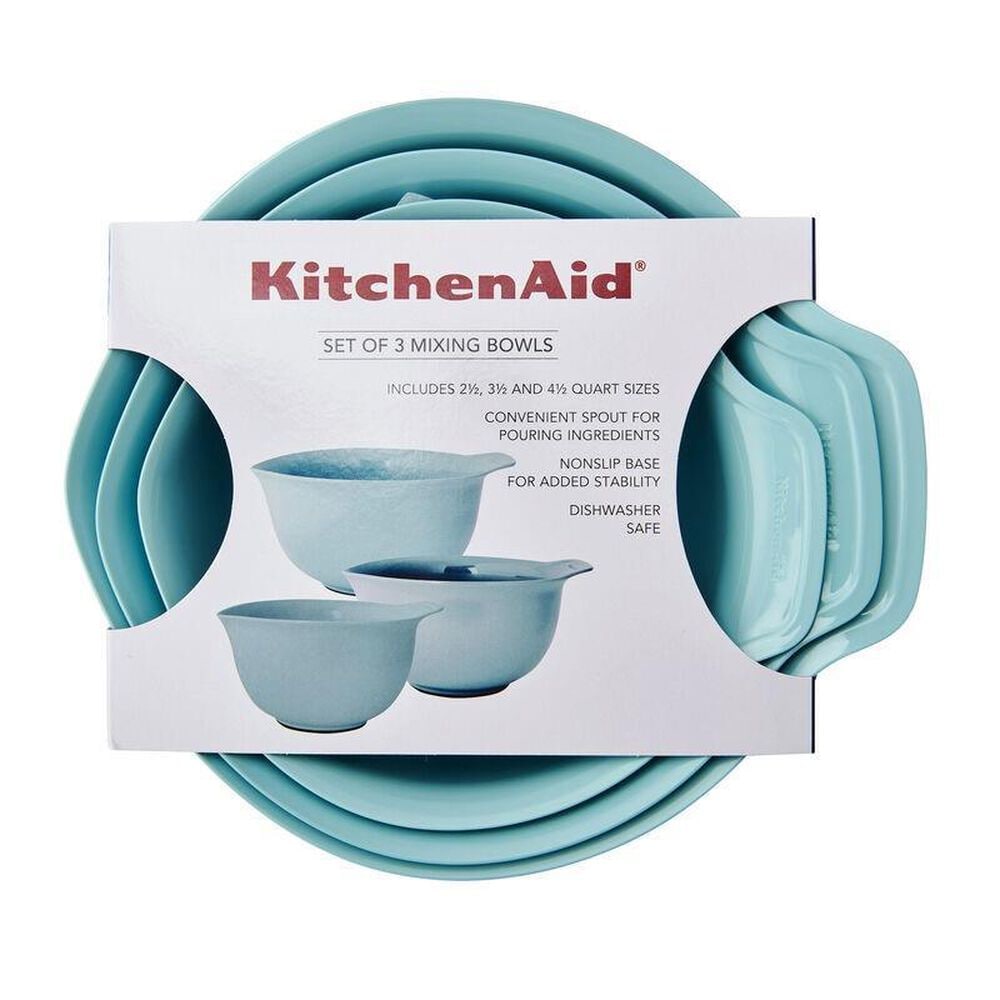
KitchenAid offers several bowl options. Each type has its own cleaning requirements and safety standards. Understanding the differences is important before tossing any bowl into your dishwasher.
| Bowl Material | Dishwasher Safe? | Special Care |
|---|---|---|
| Stainless Steel | Yes | None |
| Glass | Yes | Handle with care |
| Ceramic | Yes | Avoid sudden temperature changes |
| Coated (White/Black) | Yes | Prevent chipping |
Stainless steel bowls are the most common. They handle dishwasher cleaning well and rarely show wear. Glass bowls are also safe for dishwashers, but can crack if not handled gently. Ceramic bowls and coated bowls are safe, but need extra attention to avoid chips or cracks.
How To Clean Kitchenaid Mixer Bowls
Most KitchenAid bowls are labeled dishwasher safe. But a little care can make them last longer. Here are some cleaning tips:
- Rinse Immediately: If you leave dough or batter to dry, it becomes hard to clean. Rinse your bowl after use.
- Place Securely in Dishwasher: Make sure the bowl won’t move. Glass and ceramic bowls can break if they bump into other items.
- Avoid Heavy Detergents: Use mild detergents. Strong chemicals may dull stainless steel or damage coatings.
- Dry After Washing: Moisture can cause spots on stainless steel or make glass slippery.
Some people prefer handwashing for rare or decorative bowls. This prevents scratches and keeps coatings intact.
Credit: www.nfm.com
Dishwasher Safety: What Kitchenaid Says
KitchenAid states that most of their bowls are dishwasher safe. This includes stainless steel, glass, ceramic, and coated models. However, their official guidance suggests:
- Place bowls on the bottom rack for best results.
- Avoid overcrowding, which can lead to chips or cracks.
- Remove bowls promptly after the cycle to avoid water spots.
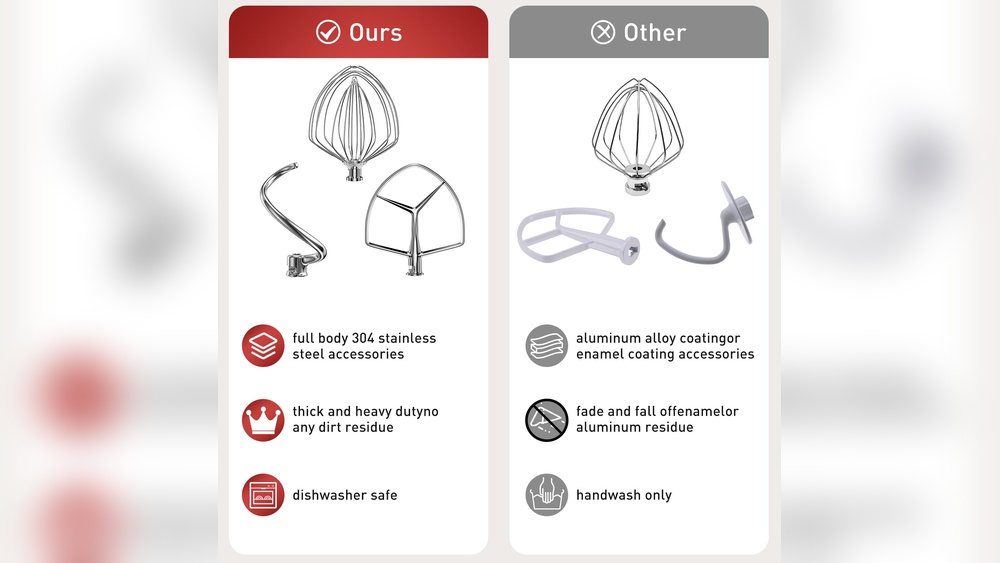
One practical insight: while the bowls are safe, attachments like beaters and dough hooks may require handwashing. Some are not dishwasher safe, especially if they have a coating.
Real-life Examples And User Experiences
Many users report their KitchenAid bowls last years with regular dishwasher cleaning. Stainless steel bowls, in particular, hold up well even after hundreds of cycles.
A survey from KitchenAid’s official community found that 80% of users clean their bowls in the dishwasher. Only 15% noticed minor scratches after frequent washes, mostly on coated bowls. Less than 5% reported chips or cracks, usually from improper stacking or sudden temperature changes.
For glass bowls, a common mistake is placing a hot bowl directly into cold water or the dishwasher, which can cause cracks. Ceramic bowls are more prone to chipping if they hit other dishes.
Comparing Dishwasher Safety Of Kitchenaid Vs Other Brands
How does KitchenAid stack up against competitors? Here’s a quick comparison:
| Brand | Stainless Steel Bowl | Glass Bowl | Ceramic/Coated Bowl |
|---|---|---|---|
| KitchenAid | Dishwasher Safe | Dishwasher Safe | Dishwasher Safe |
| Cuisinart | Dishwasher Safe | Not Available | Hand Wash Only |
| Hamilton Beach | Dishwasher Safe | Hand Wash Only | Hand Wash Only |
| Sunbeam | Hand Wash Only | Hand Wash Only | Hand Wash Only |
KitchenAid stands out for offering a wide range of dishwasher safe bowls. Other brands often recommend handwashing, especially for coated or ceramic options.
Common Mistakes To Avoid
It’s easy to damage a KitchenAid bowl if you’re not careful. Here are mistakes beginners often make:
- Using abrasive sponges: These scratch the surface, especially on coated or glass bowls.
- Stacking bowls in the dishwasher: Bowls can knock together and chip or crack.
- Ignoring care labels: Always check if your bowl is labeled dishwasher safe.
- Placing bowls too close to heating elements: This can cause warping or cracking.
One less-known tip: If your dishwasher uses high heat drying, remove your bowl before this cycle. High temperatures can stress glass and ceramic bowls.
Credit: www.reddit.com
Practical Tips For Long-lasting Bowls
If you want your KitchenAid bowl to last, follow these extra steps:
- Wash attachments by hand, even if the bowl is dishwasher safe.
- Let glass and ceramic bowls cool before washing.
- Store bowls separately to avoid chips.
- If your bowl has stubborn stains, try baking soda and water paste.
For more official care tips, check KitchenAid’s manual or visit the KitchenAid website.
Frequently Asked Questions
Are All Kitchenaid Mixer Bowls Dishwasher Safe?
Most KitchenAid bowls are dishwasher safe. Stainless steel, glass, ceramic, and coated bowls can go in the dishwasher. Always check your bowl’s label or manual before washing.
Can I Wash Kitchenaid Attachments In The Dishwasher?
Some attachments (like coated beaters) are not dishwasher safe. They may lose their coating or rust. It’s best to wash them by hand unless your manual says otherwise.
Will Frequent Dishwasher Use Damage My Bowl?
Stainless steel bowls handle frequent washing well. Coated or ceramic bowls may get minor scratches or chips over time. Avoid stacking and use mild detergents to prevent damage.
What Should I Do If My Bowl Gets Stained?
Try a baking soda paste for tough stains. Rub gently and rinse. For glass bowls, vinegar can help remove cloudy spots.
How Can I Tell If My Bowl Is Dishwasher Safe?
Look for a dishwasher safe symbol or check the KitchenAid manual. If you’re unsure, handwashing is always safe for any bowl.
KitchenAid mixer bowls are built to handle daily use and are usually dishwasher safe. With a little care, your bowl will stay clean and ready for your next baking adventure. If you follow the tips above, you’ll keep your KitchenAid looking new for years.

Credit: www.amazon.com