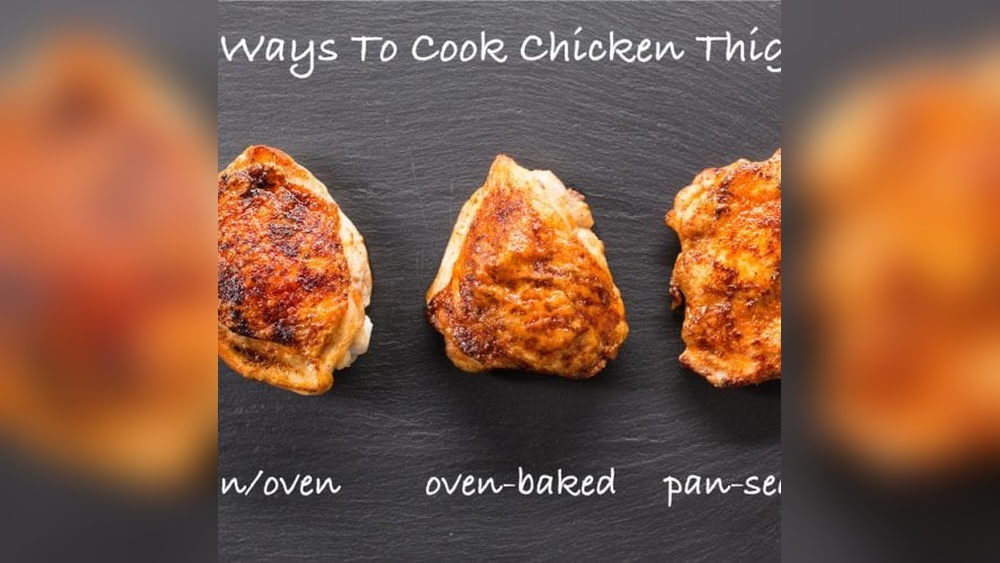
Cooking chicken thighs can be both simple and a bit tricky. If you cook them for too long, they become dry. Too short, and they might be unsafe to eat. Many home cooks find themselves asking, “How long do I cook chicken thighs for?
” The answer isn’t as straightforward as you might hope, but with the right information, you can make perfect chicken thighs every time.
Chicken thighs are popular because they stay juicy, have a rich flavor, and are forgiving if you overcook them a little. But different cooking methods, bone-in vs boneless, skin-on vs skinless, and oven temperature all affect the cooking time. If you want reliable results, you need to understand these factors.
In this guide, you’ll learn exactly how long to cook chicken thighs using several methods, what mistakes to avoid, and how to check for doneness with confidence.
Why Chicken Thighs Are Different
Chicken thighs are not the same as chicken breasts. Dark meat has more fat and connective tissue, which means it stays moist and flavorful. This extra fat changes how it cooks. You can cook thighs at higher heat or for longer without them drying out, but you still need to be careful.
A common beginner mistake is to use the same cooking method for thighs and breasts. Thighs need more time to break down the connective tissue, especially bone-in pieces. Another point: bone-in thighs take longer than boneless. Even small details like whether you leave the skin on can change the cooking time by a few minutes.
Chicken Thighs: Bone-in Vs Boneless
The choice between bone-in and boneless chicken thighs matters more than most people realize. Bone acts as an insulator, so bone-in thighs cook slower. If you’re in a hurry, boneless might be better, but bone-in often gives deeper flavor.
Let’s compare cooking times for both types in a standard oven at 400°F (204°C):
| Type | Oven Temp | Time | Notes |
|---|---|---|---|
| Bone-in, skin-on | 400°F (204°C) | 35–45 minutes | Crispy skin, rich flavor |
| Boneless, skinless | 400°F (204°C) | 20–30 minutes | Quicker, leaner |
Cooking Methods: Oven, Stovetop, Grill, And More
How you cook your chicken thighs changes the timing. The method affects heat flow and how the meat cooks. Below, you’ll find guidance for the most popular methods.
Oven-baked Chicken Thighs
Baking is the easiest and most reliable way. It gives you a crisp outside and juicy inside. Preheat your oven to 400°F (204°C) for best results.
- Bone-in, skin-on: 35–45 minutes
- Boneless, skinless: 20–30 minutes
Always place thighs on a baking sheet with space between pieces. For extra crispiness, use a wire rack over the sheet. If you’re baking at a lower temp, add 5–10 minutes. At 350°F (177°C), bone-in thighs take 45–55 minutes.
Stovetop (pan-frying Or Sautéing)
Cooking on the stovetop is fast and gives a nice sear.
- Boneless, skinless: 6–8 minutes per side over medium-high heat
- Bone-in: Not recommended for stovetop only – finish in the oven after searing
If you only use the pan, boneless thighs are best. For bone-in, sear both sides for 4–5 minutes, then transfer to a 400°F oven for 25–30 minutes.
Grilling
The grill adds a smoky flavor and crisp skin.
- Bone-in: 10–12 minutes per side over medium heat (total 20–25 minutes)
- Boneless: 5–7 minutes per side (total 10–14 minutes)
Use indirect heat for bone-in pieces to prevent burning before they cook through.
Air Fryer
Air fryers are fast and make the skin very crispy.
- Bone-in: 22–25 minutes at 400°F (flip halfway)
- Boneless: 16–20 minutes at 400°F (flip halfway)
Don’t overcrowd the basket—air needs to circulate for even cooking.
Slow Cooker
Low and slow gives pull-apart tenderness.
- Bone-in or boneless: 3–4 hours on HIGH, 6–7 hours on LOW
Add liquid (like broth or sauce) so the meat stays moist.
Broiling
Broiling works best for skin-on thighs.
- Bone-in, skin-on: 15–20 minutes, turning once
- Boneless: 10–15 minutes, turning once
Stay close—broilers cook quickly and can burn food if left unattended.
Internal Temperature: The Only Safe Guide
No matter the cooking method, the only way to guarantee safety is to check the internal temperature. The USDA recommends chicken reaches 165°F (74°C) at the thickest part. However, for thighs, many chefs go up to 175–185°F (80–85°C) for best texture. Thighs get more tender above 170°F, as the collagen melts.
Insert a digital meat thermometer into the thickest part, avoiding the bone. If you see pink juices or red meat near the bone, cook for a few more minutes.
Cooking Times By Method: Quick Reference
Here’s a handy comparison of average cooking times for chicken thighs:
| Method | Bone-in | Boneless |
|---|---|---|
| Oven (400°F) | 35–45 min | 20–30 min |
| Stovetop (sear + oven) | 35–40 min | 12–16 min |
| Grill | 20–25 min | 10–14 min |
| Air Fryer (400°F) | 22–25 min | 16–20 min |
| Slow Cooker (HIGH) | 3–4 hrs | 3–4 hrs |
Factors That Affect Cooking Time
Several things can change how long your chicken thighs take to cook:
- Size and thickness: Large thighs need more time. Always check the thickest part.
- Starting temperature: Cold (from fridge) thighs add 3–5 minutes. Let meat sit at room temp for 15–20 minutes before cooking.
- Oven accuracy: Many ovens run hot or cold. Use an oven thermometer to check yours.
- Crowding: If thighs are packed close together, they cook slower.
- Bone and skin: Both slow down cooking but add flavor and moisture.
Common Mistakes To Avoid
Cooking chicken thighs is simple, but many people make these easy-to-fix errors:
- Not checking temperature: Guesswork leads to dry or undercooked meat.
- Crowding the pan: Leaves you with steamed, not crispy, thighs.
- Skipping the rest: Let thighs rest 5 minutes before cutting so juices stay inside.
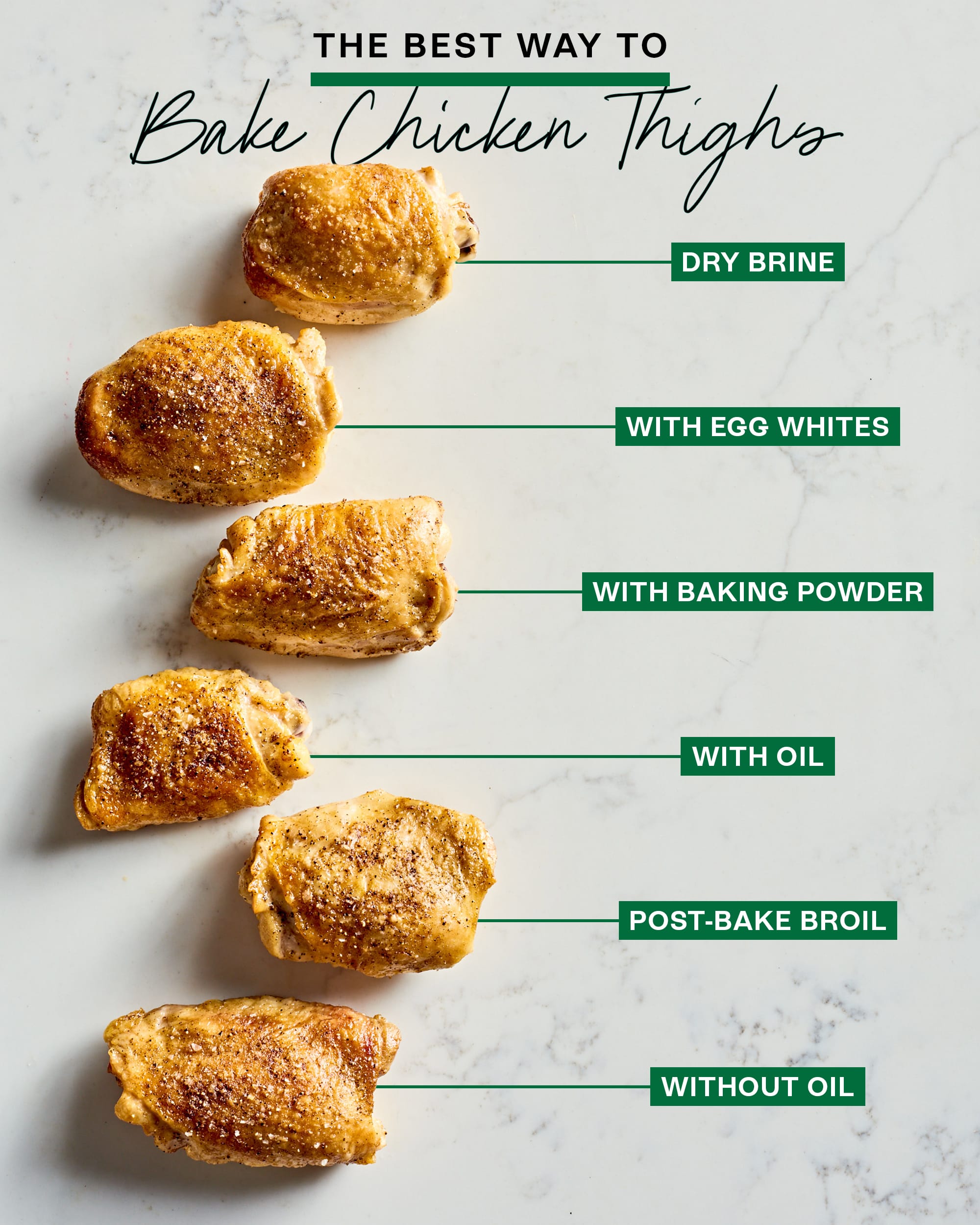
- Forgetting to pat dry: Wet skin won’t crisp up. Pat with paper towels first.
- Using only color: Pink meat near the bone can be safe if temperature is right.
How To Tell When Chicken Thighs Are Done
Besides using a thermometer, look for these signs:
- Clear juices: When you cut near the bone, juices should run clear, not pink.
- Texture: Meat feels firm, not rubbery.
- Color: Some pink near the bone is normal, but the outer meat should be white or light brown.
Here’s a simple doneness checklist:
| Sign | What It Means |
|---|---|
| 165°F (74°C)+ on thermometer | Safe to eat |
| Juices run clear | Usually fully cooked |
| Firm, not rubbery | Properly cooked |
Credit: www.thekitchn.com
Tips For Perfect Chicken Thighs Every Time
- Marinate: Adds flavor and helps keep meat moist.
- Preheat oven or pan: Even heat means even cooking.
- Use a wire rack: Lifts thighs, making skin crisp on all sides.
- Baste with pan juices: For extra moisture and flavor.
- Try high heat: 425°F (218°C) for the last 5 minutes for extra crisp skin.
Two non-obvious insights: First, resting the meat is often skipped, but it makes a big difference in juiciness. Second, don’t worry about a little pink near the bone—temperature is your best guide, not color.
Example: Simple Oven-baked Chicken Thighs
Here’s a straightforward way to try your new knowledge:
Ingredients
- 4 bone-in, skin-on chicken thighs
- 1 tablespoon olive oil
- 1 teaspoon salt
- 1/2 teaspoon black pepper
- 1 teaspoon garlic powder
- 1 teaspoon paprika
Directions
- Preheat oven to 400°F (204°C).
- Pat thighs dry and rub with oil.
- Mix spices and sprinkle all over the thighs.
- Place on a wire rack over a baking sheet.
- Bake 35–45 minutes, or until a thermometer reads at least 175°F (80°C).
- Rest 5 minutes before serving.
Serves 2–4 people. Cooking time: about 40 minutes.
:max_bytes(150000):strip_icc()/235153easy-baked-chicken-thighsfabeverday4x3-88065caf6813410e8b99b3c364cd3ed3.jpg)
Credit: www.allrecipes.com
When To Use High Or Low Oven Temperatures
High temperatures (400–425°F) are best for crispy skin and juicy meat. Lower temperatures (350–375°F) are better for slow roasting or if you’re adding a sauce that might burn.
If you want to cook vegetables at the same time, use 400°F and add vegetables like carrots or potatoes to the pan for the last 30 minutes. They’ll soak up the chicken juices for extra flavor.
Chicken Thighs For Meal Prep
Chicken thighs are great for meal prep because they stay moist even after reheating. Cook a large batch, cool completely, and store in an airtight container in the fridge for up to 4 days. For best results, reheat in the oven at 350°F for 10–15 minutes, or microwave in short bursts to keep them juicy.
Nutrition And Calories
Chicken thighs are higher in fat than breasts, but they also have more flavor. A typical cooked, skinless, boneless chicken thigh (about 85g) has:
- Calories: 130
- Protein: 17g
- Fat: 7g
With skin, fat and calories increase. If you’re watching calories, remove the skin after cooking to keep meat moist but reduce fat.
Chicken Thighs In Different Cuisines
You’ll find chicken thighs used in dishes from all over the world:
- French coq au vin: Slow-cooked in wine.
- Japanese yakitori: Grilled with sweet soy glaze.
- Indian curry: Simmered in spicy tomato sauce.
Each method uses the rich, juicy qualities of thighs for the best taste.
If you want to learn more about safe cooking temperatures and techniques, the USDA offers clear guidelines: USDA Safe Minimum Internal Temperatures.

Credit: www.spendwithpennies.com
Frequently Asked Questions
How Long Do I Bake Chicken Thighs At 375°f?
Bone-in thighs at 375°F usually need 40–50 minutes. Boneless thighs take 25–35 minutes. Always check with a thermometer to make sure they’re at least 165°F (74°C).
Can I Cook Frozen Chicken Thighs In The Oven?
Yes, but add 50% more time. Bone-in thighs might need 60–75 minutes at 400°F. It’s best to thaw chicken first for even cooking.
Why Are My Chicken Thighs Rubbery?
Rubbery thighs are usually undercooked or cooked too fast over high heat. Let them reach 175–185°F (80–85°C) and rest before serving.
Is It Safe If The Chicken Thigh Meat Is A Little Pink?
Yes, as long as the internal temperature is at least 165°F (74°C). Some pink near the bone is normal in cooked dark meat.
Should I Cover Chicken Thighs With Foil When Baking?
If you want crisp skin, don’t cover. If you want to keep them moist without crisping, cover for the first half, then uncover to finish.
Cooking chicken thighs doesn’t need to be confusing. Use a thermometer, pay attention to the method, and remember a few simple tips. With practice, you’ll get perfect, juicy chicken thighs every time.