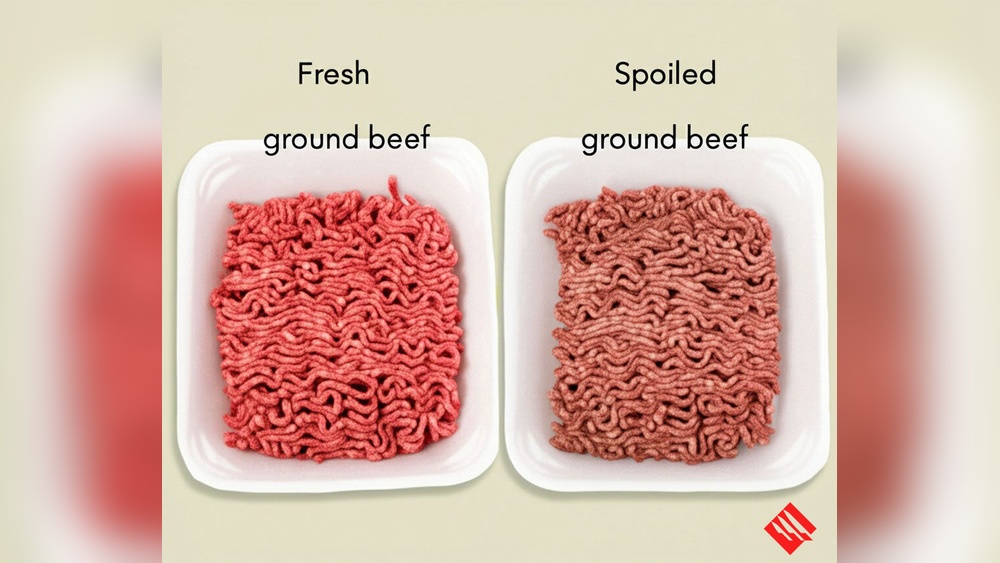
Freezing ground beef is a common way to keep it safe for longer periods, but many people wonder: Does ground beef go bad in the freezer? The answer isn’t as simple as “yes” or “no.” While freezing can greatly extend the shelf life of ground beef, it doesn’t make it last forever. If you’ve ever pulled a forgotten package of ground beef from the back of your freezer and wondered if it’s still good, you’re not alone. Knowing how long ground beef lasts in the freezer, what signs to look for, and how to store it properly can help you avoid food waste and keep your meals safe.
This article will explain what happens to ground beef in the freezer, how to recognize spoilage, and how to keep your frozen ground beef at its best. You’ll get clear answers, helpful tips, and practical examples—so you can freeze ground beef with confidence.
How Freezing Affects Ground Beef
Freezing keeps ground beef safe by slowing down the growth of bacteria and other harmful microbes. When meat is frozen at 0°F (-18°C) or lower, bacteria become inactive. However, this doesn’t mean ground beef will stay perfect forever. Over time, the quality can change.
What Freezing Does (and Doesn’t Do)
- Freezing does not kill all bacteria. It only stops their growth. If bacteria were present before freezing, they will become active again when the meat is thawed.
- Texture and taste can change. The longer beef stays in the freezer, the more likely it is to develop dry spots (freezer burn) or lose flavor.
How Long Can You Freeze Ground Beef?
The US Department of Agriculture (USDA) recommends using ground beef within 3 to 4 months for the best quality. It can be safe beyond this time if kept at constant freezing temperatures, but taste and texture may suffer.
Here’s a simple comparison:
| Storage Time | Quality | Safety |
|---|---|---|
| 1 Month | Excellent | Safe |
| 3-4 Months | Very Good | Safe |
| 6 Months | Noticeable quality loss | Safe if kept frozen |
| 1 Year+ | Poor quality, possible freezer burn | Generally safe, but not recommended |
Signs That Ground Beef Has Gone Bad In The Freezer
Even in the freezer, ground beef can go bad in terms of quality. Sometimes, it may even become unsafe to eat if the freezer temperature was not constant or if the meat was not packaged properly.
What To Look For
- Freezer Burn: Grayish-brown dry spots or ice crystals on the surface. This means the meat is dehydrated. It’s safe to eat, but the taste and texture will not be good.
- Off Color: If the ground beef has turned green, gray, or dull brown all over, it may be spoiled.
- Bad Smell: A strong, sour, or ammonia-like odor after thawing is a clear sign the beef is no longer safe.
- Slimy Texture: If the surface feels sticky or slimy after thawing, bacteria have likely grown.
When Is It Unsafe?
Ground beef is unsafe if:
- It was frozen after sitting at room temperature for more than two hours.
- It thawed and refroze, especially if it reached above 40°F (4°C) during thawing.
- It shows any of the spoilage signs above after thawing.
The Science Behind Freezer Spoilage
Freezer spoilage mostly affects quality, not safety, if the meat was frozen quickly and kept at the right temperature. However, flavor and texture changes can make the meat unpleasant. Over time, frozen ground beef can:
- Lose moisture, becoming tough or chewy.
- Absorb odors from other foods in the freezer.
- Develop oxidation, changing color and taste.
Here’s how oxidation affects ground beef over time:
| Months Frozen | Color Change | Taste Impact |
|---|---|---|
| 0-1 | Bright red | No change |
| 2-4 | Slight darkening | Minor change |
| 5+ | Brown or gray spots | Off-flavors possible |
Best Practices For Freezing Ground Beef
How you store ground beef makes a big difference. A few simple steps can help you keep frozen beef fresh and tasty.
Packaging Tips
- Use airtight packaging. Remove as much air as possible with vacuum sealers, freezer bags, or wrap tightly in plastic wrap and aluminum foil.
- Label each package with the freezing date. This helps you use older meat first.
- Divide into portions. Freeze in meal-sized amounts to avoid thawing and refreezing.
Freezing Methods
- Freeze quickly. Spread packages flat so they freeze faster. The faster the freezing, the smaller the ice crystals that form, and the better the texture when thawed.
- Keep your freezer at or below 0°F (-18°C). Use a thermometer to check.
Storage Location
Store ground beef in the coldest part of the freezer—usually the back or bottom. Don’t store in the freezer door, where temperatures can fluctuate.
Thawing Ground Beef Safely
How you thaw ground beef matters for both safety and taste. Never thaw at room temperature, as bacteria can grow quickly.
Safe Thawing Methods
- In the Refrigerator: Place the ground beef on a plate to catch drips. It usually thaws in 24 hours per pound. This is the safest way.
- In Cold Water: Place the beef in a sealed bag and submerge in cold water. Change the water every 30 minutes. Ground beef thaws in about 1 hour per pound.
- In the Microwave: Use the defrost setting. Cook immediately after thawing, as some spots may start to cook.
Unsafe Thawing
Never thaw ground beef on the kitchen counter. Bacteria multiply quickly at room temperature, even if the meat is still cold to the touch.
What If Ground Beef Smells Funny After Freezing?
Sometimes, frozen ground beef smells odd after thawing. This could be due to freezer burn or oxidation, not just spoilage. However, trust your senses—if the smell is strong, sour, or unpleasant, it’s safer to throw it away.
Credit: www.reddit.com
How To Avoid Common Mistakes
Many people make simple mistakes that reduce the quality or safety of frozen ground beef. Here’s how to avoid them:
- Freezing old meat: Always freeze ground beef when it’s fresh, not when it’s close to expiring.
- Not labeling packages: Without dates, you may keep meat too long and forget when you froze it.
- Storing in thin supermarket packaging: Repack ground beef in thicker, airtight materials before freezing.
- Refreezing thawed beef: Only refreeze if the beef was thawed in the fridge and has not been out for more than a day.
Comparing Ground Beef With Other Frozen Meats
How does ground beef hold up compared to other meats in the freezer? Here’s a quick look:
| Meat Type | Best Quality Period | Common Issues |
|---|---|---|
| Ground Beef | 3-4 months | Freezer burn, odor transfer |
| Chicken (pieces) | 9 months | Dryness, freezer burn |
| Pork Chops | 4-6 months | Texture change |
| Steaks | 6-12 months | Odor absorption |
Ground beef has a shorter freezer life than most other meats. This is mainly because grinding increases surface area, making it lose moisture and pick up odors more easily.
How To Tell If Frozen Ground Beef Is Still Good
If you’re unsure about your frozen ground beef, check these points:
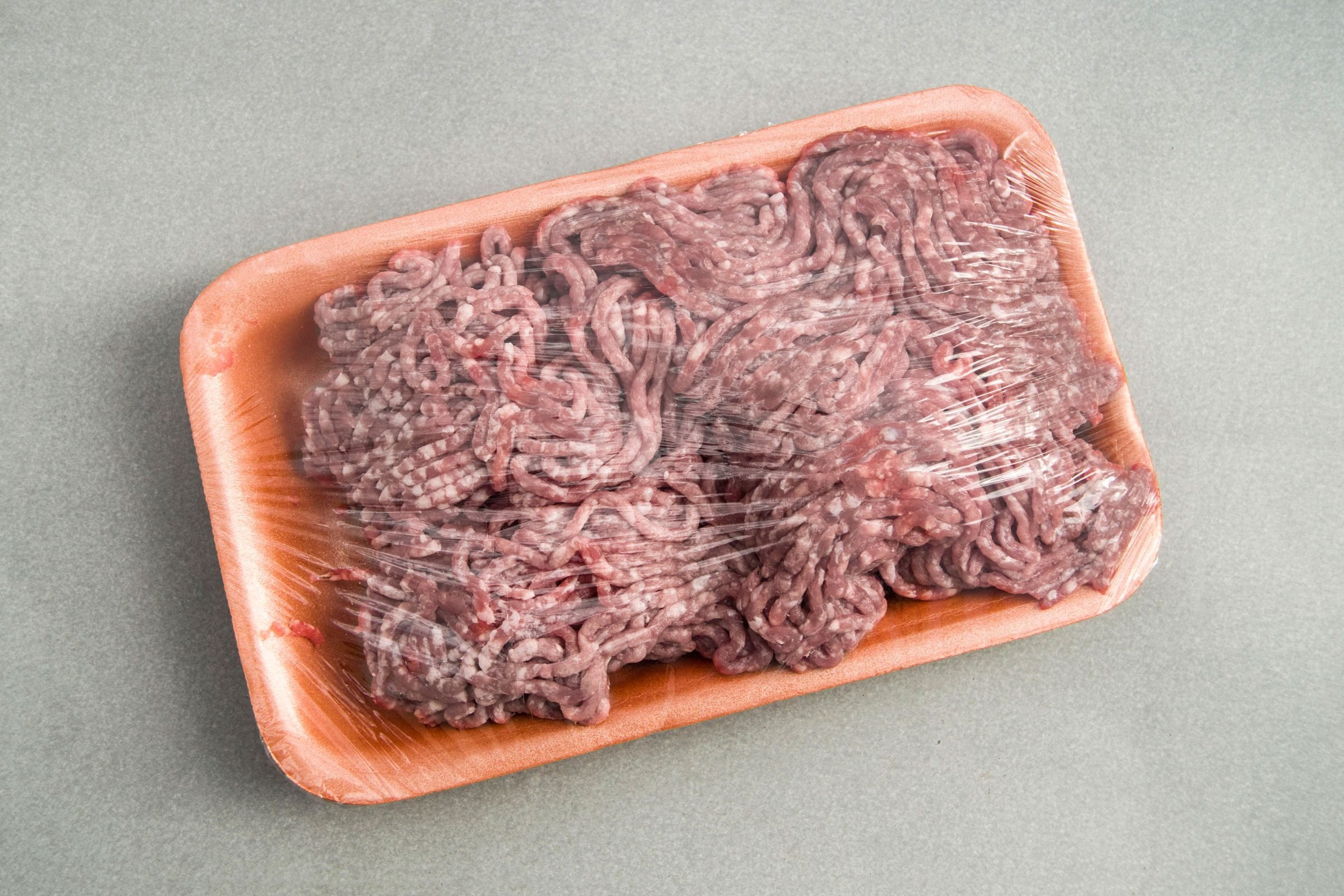
- Color: Should be red or brown (not green or gray throughout).
- Smell: Must not have a sour or off odor.
- Texture: Should be firm after thawing, not slimy or sticky.
- Packaging: If the package is open, torn, or has a lot of ice crystals, quality may be low.
If you notice anything unusual, it’s best to throw it away. Eating spoiled meat can lead to food poisoning.
Tips For Keeping Ground Beef Fresh In The Freezer
- Freeze ground beef as soon as possible after buying.
- Use high-quality freezer bags, vacuum sealers, or heavy-duty foil.
- Remove as much air as possible to prevent freezer burn.
- Store at a consistent, cold temperature.
- Rotate your freezer stock—use the oldest packages first.
- Don’t freeze in bulk if you usually use small amounts.

Credit: www.youtube.com
Practical Examples
- Example 1: You buy a large pack of ground beef. Divide it into 1-pound portions, wrap each tightly, label with the date, and freeze. You’ll always have the right amount on hand, and each portion will keep its best quality.
- Example 2: You find ground beef that’s been in the freezer for 8 months. It’s safe to eat if your freezer stayed cold, but the flavor and texture may not be as good as a fresher batch.
- Example 3: You freeze ground beef in the store packaging. After a few months, you notice dry, brown spots and a strange taste. Next time, repackage the meat before freezing for better results.
Non-obvious Insights Most People Miss
- Freezer burn does not mean the meat is unsafe. You can cut off affected parts and use the rest if the smell and color are normal.
- Power outages can spoil frozen meat. If your freezer temperature rose above 40°F for more than 2 hours, the meat may not be safe—even if it looks fine.
- Vacuum sealing extends quality. Ground beef vacuum sealed can keep high quality for up to a year.
Credit: www.tasteofhome.com
External Resource
For more detailed guidelines on freezing meat, you can visit the USDA Freezing and Food Safety page.
Frequently Asked Questions
How Long Can Ground Beef Stay Frozen Before It Goes Bad?
For best quality, use ground beef within 3 to 4 months. It will remain safe beyond that if kept at 0°F, but taste and texture may suffer.
Can You Eat Ground Beef With Freezer Burn?
Yes, you can eat freezer-burned ground beef. It’s safe, but the flavor and texture may not be pleasant. Cut away the dry spots before cooking.
Is It Safe To Freeze Ground Beef In Its Original Packaging?
Store packaging is usually thin and lets in air. For best results, rewrap ground beef in airtight freezer bags or foil before freezing.
Can You Refreeze Ground Beef After Thawing?
You can refreeze ground beef if it was thawed in the refrigerator and has not been sitting out. Refreezing may affect texture but is safe.
What Happens If Frozen Ground Beef Smells Bad After Thawing?
If ground beef smells sour, rotten, or has a strong odor after thawing, it should be thrown away. Smell is a key sign of spoilage.
Freezing ground beef is a safe and effective way to keep it ready for meals, but it’s not a perfect solution. Knowing how to freeze, thaw, and check your ground beef will help you avoid waste and enjoy better-tasting food.
Remember, when in doubt, it’s safer to throw it out. With these tips, you can make the most of your freezer and keep your meals both safe and delicious.