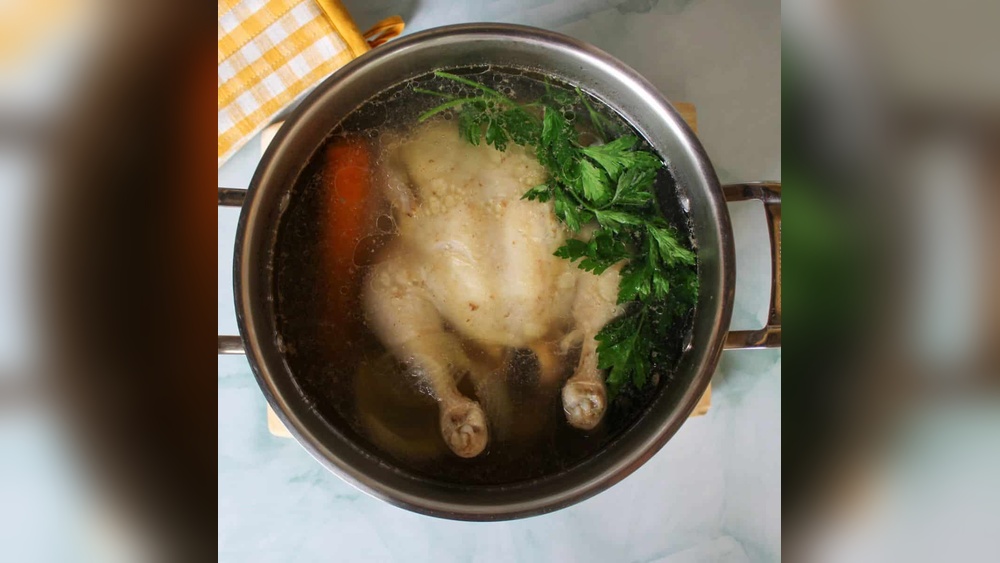
How Long Should You Boil A Whole Chicken?
Boiling a whole chicken is one of the simplest ways to prepare a healthy, flavorful meal. Whether you want to make soup, shredded chicken for salads, or just enjoy tender meat, knowing the right boiling time is important. Many home cooks wonder how long they should boil a whole chicken to make sure it’s safe to eat and perfectly juicy.
If you boil for too short a time, the chicken can be tough or undercooked. Boil too long, and it might become dry and stringy. This guide covers everything you need to know, from timing and safety tips to flavor secrets and practical advice.
You’ll also find answers to common questions and useful tables to make your cooking easier.
What Affects Boiling Time For A Whole Chicken?
Boiling time is not the same for every chicken. Several factors can change how long your chicken needs to cook:
- Size of the chicken: A small chicken cooks faster than a large one. The average whole chicken weighs between 3 and 5 pounds.
- If the chicken is fresh or frozen: Frozen chickens take longer to cook.
- Whether you want tender meat or just cooked through: Sometimes, you may want to boil longer for soup or shredding.
- Altitude and water temperature: High altitudes can increase boiling times because water boils at a lower temperature.
Understanding these details helps you avoid undercooked meat and unpleasant texture.
Standard Boiling Times
The most common question is, “How long should you boil a whole chicken?” Here are general guidelines for boiling times:
- For a 3-4 pound fresh chicken: 1 hour (60 minutes)
- For a 5-6 pound fresh chicken: 1 hour 20 minutes (80 minutes)
- For a 3-4 pound frozen chicken: 1 hour 30 minutes (90 minutes)
- For a 5-6 pound frozen chicken: 2 hours (120 minutes)
You’ll find a quick comparison below:
| Chicken Weight | Fresh | Frozen |
|---|---|---|
| 3-4 lbs | 60 minutes | 90 minutes |
| 5-6 lbs | 80 minutes | 120 minutes |
These times are for simmering, not a rolling boil. A gentle simmer (small bubbles, not rapid) is best for tender meat and rich broth.
Step-by-step Guide To Boiling A Whole Chicken
Follow these steps for tasty, perfectly cooked chicken:
- Clean the chicken: Remove any packaging, giblets, and extra fat. Rinse the chicken with cold water.
- Place in a large pot: The pot should be big enough to fully cover the chicken with water.
- Add water: Fill the pot with enough cold water to cover the chicken by at least 1 inch.
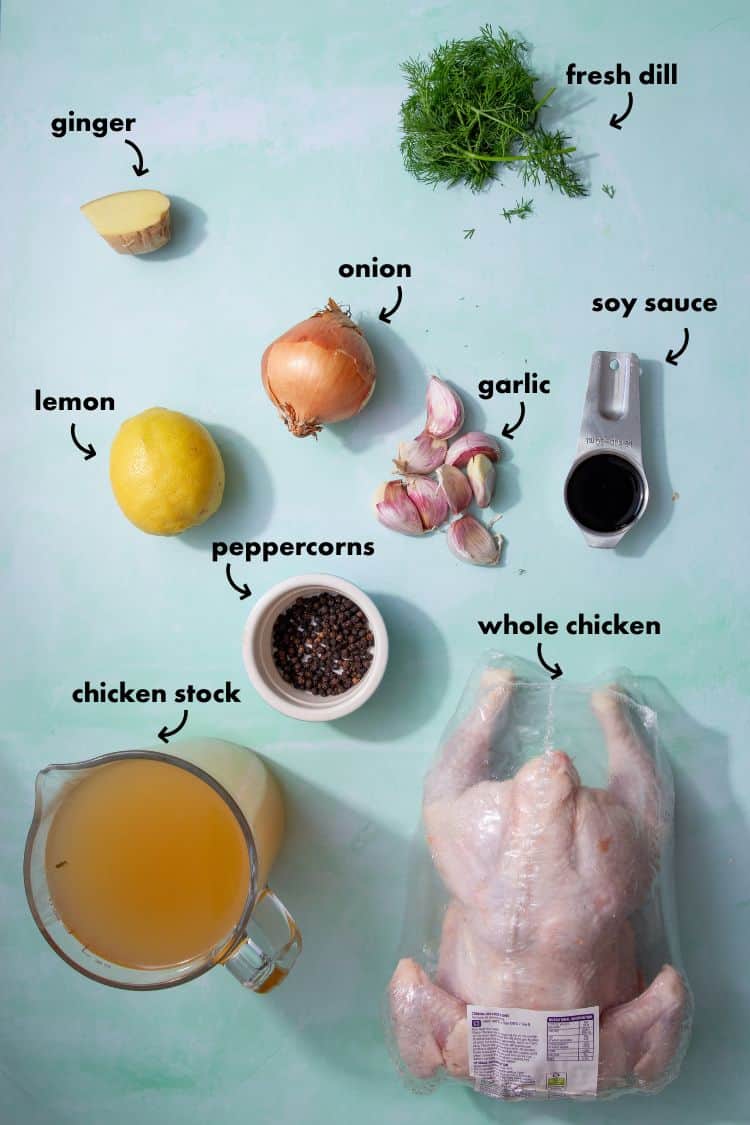
- Season the water: Add salt, pepper, onion, garlic, herbs (like bay leaves, thyme, parsley), and any vegetables you like (carrots, celery).
- Bring to a boil: Heat on high until the water starts to boil.
- Reduce to a simmer: Lower the heat so the water bubbles gently.
- Skim off foam: As the chicken cooks, foam may rise to the top. Skim it off with a spoon for a clear broth.
- Cover and cook: Put a lid on the pot, but leave it slightly open. Simmer for the recommended time.
- Check for doneness: Insert a thermometer into the thickest part of the thigh. The internal temperature should reach 165°F (74°C).
- Rest and serve: Remove the chicken and let it rest for 10 minutes before cutting.
How To Tell If Your Chicken Is Fully Cooked
Cooking time is a guide, but you must check if your chicken is truly done. Here’s how:
- Use a meat thermometer: The safest way. Insert it into the thigh, not touching bone. Look for 165°F (74°C).
- Check the juices: Pierce the thigh with a knife. If juices run clear, it’s done. Pink or red juices mean more time is needed.
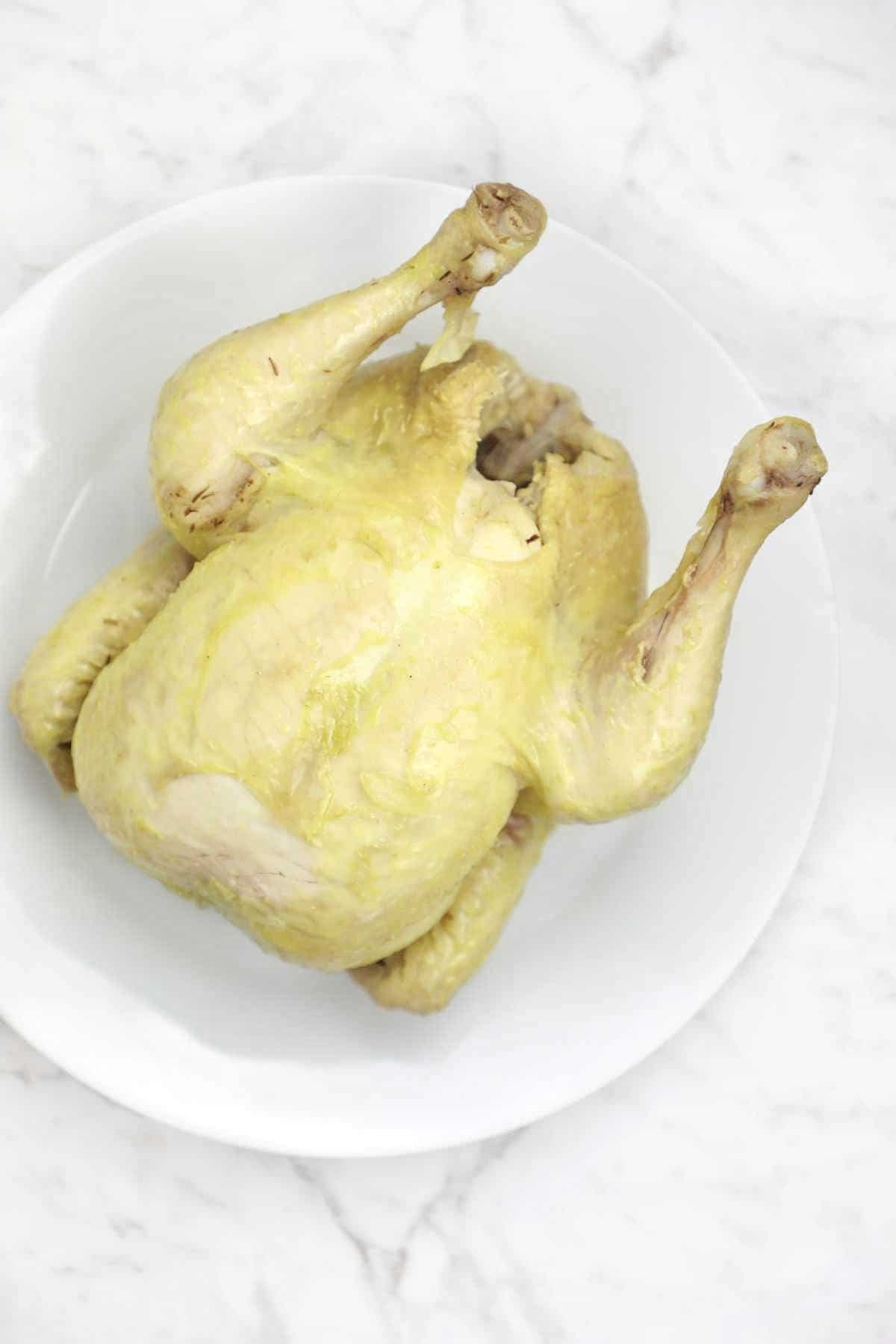
- Look at the meat: The meat should be white, not pink or rubbery.
Never skip checking. Undercooked chicken can cause illness.

Credit: temeculablogs.com
Boiling Fresh Vs. Frozen Whole Chicken
You can boil both fresh and frozen chicken, but frozen takes longer. It’s safe to boil chicken straight from the freezer if you adjust the time.
Frozen chicken tips:
- Do not thaw in hot water before boiling. Start with cold water and bring up the temperature slowly.
- Add about 50% more time than you would for fresh.
- Stir occasionally to help heat reach all parts evenly.
Here is a time comparison for quick reference:
| Chicken Type | Boiling Time (3-4 lbs) | Boiling Time (5-6 lbs) |
|---|---|---|
| Fresh | 60 min | 80 min |
| Frozen | 90 min | 120 min |
Flavor Tips And Boosters
Boiled chicken does not have to be bland. You can add lots of flavor:
- Salt and pepper: Basic but essential.
- Herbs: Add bay leaves, thyme, rosemary, or parsley for aroma.
- Vegetables: Carrot, celery, and onion give sweetness to the broth.
- Acid: A splash of lemon juice or vinegar brightens the flavor.
For deeper taste, try roasting the chicken bones or skin in the oven before boiling. This step adds a rich, roasted flavor to your broth.
Common Mistakes When Boiling Whole Chicken
Even experienced cooks make mistakes. Avoid these for the best results:
- Boiling too hard: A strong boil can make the meat tough. Keep it at a gentle simmer.
- Skipping the thermometer: Guessing doneness can lead to undercooked or dry chicken.
- Not seasoning the water: Unseasoned water gives bland meat.
- Using too little water: The chicken must be fully covered to cook evenly.
- Not skimming foam: This causes cloudy broth with an odd taste.
A non-obvious tip: If you plan to shred the chicken, let it cool in the broth for 20 minutes after cooking. This helps the meat stay juicy and easier to pull apart.
How Boiling Time Affects Texture And Flavor
The boiling time changes more than safety—it affects how your chicken tastes and feels.
- Short boiling time (less than 45 minutes): Meat may be raw or rubbery.
- Proper boiling time (60–90 minutes): Meat is tender, juicy, and easy to cut.
- Very long boiling time (over 2 hours): Meat can fall apart and dry out. The broth gets richer, but the chicken loses flavor.
If you want the chicken mainly for broth (like classic chicken soup), a longer simmer is okay. For serving pieces, stick to the recommended times.
Credit: chickenvibes.com
Using Boiled Chicken And Broth
Boiling a whole chicken gives you two great ingredients: cooked chicken meat and homemade chicken broth. Here are some ways to use them:
- Shredded chicken: Great for salads, tacos, sandwiches, or casseroles.
- Chicken pieces: Serve with rice, vegetables, or potatoes for a simple meal.
- Broth: Use as a base for soups, stews, risotto, or sauces.
A handy tip: Strain the broth and freeze it in small containers. This way, you have homemade stock ready for quick meals.
Nutritional Benefits Of Boiled Chicken
Boiling is one of the healthiest ways to cook chicken. Here’s why:
- Low in fat: Boiling removes much of the fat, especially if you skim the surface.
- Rich in protein: Chicken is an excellent source of lean protein.
- Minerals and vitamins: Broth made with bones contains calcium, magnesium, and collagen.
Compared to frying or roasting, boiling adds no extra oil and keeps the meat moist and tender.
Credit: beatthebudget.com
Comparison: Boiling Vs. Other Cooking Methods
How does boiling a whole chicken compare to other popular methods?
| Method | Cooking Time | Texture | Flavor | Healthiness |
|---|---|---|---|---|
| Boiling | 60–120 min | Tender, moist | Mild, customizable | Very healthy |
| Roasting | 75–120 min | Crispy skin, juicy | Richer, caramelized | Healthy if skin removed |
| Slow cooking | 6–8 hours | Very tender | Deep, developed | Healthy |
| Grilling | 60–90 min | Smoky, charred | Bold, smoky | Healthy, watch for charring |
Boiling is best for tender meat and clear broth. Roasting gives crispy skin, but boiling is easier and almost foolproof.
Safety Tips When Boiling Chicken
- Always check the temperature: The only sure way to know chicken is safe is with a thermometer.
- Clean tools and surfaces: Wash your hands, knives, and cutting boards after handling raw chicken.
- Store leftovers safely: Cool boiled chicken within 2 hours and refrigerate. Use within 3–4 days or freeze for up to 3 months.
- Do not reuse boiling water for other foods without boiling again.
Food safety is essential. Undercooked or mishandled chicken can cause serious illness. For more details, the CDC offers guidelines on safe chicken handling.
Frequently Asked Questions
How Can I Add More Flavor To Boiled Chicken?
Use plenty of aromatics like garlic, onions, and herbs in the water. For a richer taste, roast the chicken bones before boiling, or add a splash of soy sauce or vinegar to the pot.
Can I Use The Water After Boiling Chicken?
Yes! The water becomes chicken broth. Strain it to remove bones and vegetables, and use it for soups, sauces, or cooking grains. It’s full of nutrients and flavor.
Should I Cover The Pot When Boiling A Whole Chicken?
Partially covering the pot helps control evaporation and keeps the cooking gentle. If you cover fully, the broth may overflow or become cloudy. Leave a small gap for steam to escape.
What Vegetables Go Well With Boiled Chicken?
Common choices are carrots, celery, and onion. You can also add leeks, garlic, parsnip, or even ginger for extra flavor.
Can I Boil Chicken For Too Long?
Yes. If you boil chicken far past the recommended time, the meat can become dry and stringy. The broth gets stronger, but the chicken itself loses texture and taste.
Boiling a whole chicken is simple, healthy, and versatile. With the right timing, you’ll enjoy perfectly cooked, juicy meat and a delicious broth every time. Experiment with seasonings and vegetables to find your favorite combination. Remember, always check the internal temperature, and don’t rush the process.
Happy cooking!