If your drain is clogged, you might be tempted to reach for the classic baking soda and vinegar trick. After all, it sounds natural, simple, and cheap.
But what if this popular home remedy is actually making things worse? You deserve a solution that truly works without risking damage to your pipes or costing you more in the long run. Keep reading to discover why you should never use baking soda and vinegar to unclog your drain—and what you should do instead to protect your home and save your sanity.
:max_bytes(150000):strip_icc()/SPR-freshen-and-unclog-drain-with-baking-soda-1900466-Final-8fa0efccc89b48cc91da010f44f77e05.png)
Credit: www.thespruce.com
Common Drain Cleaning Myths
Many people trust home remedies for cleaning clogged drains. Some ideas spread fast, but not all are true. These myths can cause more harm than good. Knowing the facts helps protect your pipes and avoid costly repairs.
Popular Home Remedies
Common tips include pouring hot water, salt, or dish soap down the drain. Some suggest using lemon juice or cola. These methods seem easy and cheap. They might work for light clogs but fail with tougher blockages. Often, they only push the problem deeper into the pipes.
Baking Soda And Vinegar Appeal
Baking soda and vinegar are popular for many cleaning tasks. Their fizzing reaction looks like it can clear clogs. Many believe this mix breaks down grease and debris inside drains. The truth is this reaction is short-lived and weak. It rarely removes tough blockages or buildup. Using this mix often delays real fixes and may damage pipes over time.
Chemical Reaction Explained
Understanding the chemical reaction between baking soda and vinegar helps explain why they don’t clear clogs. Many people believe the fizzing action can break down blockages. The truth is different. The science behind this common home remedy shows its limits.
How Baking Soda And Vinegar Interact
Baking soda is a base, and vinegar is an acid. When mixed, they react quickly. This reaction produces carbon dioxide gas. The gas creates bubbles and fizz. This fizzing causes a temporary rise in pressure.
The reaction also creates water and sodium acetate. The entire process finishes fast. After fizzing stops, the mixture loses its cleaning power. It becomes mostly water and harmless salts.
Why The Fizzing Doesn’t Clear Clogs
Clogs are usually made of hair, grease, or soap scum. The fizzing gas bubbles cannot break these solid materials. The pressure is not strong enough to push the clog away.
Also, the reaction happens on the surface of the clog. It does not reach deep inside the blockage. The baking soda and vinegar mixture washes away quickly with water.
In many cases, the fizzing just moves the clog slightly. It does not remove it completely. This leaves the drain still slow or blocked.
Potential Damage To Pipes
Using baking soda and vinegar to unclog a drain may seem safe and natural. Yet, this mixture can cause hidden damage to your pipes over time. The chemical reaction creates bubbles and fizz. This reaction can wear down certain pipe materials. Pipes that look fine now may weaken and break in the future.
Understanding the effects on different pipes helps you avoid costly repairs. Not all pipes react the same way to this home remedy. Knowing the risks keeps your plumbing safe and working well.
Effects On Different Pipe Materials
Metal pipes, like galvanized steel or iron, can rust faster from baking soda and vinegar. The acidic nature of vinegar speeds up corrosion. This weakens the metal and can lead to leaks.
Plastic pipes, such as PVC, might seem safe at first. But the reaction can cause small cracks over time. These cracks grow and cause leaks or breaks.
Copper pipes face a risk too. The acid in vinegar can remove the protective layer on copper. Without this layer, pipes become more vulnerable to damage and corrosion.
Long-term Consequences
Repeated use of baking soda and vinegar wears down pipes slowly. Pipes lose strength, causing cracks and holes. This damage is often hidden until serious leaks happen.
Leaks may cause water damage to walls and floors. Repair costs can be high and disruptive. Fixing pipes is more expensive than hiring a plumber early.
Regular use of this mixture may shorten the life of your plumbing system. Choosing safer, professional drain cleaners protects your home better. Avoid risking pipe damage for a quick fix.
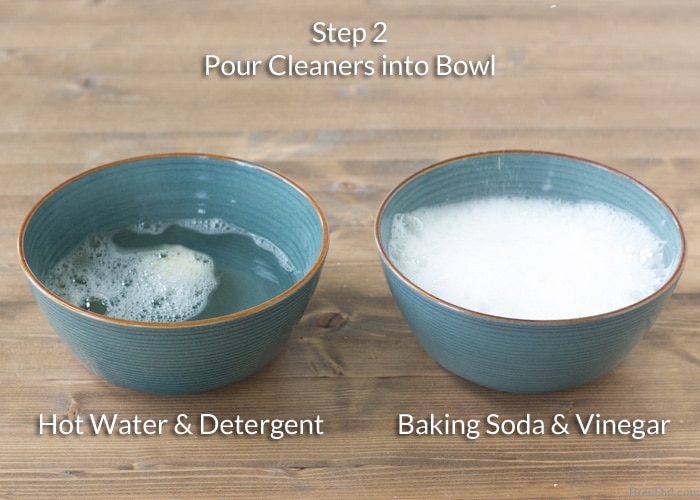
Credit: brendid.com
Ineffectiveness On Stubborn Clogs
Stubborn clogs often resist simple home remedies like baking soda and vinegar. Many people try this mixture hoping for a quick fix. Unfortunately, it rarely clears tough blockages. The chemical reaction fizzles out fast and cannot break down heavy grease or hair clumps. These clogs need stronger solutions to truly clear the drain.
Limitations Of Baking Soda And Vinegar
Baking soda and vinegar create a fizzy reaction that looks promising. This fizz can loosen minor grime or small debris. Yet, it cannot dissolve solid materials that cause serious clogs. Grease, soap scum, and hair build-up stay stubborn. The reaction stops quickly and does not reach deep into pipes. This makes the mixture ineffective for real blockages.
When Professional Help Is Needed
Stubborn clogs often require more than home treatments. Professionals use special tools and strong cleaners to clear pipes. They can reach deep and remove tough blockages safely. Trying to fix serious clogs alone may cause damage. Calling a plumber saves time and prevents costly repairs. Trust experts to restore your drain fast and fully.
Safer And More Effective Alternatives
Using baking soda and vinegar to unclog drains might seem easy. But these mixtures often fail to clear tough blockages. They can also damage your pipes over time. Safer and more effective methods exist. These options clean drains without risking pipe damage.
Try these alternatives to keep your plumbing safe and working well.
Mechanical Methods
Tools like plungers and drain snakes work well. A plunger pushes the clog out with pressure. A drain snake breaks up or pulls out blockages. These tools do not use chemicals. They protect your pipes from harm. Mechanical methods are good for most drain clogs. They are cheap and easy to use.
Enzyme-based Cleaners
Enzyme cleaners use natural bacteria to eat away clogs. They work slowly but safely. These cleaners do not harm pipes or the environment. Enzymes target organic waste like hair and grease. Use enzyme cleaners regularly to prevent future clogs. They are gentle but effective for many drain problems.
When To Call A Plumber
Some clogs need professional help. If water drains very slowly or not at all, call a plumber. Plumbing experts have tools and skills to fix tough clogs. They can find hidden problems inside pipes. Avoid causing damage by trying to fix serious clogs yourself. Calling a plumber saves time and prevents costly repairs.
Credit: bowersplumbingllc.com
Environmental Considerations
Environmental considerations matter when dealing with clogged drains. Many people use baking soda and vinegar as a natural fix. But this mix can harm the environment more than you think. Understanding these effects helps protect water and soil quality. Careful choices lead to safer homes and cleaner nature.
Impact Of Chemical Cleaners
Chemical cleaners can damage water ecosystems. These substances kill helpful bacteria in sewage systems. They also pollute rivers and lakes where wastewater flows. Chemicals break down slowly, lasting in the environment for a long time. Fish and plants suffer from toxic water. Using harsh cleaners adds to this problem. It is better to avoid chemicals that harm nature.
Eco-friendly Drain Maintenance Tips
Simple habits keep drains clear without harm. Pour boiling water down the drain regularly. Use a drain strainer to catch hair and debris. Natural enzymes can break down buildup safely. Avoid pouring grease or food scraps into drains. Regular cleaning prevents big clogs and protects pipes. These tips help keep water clean and healthy.
Frequently Asked Questions
Why Is Baking Soda And Vinegar Bad For Unclogging Drains?
Baking soda and vinegar create a chemical reaction but often fail to clear tough clogs. They can also damage pipes over time, especially older ones made of metal or PVC. This method is ineffective for serious blockages and may lead to costly repairs.
Can Baking Soda And Vinegar Damage Plumbing Pipes?
Yes, the acidic reaction from vinegar combined with baking soda can erode pipe materials. This weakens metal pipes and may cause leaks or bursts. Repeated use increases the risk, making it an unsafe option for regular drain cleaning.
What Are Safer Alternatives To Unclog Drains?
Safer alternatives include using a plunger, a drain snake, or enzymatic drain cleaners. These methods effectively remove blockages without damaging pipes. Professional plumbing services are best for severe clogs to avoid pipe damage.
Does Baking Soda And Vinegar Remove Grease Clogs Effectively?
No, baking soda and vinegar are not effective against grease clogs. Grease solidifies and sticks inside pipes, requiring mechanical removal or specialized cleaners. Using this DIY method may leave residue that worsens blockages.
Conclusion
Baking soda and vinegar may seem like a quick fix. They often do not clear tough clogs. Sometimes, they can even harm your pipes. Using the wrong method might cost more money. Professional drain cleaners work more safely and effectively.
Protect your plumbing by choosing the right solution. Your drain deserves proper care and attention. Avoid risks and keep your home safe. Choose smart, safe ways to unclog drains.