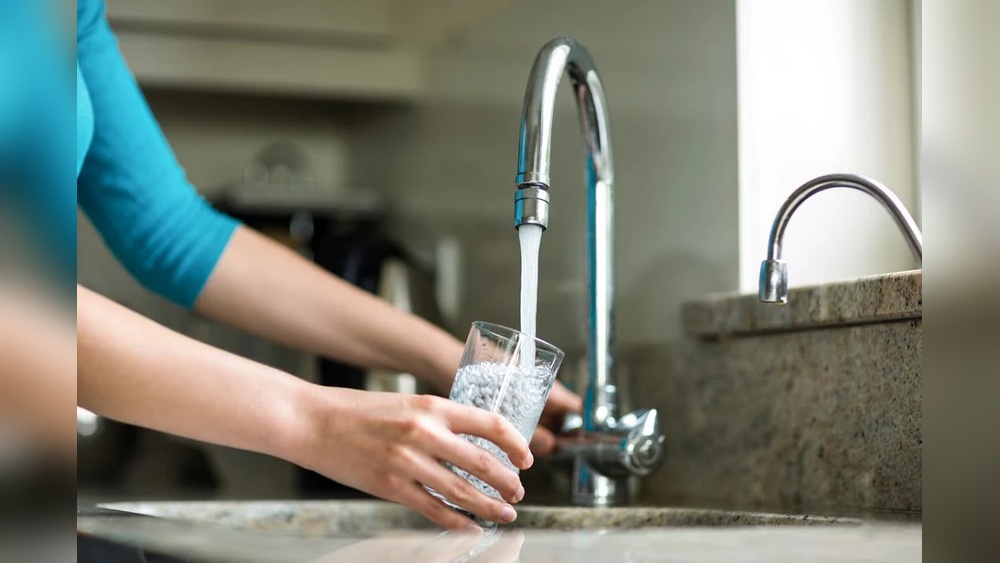
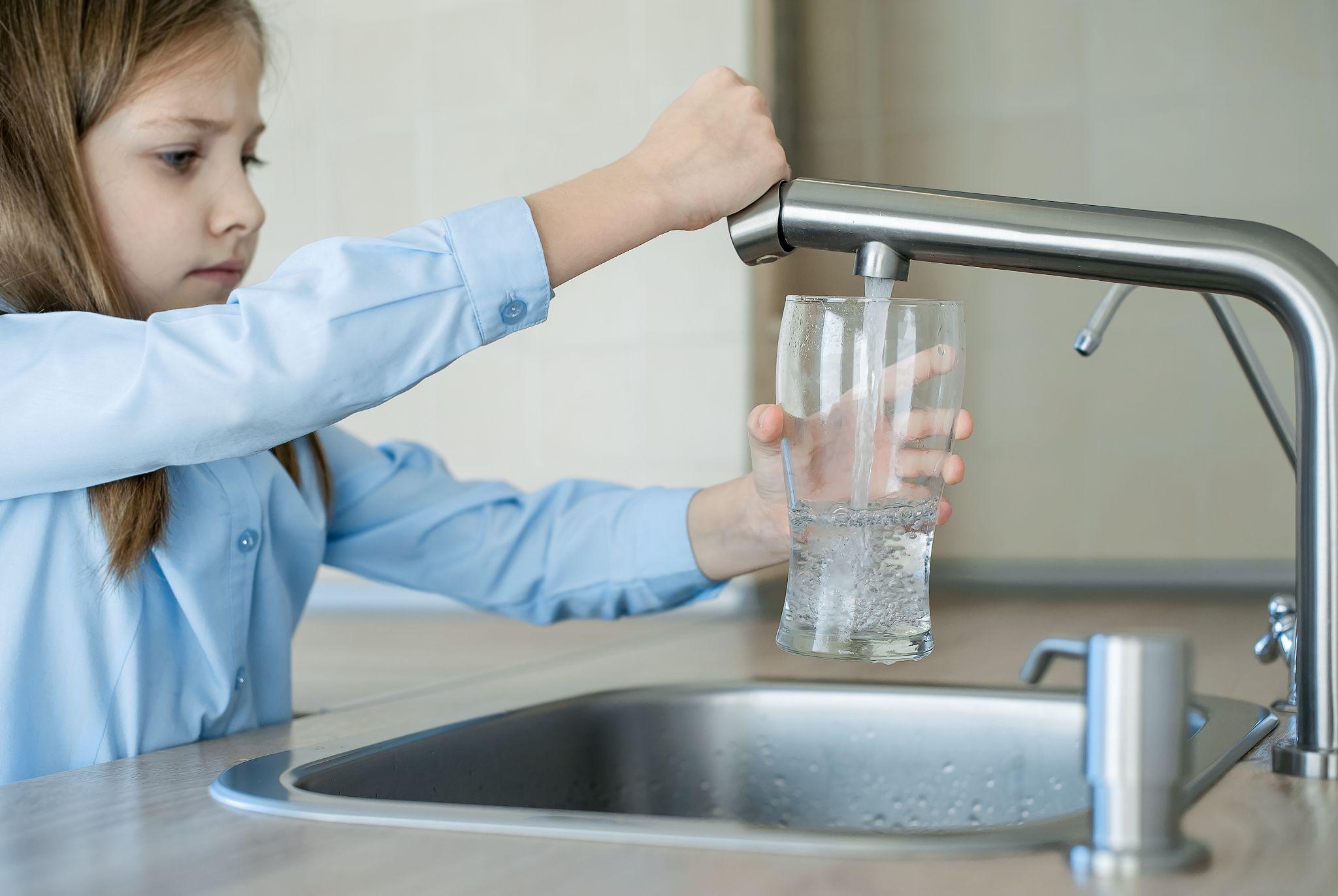
Water is one of the most important things in our life. We drink water every day. But have you ever wondered if the water from your kitchen sink is safe to drink? This question is very common. Many people want to know if they can drink water straight from the kitchen faucet.
In this article, we will talk about kitchen sink water safety. We will explain what makes water safe or unsafe. We will also share tips on how to check and clean your water. By the end, you will know if your kitchen sink water is safe for drinking.
Credit: www.raynewater.com
Where Does Kitchen Sink Water Come From?
The water from your kitchen sink usually comes from the city water supply. This water is treated before it reaches your home. The city cleans the water to remove dirt and harmful germs. They also add chemicals like chlorine to kill bacteria.
After treatment, the water travels through pipes to reach your house. The water flows through pipes inside your walls. These pipes bring water to your kitchen sink, bathroom, and other places.
Because the water is treated, many people think it is safe to drink. But is it always true?
Credit: health.clevelandclinic.org
What Can Make Kitchen Sink Water Unsafe?
Even if city water is treated, some things can make it unsafe. Here are some common reasons:
- Old Pipes: Pipes in your home might be very old. Old pipes can have rust or cracks. These problems can let dirt or germs enter the water.
- Pipe Material: Some pipes are made of lead. Lead is dangerous if it gets into water. Drinking lead water can cause health problems.
- Dirty Faucet: The faucet itself can have germs. If you don’t clean it often, germs can grow.
- Water Contamination: Sometimes, water can get dirty after it leaves the city supply. For example, if there is a leak or break in the pipes, dirt or germs can enter.
- Water Heater Problems: If your water heater is broken, it might cause bacteria to grow in hot water pipes.
Because of these issues, kitchen sink water might not always be safe to drink.
How Can You Tell if Your Kitchen Sink Water Is Safe?
There are some simple ways to check your water safety. Here are some things you can do:
- Look at the Water: Is the water clear or cloudy? If it looks cloudy or has particles, don’t drink it.
- Smell the Water: Does it smell strange, like chemicals or rotten eggs? If yes, do not drink it.
- Taste the Water: If the water tastes bad or strange, it might not be safe.
- Check the Pipes: Look under your sink. Are the pipes old or rusty? Old pipes can cause problems.
- Ask Your Water Supplier: Contact your city water company. They can tell you if there are problems in your area.
If you see or smell anything strange, avoid drinking the water until you fix the problem.
Is Tap Water Safe to Drink in General?
In many places, tap water is safe to drink. Cities work hard to clean the water. They check the water often to make sure it is good. The water has to meet rules for safety.
However, some areas have problems with water safety. For example, if pipes are very old or if there is pollution nearby. In these cases, water might have germs or harmful chemicals.
So, whether tap water is safe depends on where you live and the condition of your pipes.
How to Make Kitchen Sink Water Safer to Drink
If you want to be sure your kitchen sink water is safe, you can do some things:
1. Use A Water Filter
Water filters can clean water at your sink. They remove dirt, germs, and some chemicals. There are many types of filters:
- Carbon filters
- Reverse osmosis systems
- UV light purifiers
Choose a filter that fits your needs and budget. Make sure to change filters as the instructions say.
2. Clean Your Faucet
Wipe your faucet regularly. Use soap and water to clean it. This stops germs from growing.
3. Flush Your Pipes
If you have not used water for a long time, run the tap for a few minutes. This helps clear old water from pipes.
4. Test Your Water
You can buy water test kits. These kits check for bacteria, lead, and other chemicals. Testing helps you know if your water is safe.
5. Replace Old Pipes
If your pipes are very old or made of lead, think about replacing them. New pipes keep water cleaner and safer.
When Is Kitchen Sink Water Not Safe to Drink?
Some times, kitchen sink water is not safe at all. You should avoid drinking it in these situations:
- If there is a water boil notice from your city.
- If the water smells or tastes bad.
- If you see dirt, rust, or particles in the water.
- After a flood or heavy rain, water pipes might be dirty.
- If your water test shows bacteria or chemicals.
In these cases, use bottled water or boil water before drinking.
Is Kitchen Sink Water Different from Other Water in the House?
Kitchen sink water usually comes from the same pipes as other taps. But sometimes, kitchen water pipes are different. For example, some homes have special filters for kitchen water.
Bathroom water and outside taps might have different pipes. These pipes can be older or dirtier. So, kitchen sink water can be cleaner than water from other taps.
Summary: Is Kitchen Sink Water Safe to Drink?
| Question | Answer |
|---|---|
| Does kitchen sink water come from treated city water? | Yes, mostly from treated city water. |
| Can pipes affect water safety? | Yes, old or lead pipes can make water unsafe. |
| Is kitchen sink water always safe to drink? | Not always. It depends on water quality and pipes. |
| How to check water safety? | Look, smell, taste, test water, and check pipes. |
| How to make water safer? | Use filters, clean faucet, flush pipes, test water. |
| When avoid drinking kitchen sink water? | If water smells bad, is dirty, or city warns. |
Final Thoughts
Kitchen sink water is often safe to drink. But it is not always safe. Many things can change water quality. Old pipes and dirty faucets are common problems.
You can check your water by looking, smelling, and tasting it. Using a water filter helps make water cleaner. Testing water is a good idea to be sure.
If water looks or smells bad, do not drink it. Use bottled or boiled water instead. Taking care of your pipes and faucet keeps water safe too.
In the end, clean and safe water is very important. Always be careful and check your kitchen sink water before drinking.
Frequently Asked Questions
Is Kitchen Sink Water Safe For Drinking?
Kitchen sink water quality depends on your local supply and pipes. Most tap water is treated and safe but check local reports.
Can Kitchen Sink Water Cause Health Problems?
Contaminated water can cause stomach issues or infections. Clean pipes and filters reduce health risks significantly.
How To Test Kitchen Sink Water For Safety?
Use home water testing kits or send samples to a lab. Testing reveals contaminants like bacteria, lead, or chemicals.
Does Kitchen Sink Water Contain Harmful Chemicals?
Tap water may have small amounts of chlorine or fluoride. These are usually safe but high levels can be harmful.