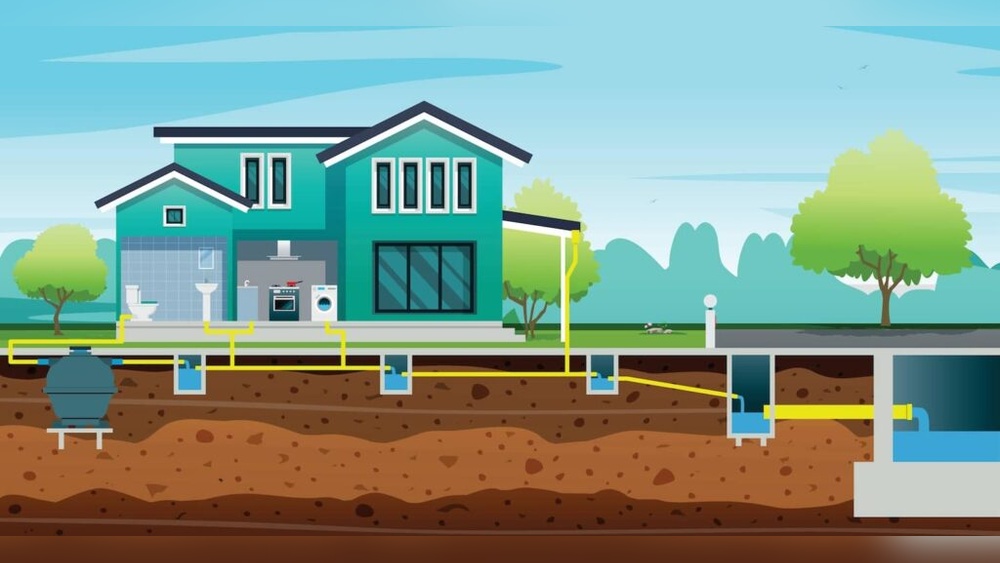
Many people wonder how their kitchen sink drains water. Does it go into a septic tank? Or does it go somewhere else? This article will explain how the kitchen sink connects to a septic tank. We will also talk about how septic tanks work. This will help you understand your home’s plumbing better.

Credit: georgebathroom.com
What Is a Septic Tank?
A septic tank is a big underground container. It holds wastewater from your home. Wastewater means dirty water from sinks, toilets, showers, and washing machines. The tank keeps the water safe before it goes back to the ground.
Septic tanks are common in places without city sewage systems. They help clean water in a simple way. The tank holds solid waste at the bottom. The lighter waste floats on top as scum. The clear water in the middle flows out to a drain field.
How Does the Kitchen Sink Drain Work?
The kitchen sink uses pipes to carry water away. When you wash dishes, water goes down the drain. It travels through the pipes to the home’s main drain line. From there, it goes to either a septic tank or a city sewer system.
So, yes, the kitchen sink can connect to a septic tank. The water from the sink flows into the septic tank along with water from other drains. This includes bathroom sinks, showers, and toilets.
Why Does the Kitchen Sink Connect to the Septic Tank?
All wastewater from the house needs a place to go. The septic tank is the main place for this water. The kitchen sink water has food bits, grease, and soap. These things enter the septic tank with other waste. The tank breaks down the waste safely.
It is important that all drains connect properly. This helps the septic tank work well. If the kitchen sink water did not go to the septic tank, it would cause problems. Wastewater would flow into the ground or pipes that are not safe.
How Does the Septic Tank Treat Kitchen Sink Waste?
The septic tank uses natural bacteria to break down waste. The bacteria eat solid waste in the tank. The grease and oils from the kitchen sink float on top. This layer is called scum. Solid waste sinks to the bottom as sludge.
The clear water in the middle leaves the tank. It goes to the drain field. The soil in the drain field cleans the water further. This keeps the environment safe.
Things to Know About Kitchen Sink Waste and Septic Tanks
- Grease and Oils: These can cause problems if too much goes into the tank. They float and can block pipes.
- Food Waste: Small bits can go into the tank. Large food scraps should not be put down the drain.
- Chemicals: Avoid pouring harsh chemicals into the kitchen sink. They can kill helpful bacteria in the septic tank.
- Water Use: Too much water can overload the septic tank. Be careful not to waste water.
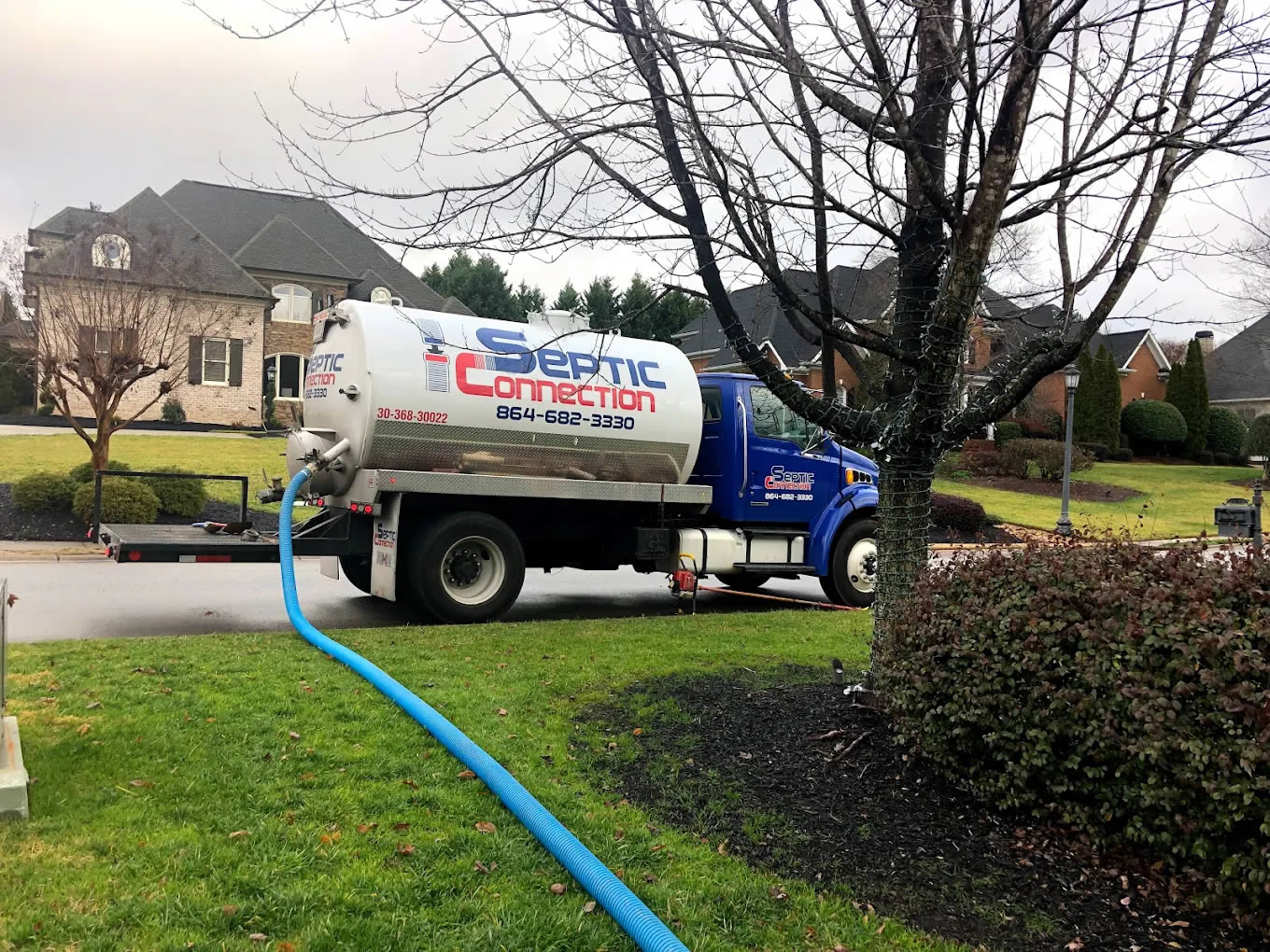
Credit: www.septicconnection.com
What Happens If the Kitchen Sink Is Not Connected Properly?
If the kitchen sink is not connected to the septic tank, wastewater can leak. This can cause bad smells and health risks. Wastewater can pollute the soil and water around your home.
Also, improper connection can cause backups in your sink. The water may not drain well. Pipes may clog and cause damage.
How to Check if Your Kitchen Sink Is Connected to a Septic Tank
Here are simple steps to check your kitchen sink connection:
- Locate your septic tank. It is usually underground near your home.
- Look at the main drain pipe from your house. It should lead to the septic tank.
- Check if the kitchen sink drain pipe joins the main drain line.
- If unsure, ask a plumber to inspect your plumbing system.
Maintaining Your Septic Tank With Kitchen Sink Use
Proper care helps your septic tank last longer. Here are some tips:
- Do not pour grease down the sink. Let it cool and throw it in the trash.
- Use a sink strainer. It catches food bits before they enter the pipes.
- Limit water use. Avoid running water for too long.
- Get your septic tank pumped regularly. This removes sludge and scum.
- Avoid harsh chemicals. Use natural cleaners when possible.
Summary Table: Kitchen Sink and Septic Tank Connection
| Question | Answer |
|---|---|
| Is the kitchen sink connected to the septic tank? | Yes, the kitchen sink drains wastewater to the septic tank. |
| What type of waste comes from the kitchen sink? | Food bits, grease, oils, and soapy water. |
| Can grease harm the septic tank? | Yes, too much grease can block pipes and harm the tank. |
| How does the septic tank treat kitchen sink waste? | Bacteria break down solids; grease floats as scum; clear water flows out. |
| What if the sink is not connected properly? | Wastewater can leak, cause smells, and damage plumbing. |
| How to keep the septic tank healthy? | Avoid grease, limit water use, pump tank regularly, and avoid chemicals. |
Frequently Asked Questions
Is The Kitchen Sink Usually Connected To A Septic Tank?
Yes, the kitchen sink drains into the septic tank along with other household wastewater. This helps treat and manage waste safely on-site.
Can Grease From The Kitchen Sink Harm A Septic Tank?
Grease can clog septic pipes and damage the tank’s bacteria balance. Avoid pouring fats or oils down the sink.
Why Is Kitchen Sink Water Important For A Septic System?
Kitchen sink water carries food particles and soap that the septic tank breaks down. Proper flow keeps the system working well.
Should Food Scraps Go Down The Kitchen Sink Drain?
No, food scraps can block pipes and overload the septic tank. Compost or trash food waste instead.
Conclusion
Yes, the kitchen sink is connected to the septic tank in most homes without city sewer. All wastewater flows to the septic tank. The tank treats the water before it goes back to the ground.
Taking care of your kitchen sink waste helps your septic tank last longer. Avoid pouring grease and harsh chemicals down the drain. Use water wisely to prevent overloading the tank.
Understanding this connection can help you keep your home plumbing safe and clean. If you are unsure about your system, contact a professional plumber. They can check your pipes and septic tank.