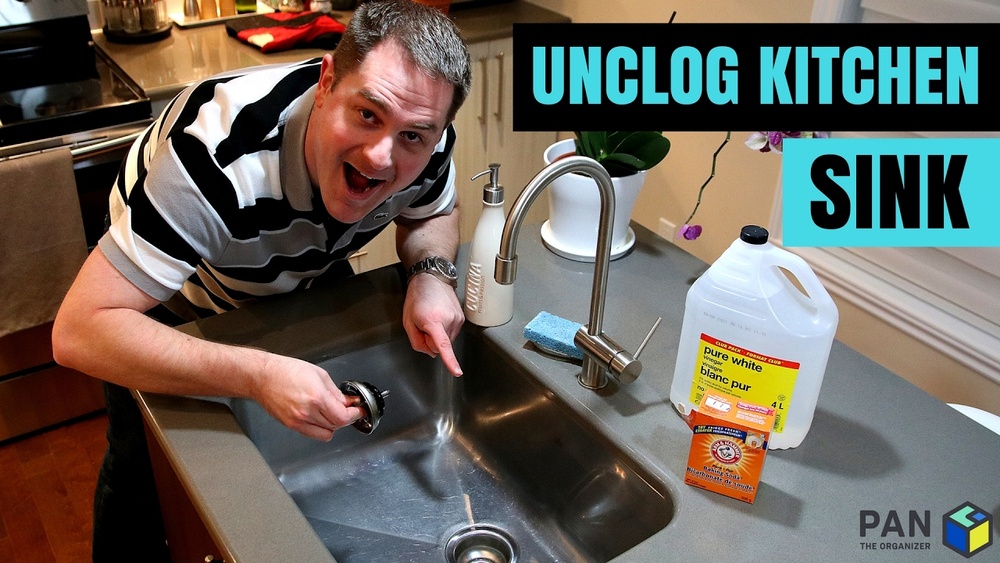
A clogged kitchen sink can stop your daily routine. Dirty water collects. Dishes pile up. You might feel stressed or frustrated. But you don’t need to panic or call a plumber right away. With some basic tools and a little knowledge, most people can unclog a kitchen sink themselves.
In this guide, you’ll learn step-by-step methods, tips, and common mistakes to avoid so you can get your sink draining smoothly again.
Why Kitchen Sinks Get Clogged
Kitchen sinks face a lot of use. Food scraps, grease, soap, and even small objects go down the drain every day. Over time, these materials can build up and cause a blockage. The most common reasons for a clogged kitchen sink include:
- Grease and fat: Cooking oil and fat stick to pipes, trapping food and forming clogs.
- Food debris: Even with a garbage disposal, some food scraps don’t break down well.
- Soap scum: Soap can combine with minerals in water, creating a hard, sticky layer.
- Foreign objects: Small things like bottle caps or utensils can get stuck.
- Buildup in the P-trap: The curved pipe under your sink collects debris.
Knowing these causes helps you choose the right method to fix the problem and prevent it in the future.
Safety First: What To Do Before You Start
Before unclogging a kitchen sink, take these safety steps:
- Turn off the garbage disposal if you have one. Never stick your hand inside it.
- Remove standing water with a cup or bowl. This makes it easier to see and work.
- Wear rubber gloves. Dirty water and sharp objects can be hidden in the sink.
- Clear the area under the sink. You’ll need space if you work with pipes.
These small steps make the job safer and cleaner.
Quick Assessment: How Bad Is The Clog?
Not all clogs are the same. Some are near the drain and easy to fix. Others are deep in the pipes. To check the severity:
- If water drains slowly, the clog is likely small or near the top.
- If water does not drain at all, the clog may be bigger or deeper.
- If both sides of a double sink are backed up, the clog is probably past where the drains join.
Understanding this helps you pick the best unclogging method.
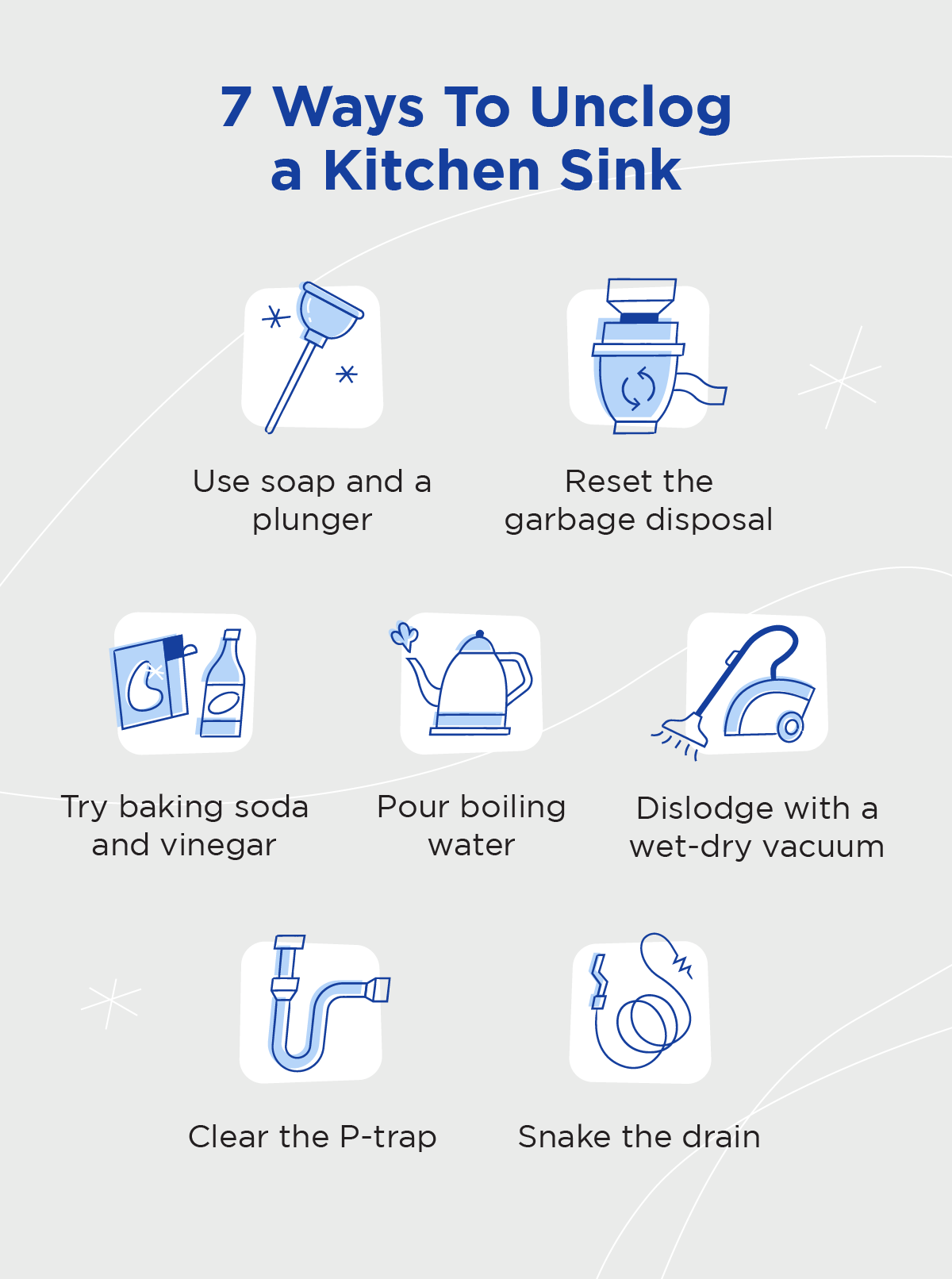
Seven Effective Ways To Unclog A Kitchen Sink
There are several proven techniques. Start with the easiest. If that doesn’t work, move to the next.
1. Boiling Water
This is the simplest method and works well for grease or soap clogs.
- Boil a full kettle or large pot of water.
- Pour the hot water slowly down the drain in stages.
- Wait a few minutes between each pour.
Hot water can melt and loosen grease. Repeat two or three times. If the water drains, you’ve solved the problem. If not, try another method.
2. Baking Soda And Vinegar
A mix of baking soda and vinegar can break down minor clogs naturally.
- Pour half a cup of baking soda into the drain.
- Add one cup of white vinegar.
- Let it fizz for 15-20 minutes.
- Flush with hot water.
This chemical reaction can dissolve small blockages. It’s safe for your pipes and the environment.
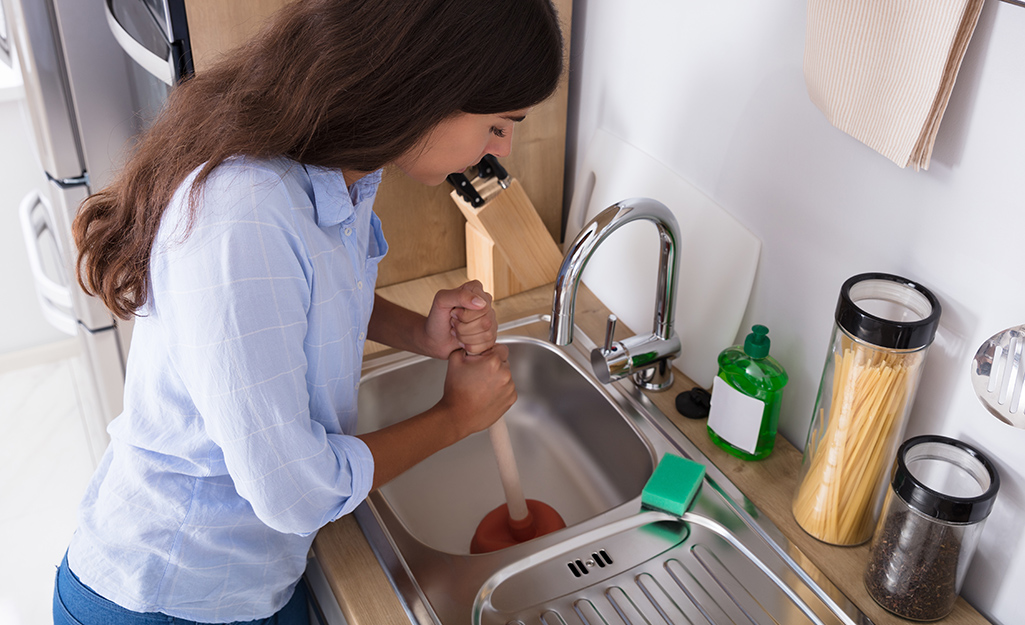
3. Plunging
A plunger is a classic tool for unclogging sinks.
- Fill the sink with enough water to cover the plunger cup.
- Seal the plunger over the drain and push down, then pull up quickly.
- Repeat 10-15 times with force.
If you have a double sink, block the other drain with a wet cloth to get better pressure. Plunging often works for food clogs.
4. Cleaning The P-trap
If the above steps fail, the P-trap (the U-shaped pipe under the sink) may be blocked.
- Place a bucket under the P-trap to catch water.
- Unscrew the slip nuts at both ends of the trap.
- Remove the trap and clean out debris.
- Reattach and test by running water.
Often, you’ll find a mass of grease or food here. Cleaning the P-trap is effective for stubborn clogs.
5. Using A Drain Snake (auger)
A drain snake or auger is a flexible tool that can reach deep clogs.
- Insert the snake into the drain and push until you feel resistance.
- Turn the handle to break up or pull out the clog.
- Retract the snake and remove debris.
- Run water to check if the drain is clear.
Manual snakes are enough for most kitchen sink clogs. Power augers are best for serious blockages.
6. Wet/dry Vacuum
If you own a wet/dry vacuum, it can suck out stubborn clogs.
- Set the vacuum to “liquid.”
- Seal the hose to the drain tightly with a wet cloth.
- Turn on the vacuum for 30 seconds.
- Check if the clog was removed.
This method works for clogs that are hard to reach or stuck tight.
7. Enzyme Drain Cleaners
Enzyme-based cleaners use natural bacteria to eat away organic matter.
- Pour the cleaner into the drain as directed.
- Let it sit (usually overnight).
- Flush with warm water in the morning.
Enzyme cleaners are safer than harsh chemicals but work more slowly. They are a good choice for regular maintenance or partial clogs.
Here’s a comparison of common unclogging methods:
| Method | Best For | Time Needed | Safety |
|---|---|---|---|
| Boiling Water | Grease, soap | 5-10 minutes | Very safe |
| Baking Soda & Vinegar | Minor clogs | 30 minutes | Very safe |
| Plunger | Food, soft clogs | 10-15 minutes | Safe |
| Clean P-Trap | Stubborn clogs | 15-30 minutes | Moderate |
| Drain Snake | Deep clogs | 20-40 minutes | Safe if careful |
| Wet/Dry Vacuum | Hard blockages | 10-20 minutes | Safe |
| Enzyme Cleaner | Organic buildup | 8-12 hours | Very safe |
Credit: www.mrrooter.com
When To Use Chemical Drain Cleaners
Many stores sell chemical drain cleaners that use strong chemicals to dissolve clogs. These can work, but use them with caution:
- Chemicals can damage old pipes, especially if used often.
- Fumes may be harmful to breathe.
- Not safe for septic systems.
If you decide to use a chemical cleaner, read the label and follow all instructions. Never mix drain cleaners with other cleaning products. For most homes, safer methods (like enzyme cleaners or mechanical tools) are better choices.
Common Mistakes To Avoid
Unclogging a kitchen sink is not difficult, but people often make mistakes that make things worse.
- Using too much force: Pushing a snake or plunger too hard can break pipes.
- Pouring chemicals after other attempts: Mixing chemicals with baking soda, vinegar, or hot water can release dangerous fumes.
- Ignoring the garbage disposal: If your sink has one, check it for jams before other steps.
- Not checking both sides of a double sink: A clog might be in the pipe that joins both drains.
- Skipping the P-trap: Many clogs are here, but people forget to check.
A little patience and the right order of steps will save time and trouble.
Preventing Future Kitchen Sink Clogs
It’s easier to stop clogs than fix them. Here are some habits that help:
- Avoid pouring grease or oil down the drain. Wipe pans with a paper towel instead.
- Use a sink strainer to catch food scraps.
- Run hot water for 10-15 seconds after using the sink.
- Clean the P-trap every few months.
- Limit use of garbage disposal for fibrous foods (like celery or potato peels).
A regular cleaning routine can keep your pipes clear. In fact, enzyme-based cleaners, used monthly, can prevent buildup.
Here’s a quick look at prevention versus repair:
| Action | Time per Month | Estimated Cost | Clog Risk Reduction |
|---|---|---|---|
| Boiling Water Flush | 10 minutes | Low | Medium |
| Enzyme Cleaner | 15 minutes | Moderate | High |
| Physical Cleaning (P-Trap) | 20 minutes | Low | High |
When To Call A Professional
Most kitchen sink clogs are simple to fix. But sometimes, it’s best to call a plumber:
- If water backs up in other fixtures (like the dishwasher or bathroom), the main drain may be blocked.
- If you hear gurgling noises, smell foul odors, or see water leaking under the sink.
- If you’ve tried several methods and nothing works.
Professional plumbers have special tools and experience. They can solve deep or complex problems quickly. For more detailed information about plumbing emergencies, you can read the article on plumbing emergencies.
Credit: www.homedepot.com
Non-obvious Insights Beginners Miss
Most people focus only on the visible part of the sink. But here are a few things beginners often overlook:
- Clogs can form in the dishwasher hose: If your dishwasher and sink share a drain, check the hose. Food particles can block it, causing water to back up in the sink.
- Air vents affect drainage: Many sinks have an air vent (an air admittance valve). If this is blocked or faulty, water may drain slowly even if there’s no physical clog.
- Water pressure matters: Low water pressure can make small blockages worse, as debris doesn’t clear from the pipes.
Checking these less obvious areas can save hours of frustration.
Frequently Asked Questions
How Do I Know If The Clog Is In The P-trap Or Deeper In The Pipe?
If removing and cleaning the P-trap does not fix the problem, the clog is likely deeper in the pipe or the wall. Try a drain snake or call a plumber if needed.
Is It Safe To Use Chemical Drain Cleaners For A Kitchen Sink?
Chemical cleaners can clear clogs, but they can also damage pipes, especially if you have old or PVC plumbing. They can also be dangerous if mixed with other substances. Safer options include enzyme-based cleaners or manual unclogging methods.
Can I Use A Plunger On A Double Kitchen Sink?
Yes, you can use a plunger on a double sink, but make sure to seal the other drain with a wet cloth or stopper. This helps create enough pressure to move the clog.
What Foods Should I Never Put Down The Kitchen Sink?
Avoid putting grease, coffee grounds, egg shells, pasta, rice, and fibrous vegetables (like celery or potato peels) down your sink. These items often cause clogs.
How Often Should I Clean My Kitchen Sink Drain To Prevent Clogs?
A good routine is to flush your drain with hot water weekly and use an enzyme cleaner monthly. Regularly clean the sink strainer and avoid letting food or grease go down the drain.
A clogged kitchen sink can be a hassle, but you can solve most problems with simple tools and a little effort. By understanding the causes, using the right technique, and taking steps to prevent future clogs, you’ll keep your kitchen running smoothly. If all else fails, don’t hesitate to call a professional plumber—sometimes expert help saves time and money. For more tips on home maintenance, visit Family Handyman for helpful resources.
:max_bytes(150000):strip_icc()/how-to-unclog-a-kitchen-sink-2718799_sketch_FINAL-6d86f43bcb464f8ca5b61f240c2d8bf9.png)
Credit: www.thespruce.com