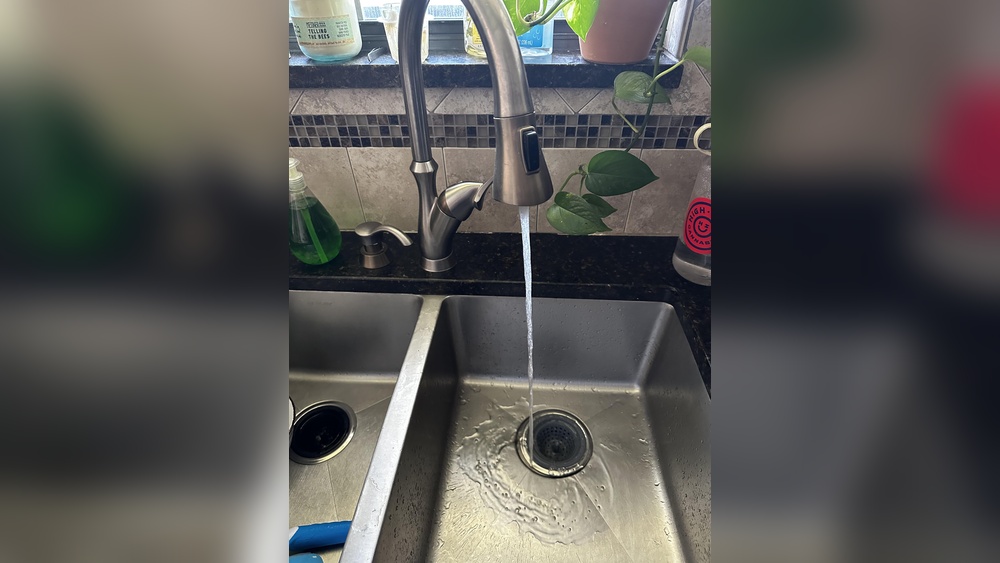
Are you frustrated every time you turn on your kitchen faucet and only a thin stream comes out? Low water pressure at the kitchen sink is a common problem, but it can be solved with the right steps. Improving water pressure can make cooking, cleaning, and daily tasks easier.
In this guide, you’ll learn how to increase water pressure kitchen sink, understand why pressure drops, and find practical solutions you can use today.
Many people think they must call a plumber immediately, but that’s not always true. Sometimes, the fix is simple—like cleaning your faucet or changing a small part. In other cases, you might need to check your pipes or talk to your water company.
This article will walk you through every step, from basic checks to advanced fixes, using clear explanations and real-life tips. Whether you’re a homeowner, renter, or just want to understand your kitchen plumbing better, you’ll find everything you need here.
—
Why Does Low Water Pressure Happen At The Kitchen Sink?
Understanding why your kitchen sink’s water pressure drops is the first step to fixing it. There are many possible causes, and some are easier to solve than others.
Common Causes Of Low Water Pressure
1. Clogged Aerator
The aerator is a small screen at the tip of your faucet. Over time, minerals or debris can block it, slowing water flow.
2. Partially Closed Shut-off Valves
Valves under the sink control water flow. If they’re not fully open, you’ll get less pressure.
3. Faulty Faucet Cartridge
Inside most modern faucets is a cartridge that controls water mix and flow. If it’s worn out or blocked, pressure can drop.
4. Pipe Leaks Or Blockages
Leaks or clogs in your pipes reduce the amount of water reaching your sink.
5. Old Or Corroded Pipes
Rust or mineral buildup inside pipes narrows the space for water, lowering pressure.
6. Problems With Municipal Water Supply
Sometimes, the issue isn’t in your home. Local repairs or high demand can drop pressure temporarily.
7. Water Pressure Regulator Issues
Some homes have a pressure regulator. If it fails, your whole house may have low pressure.
Signs That Pressure Is Low
- Slow water flow when using hot, cold, or both
- Weak spray when rinsing dishes
- Other faucets in your home work fine, but the kitchen sink is weak
Knowing the cause will help you choose the right solution. Let’s move to practical steps you can try.
—
Quick Checks Before You Start
Before you grab your tools, do these simple checks. Sometimes, a quick fix is all you need.
1. Test Other Faucets
If only the kitchen sink is affected, the problem is likely local. If all taps are weak, it’s a larger issue.
2. Check Both Hot And Cold Water
If only one side is weak (hot or cold), the problem might be with your water heater or a specific supply line.
3. Inspect For Visible Leaks
Look under the sink and along pipes for drips or puddles. Even a small leak can lower pressure.
4. Ask Neighbors
If your neighbors have the same issue, the city water supply could be the reason.
These quick checks help you focus on the right solution and avoid wasting time.
—
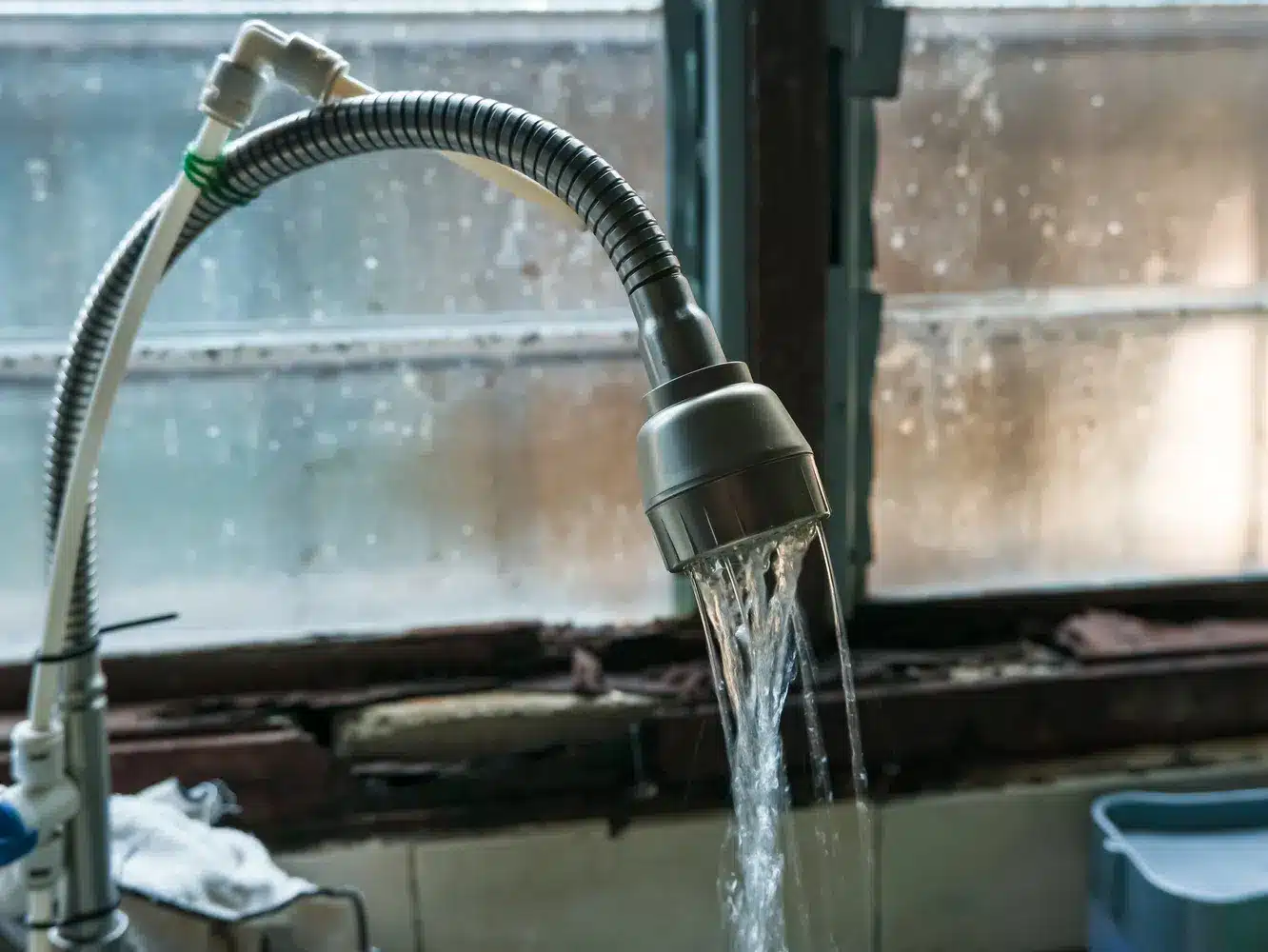
Credit: boggsinspect.com
Step-by-step Solutions To Increase Water Pressure At The Kitchen Sink
Let’s go through the best ways to boost your kitchen sink’s water pressure. Start with the easiest fixes and move to bigger solutions if needed.
1. Clean The Faucet Aerator
The aerator is a small part but often causes big problems. Cleaning it usually takes less than 10 minutes.
How to Clean the Aerator:
- Unscrew the aerator from the tip of your faucet (use your hand or pliers with a cloth to avoid scratching).
- Check for dirt or mineral deposits.
- Rinse the aerator parts under running water. Use a small brush or old toothbrush for stubborn debris.
- Soak in vinegar for 30 minutes if there’s heavy buildup.
- Reassemble and screw it back onto the faucet.
Tip: If water pressure jumps back to normal, you’ve solved the problem!
2. Fully Open The Shut-off Valves
Under the sink, you’ll find two valves—one for hot and one for cold water. If they’re partly closed, pressure drops.
- Turn the valves counterclockwise all the way (don’t force them if they’re stuck).
- Test the faucet.
Sometimes, valves get bumped during cleaning or repairs, so this simple check often helps.
3. Check And Replace The Faucet Cartridge
A faulty cartridge can block water flow. Here’s how to check and replace it:
- Turn off both shut-off valves under the sink.
- Remove the faucet handle (you may need a screwdriver or hex key).
- Pull out the cartridge (check your faucet model for exact steps).
- Inspect for blockages or wear.
- Replace with a matching cartridge if needed.
- Reassemble and turn valves back on.
Note: Always bring your old cartridge to the store to match the replacement.
4. Look For Pipe Leaks Or Blockages
If cleaning the aerator and cartridge doesn’t help, check your pipes:
- Feel along pipes under the sink for moisture.
- Look for green or white buildup (signs of leaks or corrosion).
- Listen for dripping sounds behind walls.
If you find leaks, it’s best to call a plumber. For clogs, you can sometimes clear them with a plumber’s snake, but avoid using harsh chemicals as they can damage pipes.
5. Remove Mineral Deposits In Pipes
Hard water leaves mineral deposits inside pipes. Over years, these deposits narrow the pipe diameter.
Signs Of Mineral Buildup
- Pressure drops slowly over months or years
- White or green crust around pipe joints
What to do:
If the buildup is minor, you can use vinegar or a commercial descaler. For severe buildup, pipe replacement may be needed.
6. Inspect And Replace Old Pipes
Homes built before the 1970s often have galvanized steel pipes. These rust and clog over time.
How to check pipe age:
- Check your home’s building records.
- Look for grayish, threaded pipes (galvanized steel).
If your pipes are old, replacing them with copper or PEX can double your pressure and improve water quality.
7. Check The Water Pressure Regulator
Some homes have a regulator (often near the main water line). If it fails, pressure drops everywhere.
- Find the regulator and look for a bolt or screw on top.
- Use a pressure gauge on an outside tap to measure pressure (normal is 40–60 psi).
- Adjust the regulator slightly (turn clockwise to increase), but don’t exceed 80 psi.
If the regulator is faulty, replace it or call a plumber.
8. Flush The Water Heater
If only the hot water is weak, sediment in your water heater could be the issue.
- Turn off the heater and the cold water supply.
- Attach a hose to the drain valve and direct it outside or to a drain.
- Open the valve and let water and sediment flow out.
- Close the valve, refill the tank, and turn the heater back on.
Flushing once a year can prevent problems and boost hot water pressure.
9. Upgrade Your Faucet
Older faucets are less efficient and can develop internal blockages.
- Choose a modern kitchen faucet designed for higher flow.
- Look for models with a removable aerator and easy cartridge replacement.
New faucets often increase both pressure and style in your kitchen.
10. Install A Booster Pump
If your home’s main pressure is always low (below 40 psi), a booster pump can help.
- Booster pumps increase pressure for the whole house or just one area.
- Choose a pump rated for your home’s water needs (check flow rate and psi).
- Installation is best done by a plumber, but some DIY kits are available.
Note: This is a big investment. Try other fixes first.
—
Comparing Solutions: Cost, Difficulty, And Effectiveness
Choosing the right fix depends on your budget, skill, and how bad the problem is. Here’s a comparison to help you decide:
| Solution | Cost | DIY Difficulty | Effectiveness |
|---|---|---|---|
| Clean Aerator | Free | Easy | High (if aerator is blocked) |
| Open Valves | Free | Very Easy | High (if valves are closed) |
| Replace Cartridge | $10–$50 | Medium | High (if cartridge is faulty) |
| Check for Leaks | Free–$150 | Medium | High (if leaks found) |
| Replace Pipes | $200–$2,000+ | Hard | Very High |
| Install Booster Pump | $300–$900 | Hard | Very High |
—
Common Mistakes When Trying To Increase Water Pressure
It’s easy to make mistakes when fixing water pressure. Avoid these common errors:
- Using harsh chemicals: They can damage pipes and faucets, especially older systems.
- Ignoring leaks: Small leaks can become big problems and waste water.
- Forcing valves or parts: This can break fittings or strip threads.
- Replacing faucets without checking supply lines: Sometimes, the faucet is fine but pipes are blocked.
- Skipping regular maintenance: Clean aerators and flush heaters every year to prevent problems.
—
When To Call A Professional
Some water pressure issues are too complex or risky for DIY. Call a plumber if:
- You find leaks inside walls or floors.
- Pipes are very old or corroded.
- Water pressure is low throughout your house and neighbors have normal pressure.
- You’re not comfortable replacing major parts.
Professional help can save time and prevent damage.
—
Real-life Examples: Success Stories
Case 1:
A family noticed their kitchen sink was weak, but other sinks were fine. Cleaning the aerator doubled their water flow in five minutes.
Case 2:
In an older home, only hot water was slow. Flushing the water heater removed sediment, restoring normal pressure.
Case 3:
A homeowner with low pressure everywhere discovered a faulty pressure regulator. After replacement, the whole house improved.
These stories show that small fixes often work, but sometimes bigger repairs are needed.
—
Tools And Materials You Might Need
If you plan to do repairs yourself, gather these items:
- Adjustable wrench
- Screwdrivers (Phillips and flathead)
- Plumber’s tape
- Replacement aerator or cartridge (if needed)
- White vinegar (for cleaning)
- Pressure gauge (for testing)
- Bucket and towels (for leaks)
- Flashlight
Having the right tools makes the job faster and safer.
—
How To Measure Your Water Pressure
To know if your changes work, measure your pressure:
- Buy a water pressure gauge (available at hardware stores).
- Attach it to an outdoor spigot or the cold side of your kitchen faucet (remove aerator first).
- Turn on the tap fully and read the gauge.
Normal kitchen sink pressure is 40–60 psi. Below 40 psi is low; above 80 psi can damage plumbing.
—
Table: Water Pressure Levels And What They Mean
| Pressure (psi) | What It Means | Action Needed? |
|---|---|---|
| Below 30 | Very Low, Hard to Use Sink | Yes, Fix Needed |
| 30–40 | Low, Annoying for Daily Use | Check for Blockages |
| 40–60 | Normal, Good for Most Homes | No Action |
| 60–80 | High, Can Cause Wear | Consider Pressure Regulator |
| Over 80 | Too High, Risk of Damage | Install Pressure Regulator |
—
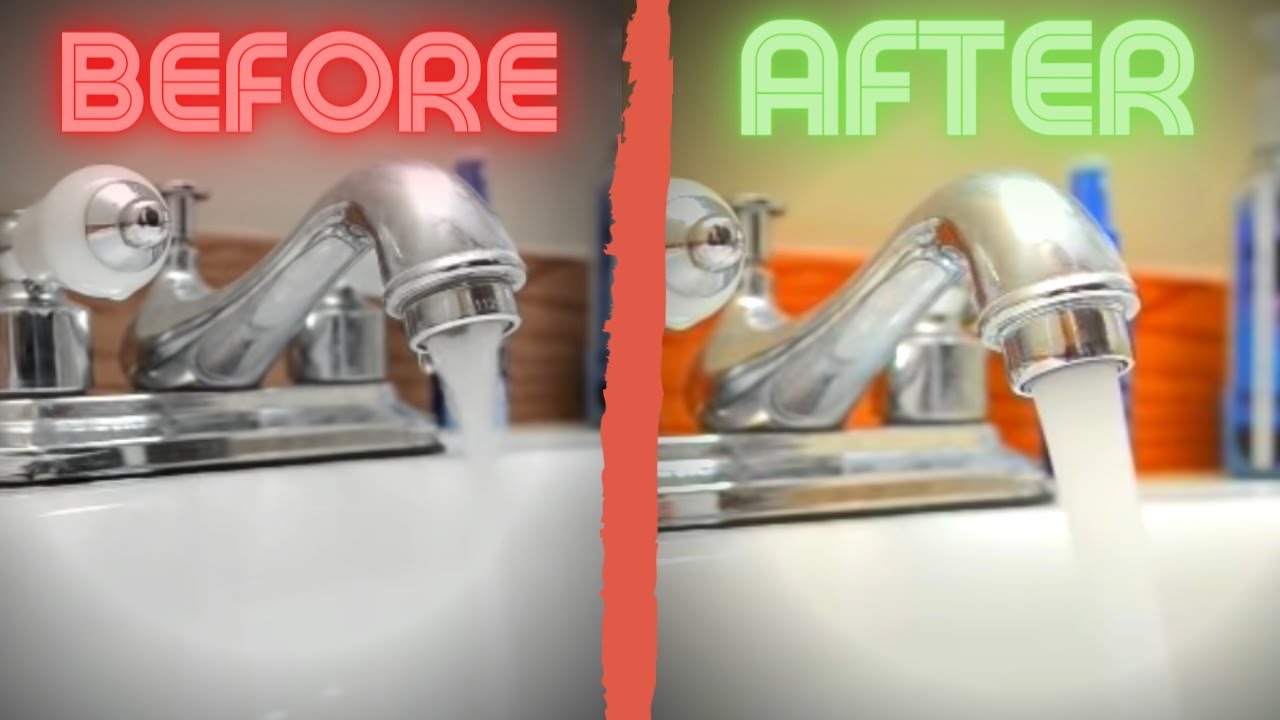
Credit: www.youtube.com
Preventive Tips To Keep Water Pressure High
Once you’ve fixed your kitchen sink, use these tips to keep pressure strong:
- Clean your faucet aerator every 3–6 months.
- Flush your water heater yearly.
- Replace old pipes before they cause trouble.
- Don’t ignore small leaks—fix them fast.
- Test your water pressure yearly with a gauge.
These habits save money and prevent stress later.
—
Smart Upgrades For Long-term Water Pressure
If you want a permanent solution, consider these upgrades:
1. Switch To Pex Or Copper Pipes:
They resist corrosion and buildup, keeping pressure high for decades.
2. Install A Modern Pressure Regulator:
This protects your whole plumbing system.
3. Choose Water-efficient Faucets:
They provide good flow without wasting water.
- Add a booster pump if your supply is always weak:
This is essential for some homes with low city water pressure.
—

Credit: www.wikihow.com
The Truth About “miracle” Pressure Devices
Some products promise to boost your water pressure instantly. Be careful—most are not effective. Real improvement comes from fixing the actual cause: cleaning, repairing, or upgrading your plumbing.
Pro tip: If it sounds too good to be true, it probably is. Always research before buying any device.
—
Internal Resources For More Help
If you want to learn more about kitchen plumbing basics, check our in-depth guide for beginners on common kitchen sink problems and solutions.
—
Frequently Asked Questions
What Is A Normal Water Pressure For A Kitchen Sink?
Normal water pressure is 40 to 60 psi. This allows you to wash dishes, rinse vegetables, and fill pots quickly. If your pressure is much lower, daily tasks become frustrating.
Can I Increase Kitchen Sink Water Pressure Without A Plumber?
Yes, you can! Cleaning the aerator, checking valves, and replacing cartridges are simple tasks most people can do. However, for leaks or pipe replacements, professional help is safest.
Why Is Only My Kitchen Sink’s Water Pressure Low?
Often, the aerator or the faucet itself is blocked. Sometimes, the supply line to the kitchen is partially closed or clogged. If other faucets are fine, the problem is usually local to the kitchen.
Does A New Faucet Always Increase Water Pressure?
Not always. A new faucet can help if the old one is clogged or broken. But if your pipes or supply lines are blocked, changing the faucet alone won’t fix the problem.
How Often Should I Clean My Kitchen Faucet Aerator?
Clean your aerator every 3 to 6 months. This prevents buildup and keeps water flowing freely. In areas with hard water, clean it more often.
—
Improving your kitchen sink’s water pressure is possible with simple steps and a little knowledge. Start with the easy fixes, pay attention to regular maintenance, and don’t hesitate to call a professional for bigger issues. With these tips, you’ll enjoy strong, steady water flow for years to come.
For more details on water pressure and plumbing basics, visit the EPA’s WaterSense resource.
Meta Description:
Tired of low water flow? Learn how to increase water pressure kitchen sink with easy fixes, expert tips, and proven solutions. Boost your kitchen water pressure today!