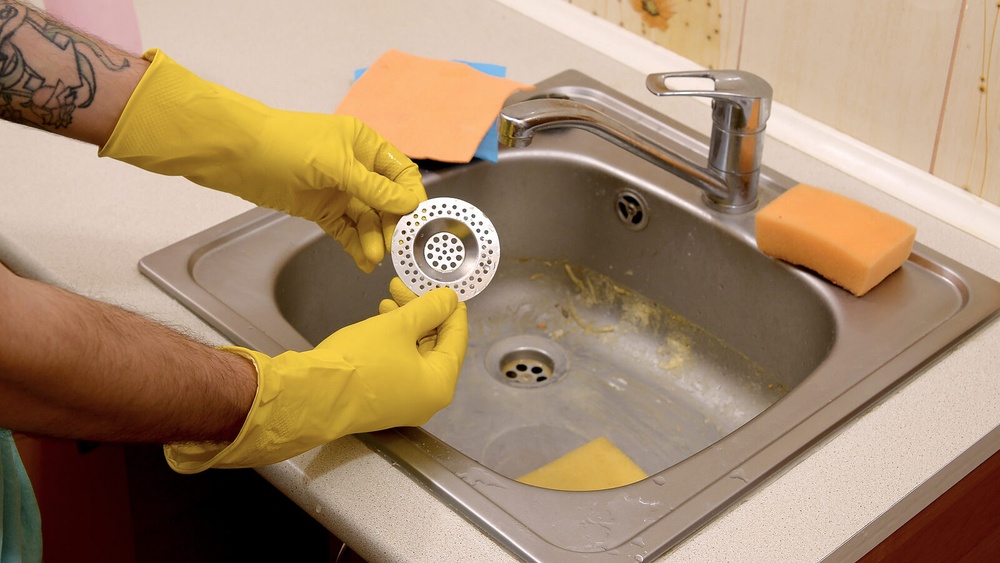
A bad smell under your kitchen sink can make the whole kitchen unpleasant. You may notice it when you open the cabinet to throw out trash or reach for cleaning products. Sometimes, the odor is strong enough to spread throughout your home.
Getting rid of this smell is not only about comfort, but also about health and cleanliness. Many people try air fresheners or sprays, but these only cover up the problem for a short time. If you want to solve the issue completely, you need to find the source, clean it, and prevent it from coming back.
In this guide, you will learn practical methods, common mistakes, and expert tips to remove bad smells under your kitchen sink for good.
Why Does My Kitchen Sink Smell Bad?
Most kitchen sinks have a cabinet below. This area is often dark, damp, and rarely cleaned. Here are the main reasons for the bad smell under kitchen sink:
- Food residue: Small bits of food often end up in the drain or get stuck in the garbage disposal.
- Standing water: Leaks or spilled water can cause mold or mildew to grow.
- Pipe issues: Blocked pipes or traps can hold dirty water and debris.
- Trash and cleaning products: Old garbage bags or spilled chemicals can create strong smells.
- Pests: Rodents or insects may nest below the sink if food or water is available.
Sometimes, the smell is a mix of several issues at once, which makes it tricky to solve. For example, a slow leak might go unnoticed for weeks, soaking the wood at the bottom of the cabinet. This damp area then collects dust and food crumbs, leading to mold and bacteria growth.
Meanwhile, a forgotten sponge or an old trash bag can add to the bad odor. The space under your sink is often crowded, making it easy to miss these problems.
Understanding the cause is the first step. If you know where the smell is coming from, you can choose the right solution.
Step-by-step Guide To Remove Bad Smell Under Kitchen Sink
Getting rid of the smell under your kitchen sink is a process. Follow these steps to clean and freshen the area.
1. Empty The Cabinet
Take out all items under the sink, including trash bins, cleaning supplies, and old sponges. This lets you see the whole area and find hidden sources of odor.
- Check for spilled liquids or spoiled food.
- Look for signs of pests, such as droppings or nests.
- Sometimes items at the very back, like unused cleaners or rarely touched containers, are the ones causing the odor. Inspect everything, even if it looks clean from the outside.
2. Inspect For Leaks And Moisture
Leaks are a common cause of bad smells. Water under the sink can lead to mold, mildew, and bacteria.
- Run water through the sink for a few minutes.
- Check pipes, fittings, and the bottom of the cabinet for damp spots.
- If you find a leak, fix it immediately.
Even tiny drips can cause big problems over time. Sometimes, the leak is not from the pipes but from the faucet base or the dishwasher hose connected nearby. Use a dry cloth to feel around every pipe and joint for hidden wet spots.
Common Leak Areas
| Location | Signs of Leak | Action Needed |
|---|---|---|
| Pipe joints | Water stains, moisture | Tighten joints or replace washers |
| Sink drain | Dripping, odor | Seal drain or call plumber |
| Garbage disposal | Wet area, loud noise | Check connection, repair if needed |
If you see swelling or warping of the cabinet base, this is a sign that water has been leaking for some time. Address these issues right away to avoid long-term damage.
3. Clean All Surfaces
Once the area is empty and dry, clean every surface. Use a mixture of warm water and mild dish soap. For tougher stains or mold, add a bit of white vinegar.
- Scrub the cabinet walls, floor, and pipes.
- Wipe all bottles, bins, and containers before returning them.
Don’t forget to clean the inside of the cabinet doors and the corners where grime can collect. Use an old toothbrush to reach tight spaces, especially where the pipes meet the cabinet wall. For wooden cabinets, avoid soaking the surface—use a damp cloth instead.
Avoid strong bleach unless there is mold, as it can damage surfaces and leave its own smell. If you use vinegar, let the area air out to remove the vinegar scent.
4. Remove Mold And Mildew
Mold and mildew not only smell bad, but can also be harmful. If you see black, green, or white spots, you need to clean them carefully.
- Wear gloves and a mask to protect yourself.
- Mix equal parts water and white vinegar in a spray bottle.
- Spray the affected area and let it sit for 15 minutes.
- Scrub with a brush or sponge.
- Dry the area fully.
Mold can sometimes hide behind the baseboard or in cracks. If you can remove a section of the cabinet base (many are removable), check underneath for hidden mold. For stubborn spots, repeat the cleaning process or use a baking soda paste for extra scrubbing power.
If mold keeps coming back, check for hidden leaks or poor ventilation. If you smell a musty odor but do not see mold, it may be growing behind the cabinet or wall. In this case, it’s wise to consult a professional.
5. Check The Sink Drain And Trap
Most kitchen sinks have a P-trap under the drain. This U-shaped pipe holds water to block smells, but can also trap food and debris.
- Place a bucket under the trap.
- Unscrew the trap and empty its contents.
- Clean it with a brush and warm soapy water.
- Screw it back on tightly.
Sometimes, the smell is due to a dry P-trap, especially if the sink is rarely used. Just running water for a minute can refill the trap and stop the smell. Also, check for mineral buildup inside the trap, which can trap food particles and bacteria.
If you are not comfortable with plumbing, ask a professional.
Comparing Drain Cleaning Methods
| Method | Effectiveness | Safety | Cost |
|---|---|---|---|
| Manual cleaning | Very high | Safe | Low (basic tools) |
| Chemical cleaners | High | Can damage pipes | Medium |
| Professional plumber | Very high | Safe | High |
Manual cleaning is often enough for regular maintenance. Chemical cleaners can be effective but should not be used too often, as they may corrode pipes over time. Always follow safety instructions on the product.
6. Clean The Garbage Disposal
If your sink has a garbage disposal, it can hold old food and bacteria.
- Turn off the disposal and unplug it.
- Use tongs to remove any visible debris.
- Pour a mixture of ice cubes and salt into the disposal and run it for 30 seconds.
- Rinse with cold water.
- Cut a lemon in half and run it through the disposal for a fresh scent.
For deeper cleaning, sprinkle baking soda into the disposal, then pour in vinegar. Allow it to foam for a few minutes before rinsing with hot water. This removes grease and neutralizes odor-causing bacteria.
Avoid putting fibrous foods or grease in the disposal to prevent future smells. Foods like celery, onion skins, and potato peels can wrap around the blades and cause clogs. Run plenty of water after each use.
7. Sanitize The Area
After cleaning, sanitize surfaces to kill bacteria. Use a mild disinfectant spray or diluted bleach solution (1 part bleach to 10 parts water).
- Spray and let sit for 5 minutes.
- Wipe dry with a clean cloth.
This step is important if you found mold, pests, or strong odors. For extra safety, wipe down all handles and bottle caps that you touch frequently.
8. Replace Old Trash Bins And Cleaning Supplies
Trash bins often hold smells even after emptying. Old sponges, rags, or cleaning products can also smell.
- Wash bins with warm, soapy water.
- Replace bins, bags, and sponges if they still smell.
- Store cleaning products upright and tightly closed.
Also, check if your bin has cracks or scratches that can trap bacteria. Use liners or bags that fit well, and empty the bin before it overflows. For cleaning supplies, avoid keeping open bottles of strong-smelling chemicals under the sink.
9. Improve Ventilation
Poor airflow under the sink can trap smells. Improving ventilation helps prevent odor buildup.
- Leave the cabinet doors open for a few hours after cleaning.
- Install a small vent or air filter if possible.
- Place moisture-absorbing products, like baking soda or charcoal, under the sink.
In humid climates, consider using a small battery-powered fan for a few hours each day to keep air moving. Good ventilation also helps prevent mold and mildew growth.
10. Use Natural Odor Absorbers
Many products can absorb odors naturally.
- Place a bowl of baking soda under the sink to absorb smells.
- Try activated charcoal for stronger odors.
- Use coffee grounds for a pleasant scent.
You can also use a small cotton bag filled with dried lavender, which adds a gentle, natural smell. Replace these odor absorbers every 2–4 weeks for best results. Make sure not to block airflow with too many items.
11. Prevent Future Odors
Keeping your kitchen sink area clean is the best way to prevent smells from returning.
- Wipe spills immediately.
- Check for leaks monthly.
- Clean the P-trap every 3–6 months.
- Take out trash regularly.
- Avoid pouring grease or food scraps down the drain.
It’s helpful to set a reminder on your phone or calendar for regular checks. Quick, small actions can stop big problems before they start.
12. Deal With Pest Problems
If you find signs of pests, such as droppings or nests, act quickly.
- Seal gaps and cracks around pipes and walls.
- Use safe pest control products or traps.
- Keep the area dry and free from food.
Check behind and under the trash bin, as pests often hide there. If you suspect rodents, look for gnaw marks on plastic or wood. Clean the area thoroughly before setting traps, as pests are attracted to old food smells.
For larger infestations, call a professional pest control service.
13. Try Commercial Odor Removers
There are many odor-removing sprays and gels made for kitchen sinks. Look for products that are safe for pets and children.
- Read labels carefully.
- Avoid products with strong chemicals if you have allergies.
- Use as directed for best results.
Some odor removers use enzymes to break down organic material. These are effective for long-lasting odors but may take a few hours to work. Always ventilate the area after using any commercial product.
14. Consider Professional Help
If the smell will not go away, even after cleaning, there may be a hidden plumbing issue.
- Call a plumber to inspect pipes, drains, and garbage disposal.
- Ask about mold testing if you suspect a health risk.
- Professionals can use advanced tools to find leaks or blockages.
Sometimes, the problem is deeper in the plumbing or behind the walls. A professional can use a camera to check pipes and find the exact source of the smell, saving you time and frustration.
15. Monitor Regularly
After solving the smell problem, keep checking under your kitchen sink.
- Look for new leaks, damp spots, or pests.
- Clean and sanitize every few months.
- Replace odor absorbers and check ventilation.
If you notice any change in smell, act quickly before the problem gets worse. Regular checks are simple but very effective for a fresh kitchen.

Credit: www.reddit.com
Common Mistakes When Removing Smell Under Kitchen Sink
Even with good intentions, some common mistakes can make the problem worse or return faster. Avoid these errors:
- Ignoring leaks: If you do not fix leaks, cleaning will not solve the problem.
- Using only air fresheners: Sprays and scents hide the smell but do not remove the cause.
- Pouring grease down the drain: Grease can harden and block pipes, leading to more smells.
- Skipping regular cleaning: Waiting too long between cleanings lets smells build up.
- Using too much bleach: Strong bleach can damage surfaces and create dangerous fumes.
- Not checking the garbage disposal: Food trapped here can be the main source of bad odors.
- Forgetting to replace old sponges or bins: These can hold bacteria and smells for months.
Another mistake is using too many different cleaners at once. Mixing chemicals can create harmful fumes. Stick to one cleaning method at a time and rinse thoroughly before switching to another product.
How To Identify The Source Of The Smell
Sometimes, the source of the bad smell is not obvious. Here are some ways to find it:
- Smell each area: Get close to the pipes, trash bin, and cleaning products.
- Look for stains or mold: Brown, black, or green marks can show leaks or mold.
- Check for pests: Look for droppings, nests, or gnawed items.
- Inspect the drain: Run water and see if the smell gets stronger.
- Use a flashlight: Look into corners and behind pipes for hidden problems.
If you notice the smell only when using hot water, this can mean there is a problem with the hot water pipes or heater. In older homes, sometimes old plumbing materials can also give off a strange smell when wet.
Identifying the source lets you target your cleaning for better results.
Comparing Natural And Chemical Odor Removal Methods
Some people prefer natural methods, while others use chemical products. Here is a simple comparison to help you choose.
| Method | Pros | Cons |
|---|---|---|
| Baking soda | Safe, cheap, absorbs odors | Needs regular replacement |
| Activated charcoal | Strong absorption, lasts longer | More expensive |
| Chemical sprays | Quick, powerful | May cause allergies, not eco-friendly |
| Essential oils | Nice scent, safe | Masks smell, does not remove cause |
Natural methods are best for ongoing maintenance, while chemical sprays may be needed for tough or emergency situations. Always test a small area first to avoid damaging surfaces.
How Often Should You Clean Under Your Kitchen Sink?
Regular cleaning is important to keep the area fresh. Here are some guidelines:
- Weekly: Empty trash, wipe spills, check for leaks.
- Monthly: Clean the cabinet, replace odor absorbers, inspect for pests.
- Every 3–6 months: Deep clean pipes, P-trap, and garbage disposal.
If you have pets or young children, consider cleaning more often to avoid accidental messes or spills. Seasonal changes can also bring new challenges, like increased humidity in summer.
Following this schedule makes smells less likely to return.
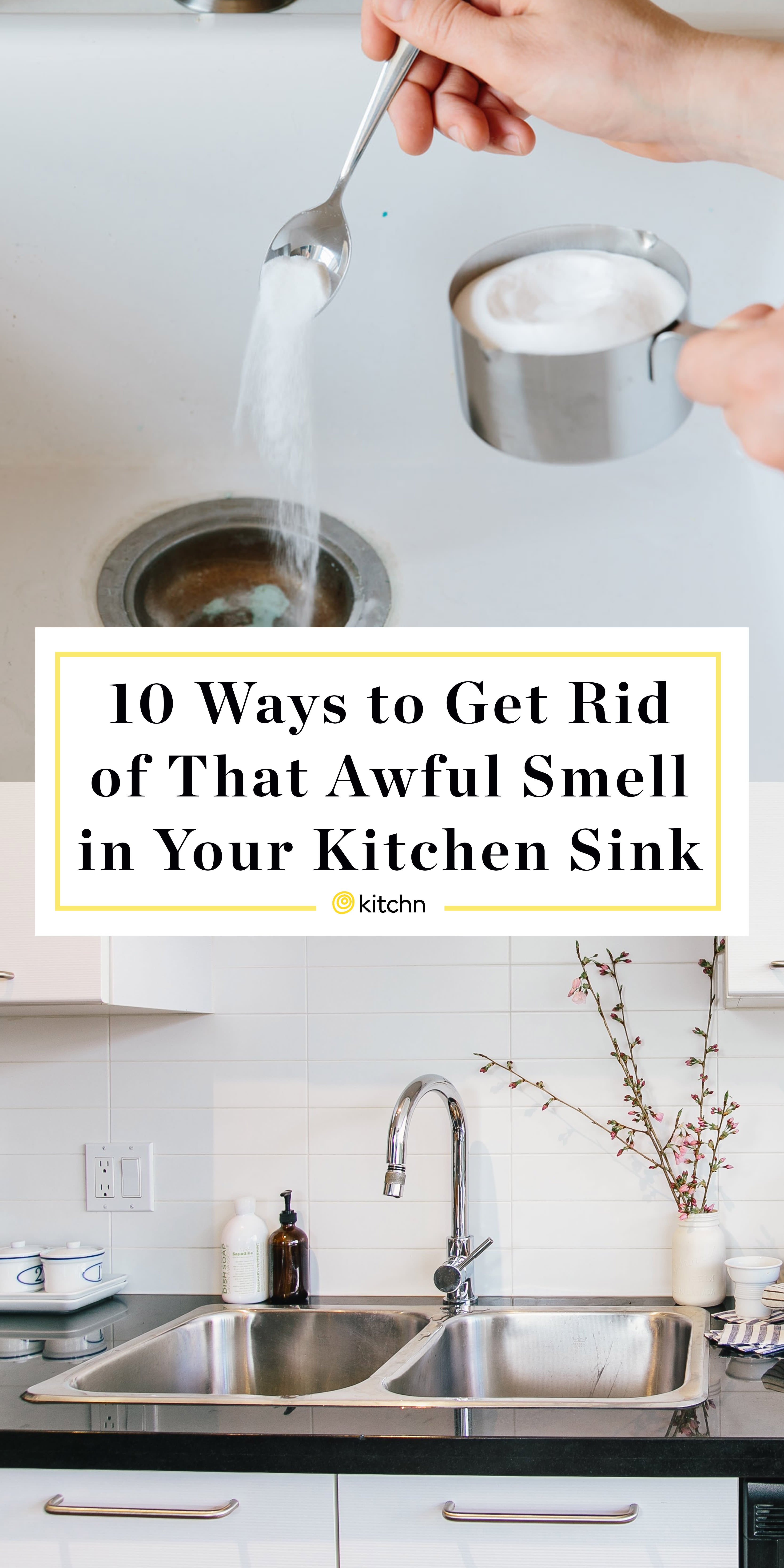
Credit: www.thekitchn.com
Practical Tips For A Fresh Kitchen Sink Area
Here are some expert tips that go beyond basic cleaning:
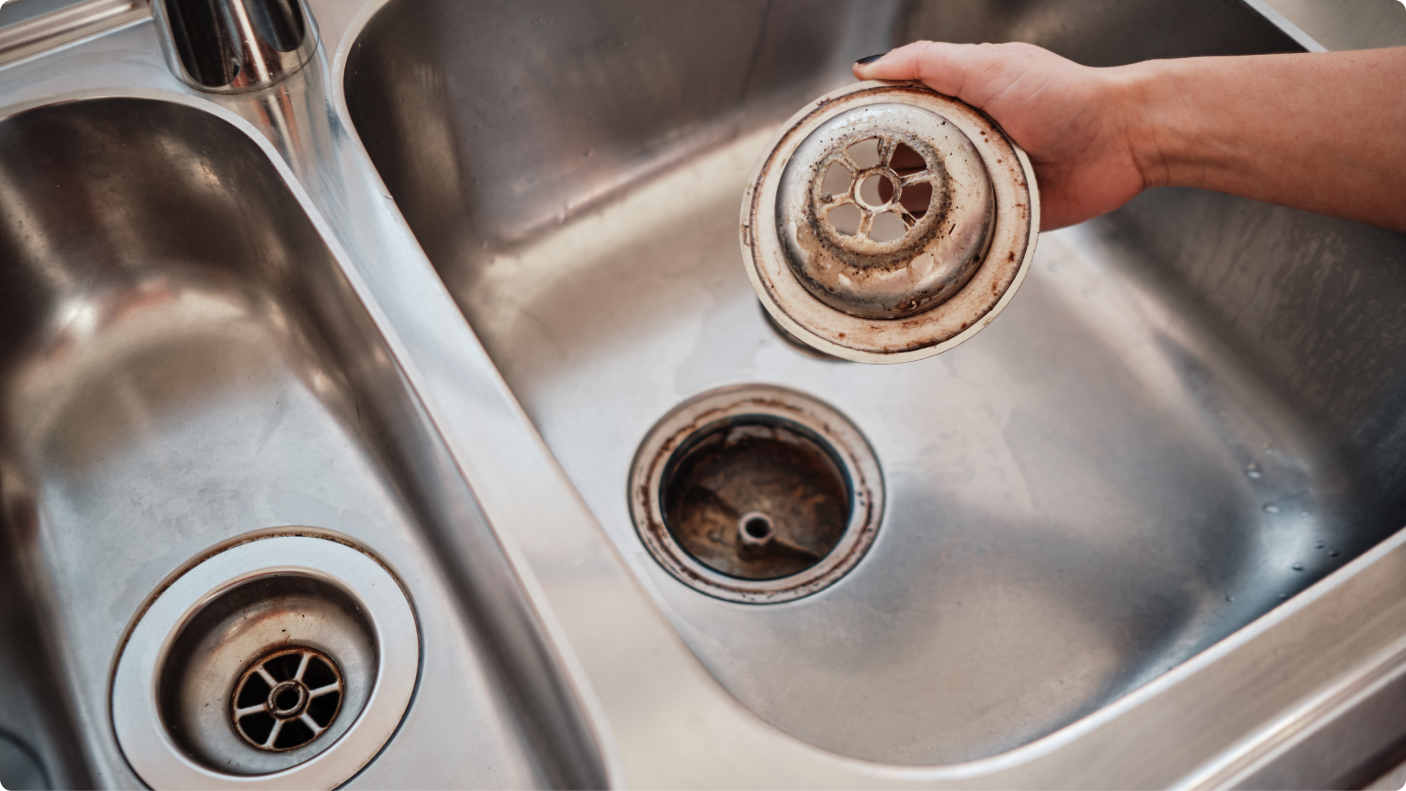
- Use a sink strainer to catch food bits before they go down the drain.
- Store cleaning products in sealed containers to avoid chemical smells.
- Label bins and bottles so you can find leaks or spills easily.
- If you travel or leave home for weeks, run water through the sink and open cabinet doors before leaving.
- For stubborn smells, mix baking soda and white vinegar, pour down the drain, and let sit for 15 minutes before rinsing.
- Line your trash bin with newspaper before adding a bag to soak up liquids and prevent smells.
- Consider a motion-activated light inside the cabinet. This makes it easier to spot leaks and messes quickly.
These steps add extra protection against bad odors.
Insights Beginners Often Miss
Many people overlook these important details:
- Pipe insulation: Uninsulated pipes can sweat and create moisture under the sink, leading to mold and smells. Insulating pipes prevents this.
- Cabinet liner: Adding a washable liner protects your cabinet floor from spills and makes cleaning easier.
- Hidden gaps: Small gaps behind pipes or at the back of the cabinet can hide food and moisture. Check these regularly.
- Check vent pipes: If your kitchen plumbing has a vent pipe and it gets blocked, sewer gases can enter the home through the sink. If you smell a rotten egg odor, ask a plumber to inspect the vent.
Taking care of these small details can save you from bigger problems later.
Credit: www.liquidplumr.com
When To Call A Professional
Not every smell is easy to fix. If you notice any of these signs, you may need expert help:
- The smell is very strong and returns quickly after cleaning.
- You see large patches of mold or mildew.
- The pipes are blocked or damaged.
- You find pests that you cannot remove.
A professional plumber or pest control service can solve problems that basic cleaning cannot. They may also help prevent structural damage or health risks that can happen if smells are ignored for too long.
Environmental And Health Considerations
Cleaning under the kitchen sink should be safe for your family and the environment.
- Avoid strong chemicals if you have children or pets.
- Choose natural cleaners like vinegar, baking soda, or eco-friendly sprays.
- Keep area dry to prevent mold, which can cause allergies or breathing problems.
- Regular cleaning reduces bacteria and germs.
If you have asthma or allergies, wear a mask while cleaning and use products with low fumes. Always store chemicals in their original containers with labels.
For more information about eco-friendly cleaning, visit EPA Safer Choice.
Internal Link For Further Reading
If you want tips on keeping your entire kitchen clean and organized, check out our helpful guide on how to deep clean your kitchen for more expert advice.
Frequently Asked Questions
What Causes Bad Smell Under The Kitchen Sink?
The most common causes are food residue, leaks, mold, bacteria, blocked pipes, old trash bins, and pests. Often, more than one problem is present.
How Can I Tell If My P-trap Is The Source Of The Smell?
If the odor gets stronger when you run water, or if the smell comes from the drain itself, the P-trap may be blocked or dry. Cleaning it usually solves the problem.
Are Natural Odor Absorbers Safe For Pets And Children?
Yes. Baking soda and activated charcoal are safe and non-toxic. Avoid chemical sprays if you have allergies or young children.
How Long Does It Take To Remove Bad Smells Under The Kitchen Sink?
Most smells can be removed in a few hours with thorough cleaning. Persistent odors from leaks or mold may take a few days, especially if repairs are needed.
Should I Replace My Trash Bin If It Smells Bad?
If washing does not remove the odor, it is best to replace the bin. Old bins can hold bacteria, even after cleaning.
Removing bad smells under your kitchen sink is possible for everyone. With regular care, proper cleaning, and a few smart tricks, you can keep your kitchen fresh and healthy. Remember to check for leaks, clean regularly, and use safe products.
If problems continue, do not hesitate to ask for professional help. Your kitchen will thank you with a fresh, clean scent every day.