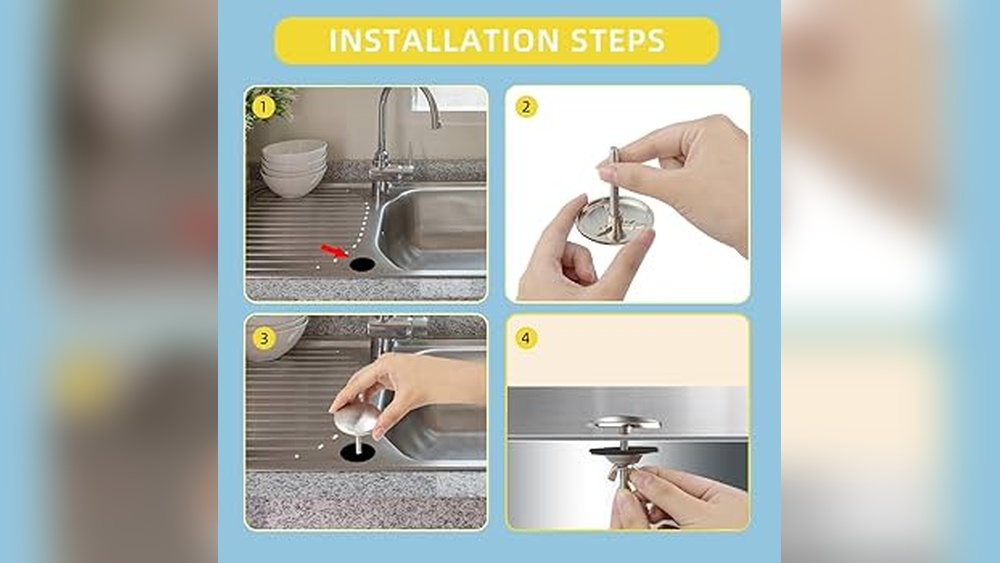
If you’ve ever needed to fill your kitchen sink to soak dishes, thaw frozen food, or keep water from draining during cleaning, you know how important it is to plug your kitchen sink properly. But what happens when your sink stopper is missing, broken, or simply doesn’t seal well? Many people struggle with leaks or don’t realize there are several ways to plug a kitchen sink—even without the original stopper. In this comprehensive guide, you’ll discover practical solutions for all types of sinks, easy DIY fixes, and expert tips to help you get the job done right the first time.
Whether you’re a renter, a homeowner, or living in a college dorm, knowing how to plug your kitchen sink can save time, water, and frustration. Let’s look at everything you need to know—from choosing the right tools to troubleshooting leaks and making your own sink plug when you’re in a pinch.
Why Plugging Your Kitchen Sink Matters
Being able to plug your kitchen sink is more useful than you might think. Here are a few situations where you’ll need this skill:
- Washing dishes: Filling the sink with soapy water is much more efficient than letting water run.
- Soaking pots and pans: Tough food stains are easier to clean after soaking.
- Defrosting food: Immersing frozen food in water speeds up thawing.
- Cleaning or rinsing items: Some items, like vegetables or baby bottles, need soaking.
A properly plugged sink also helps conserve water and saves money on utility bills. According to the U. S. Environmental Protection Agency, an average kitchen faucet uses about 2. 2 gallons of water per minute. Plugging the sink instead of running water can save hundreds of gallons each month.
Understanding Kitchen Sink Drains And Stoppers
Before you start plugging your sink, it helps to know how sink drains and stoppers work. Most kitchen sinks have a standard drain opening between 3.5 and 4 inches in diameter. The stopper is designed to seal this opening and prevent water from escaping.
There are several types of stoppers:
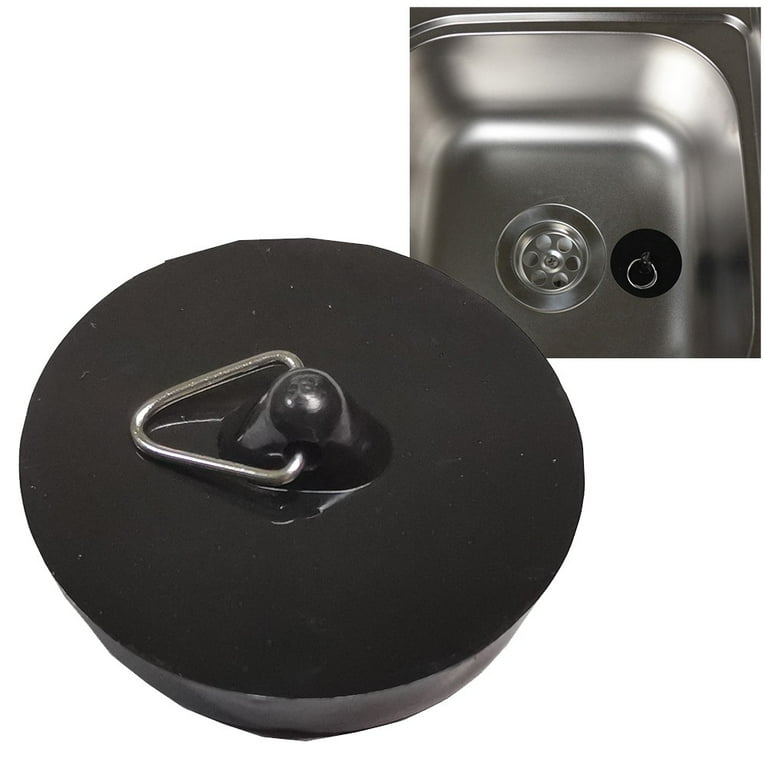
- Rubber or silicone flat stoppers: These are round, flexible discs that cover the drain.
- Pop-up stoppers: Installed in the drain, these move up or down with a lever.
- Basket strainers with a plug: Most common in kitchen sinks, these have a small knob you twist to seal or release.
- Universal stoppers: Adjustable stoppers that fit different drain sizes.
If your original stopper is lost or broken, don’t worry—there are many ways to plug your kitchen sink using everyday items or easy-to-find products.
The Most Common Ways To Plug A Kitchen Sink
Let’s explore the most reliable and practical methods to plug a kitchen sink, whether you have a stopper or not.
1. Using The Original Sink Stopper
If you have the original stopper, plugging your sink is simple:
- Clean the stopper and drain: Any food debris or grease can prevent a good seal.
- Insert the stopper firmly: Press it down evenly over the drain.
- Check for leaks: Fill the sink with a small amount of water and see if it holds.
Pro tip: If water is leaking around the stopper, try cleaning it with dish soap and a brush, then reinsert. Sometimes, old rubber stoppers lose flexibility and need to be replaced.
2. Replacing A Broken Or Lost Stopper
When your stopper is missing or damaged, you have several options:
- Buy a universal stopper: These are available at hardware stores and online. Measure your drain diameter before purchasing.
- Purchase a basket strainer with a plug: Most sinks use a 3.5-inch drain, which is standard in the US.
When choosing a replacement, consider:
- Material: Silicone and rubber provide the best seal.
- Size: It must cover the entire drain.
- Ease of cleaning: Removable stoppers are easier to keep sanitary.
Comparison Of Common Stopper Types
| Stopper Type | Seal Quality | Ease of Use | Cost Range |
|---|---|---|---|
| Rubber/Silicone Flat | Excellent | Very Easy | $3–$8 |
| Pop-up Stopper | Good | Easy (if installed) | $8–$20 |
| Universal Stopper | Good–Excellent | Easy | $5–$12 |
| Basket Strainer Plug | Very Good | Easy | $5–$15 |
3. Diy Temporary Sink Plugs
Sometimes you need to plug your sink and don’t have a stopper on hand. Here are a few creative, effective solutions using household items:
Plastic Bag And Sponge Method
- Take a clean sponge and a zip-top plastic bag.
- Place the sponge inside the bag and seal it.
- Push the bag into the drain opening, pressing down to fill any gaps.
- Pour water slowly to test the seal.
Why it works: The sponge fills the space, and the plastic bag prevents water from leaking through.
Jar Lid Or Cup Method
- Find a plastic or metal lid slightly larger than your drain.
- Place it over the opening and press down.
- Add some weight (like a mug or heavy bowl) to hold it in place.
This method works best for short-term tasks and shallow sinks.
Wet Cloth Or Rag
- Roll a clean, thick rag or cloth into a ball.
- Push it firmly into the drain.
- Make sure the cloth is large enough so it won’t go down the pipe.
Important: Never use this method if you have a garbage disposal. Loose cloth can get tangled and cause damage.
Balloon Plug
- Inflate a balloon just enough to fit snugly into the drain.
- Gently push the balloon into the drain opening.
- Fill the sink slowly to check for leaks.
This is a clever hack for emergencies, but always remove the balloon carefully to avoid popping.
4. Using Commercial Universal Sink Plugs
If you want a plug that fits any sink, universal stoppers are a great choice. They’re made from flexible silicone or rubber and can seal drains from 2 to 4 inches wide. Some have a suction action that keeps them firmly in place.
Installation tips:
- Choose a stopper with a slightly larger diameter than your drain.
- Clean the stopper and drain for the best seal.
- Press the stopper down and twist slightly to remove air.
Troubleshooting Leaky Sink Plugs
Even with the right plug, sometimes water still leaks out. Here’s how to solve common problems:
Dirty Or Greasy Drain
A build-up of food or grease can stop the plug from sealing. Clean the drain area with dish soap and a brush, rinse well, and dry before plugging.
Worn Out Stopper
Old rubber or silicone stoppers can harden or crack over time. If you see damage, replace the stopper.
Wrong Size Or Shape
A stopper that’s too small or doesn’t match the drain shape won’t hold water. Always measure your drain before buying a replacement.
Damaged Drain Flange
The drain flange is the metal ring around your drain. If it’s bent or corroded, even the best stopper may leak. In this case, you might need to replace the flange, which is a simple DIY project for most sinks.
Step-by-step: How To Plug Kitchen Sink Without A Stopper
If you need to plug your kitchen sink right now, follow these steps for a quick fix:
- Find a suitable item: Use a jar lid, cup, or even a potato (cut to fit) as a plug.
- Clean the drain: Remove debris and wipe the area dry.
- Place your makeshift plug: Fit it snugly over or into the drain.
- Test the seal: Fill with a small amount of water and check for leaks.
- Adjust if needed: Add a cloth or plastic wrap to improve the seal if water leaks.
Non-obvious insight: Many people forget that the drain rim must be completely dry for some DIY plugs (like plastic wrap or tape) to stick well and stop leaks.
How To Plug A Double Kitchen Sink
Double sinks are common in modern kitchens. Each side usually has its own drain, but sometimes you want to plug both at once.
- Use two stoppers: If you have a stopper for each side, simply plug both drains.
- Universal stoppers: Buy a pair that fits both drains, or use a combination of commercial and DIY plugs.
- Block the connecting pipe: In rare cases, water flows between basins under the sink. If so, plug both drains and check the connecting pipe for leaks.
How To Plug A Sink With A Garbage Disposal
If your sink has a garbage disposal, you must be careful when plugging the drain:
- Use a stopper designed for disposal drains. These are usually thicker and fit tightly.
- Never use cloths, balloons, or sponges—they can get stuck and damage the disposal.
- Some disposals come with a special cover or splash guard that doubles as a stopper.
Maintenance tip: Always unplug or turn off the power to the disposal before reaching into the drain for safety.
How To Plug A Kitchen Sink For Soaking Or Cleaning
Soaking dishes, pots, or even clothing in your kitchen sink requires a tight seal to hold water for a long time.
- Check the seal: Use a flat rubber or silicone stopper for the best results.
- Press down firmly: Make sure the entire rim is sealed.
- Add weight if needed: A heavy bowl or small pot can help hold the stopper in place for deep soaking.
For long soaks, check the water level every hour to make sure you’re not losing water due to a slow leak.
How To Plug A Kitchen Sink With Water In It
Sometimes you need to plug the sink while it’s already full of water (for example, if you forgot to insert the stopper before running the tap).
- Use a universal stopper: These can be pressed into place even when the sink is full.
- Try the plastic bag and sponge trick: Push the bag into the drain under the water to block it quickly.
- Avoid paper or cloth: They may float or fall apart in water.
Expert tip: Water pressure can help press some plugs (like a plastic lid) down more firmly, improving the seal.
Kitchen Sink Plugs: Materials And Longevity
Different plug materials have their own pros and cons. Here’s a quick comparison:
| Material | Durability | Seal Quality | Cleaning |
|---|---|---|---|
| Rubber | Good (1–3 years) | Excellent | Easy |
| Silicone | Very Good (2–5 years) | Very Good | Very Easy |
| Plastic | Fair (1–2 years) | Good | Easy |
| Metal | Excellent (5+ years) | Good | Easy |
Non-obvious insight: Silicone stoppers are more resistant to mold and odor than rubber, making them a better choice for homes with frequent use or in humid climates.
Common Mistakes When Plugging A Kitchen Sink
Many people make the same mistakes when trying to plug a kitchen sink. Here’s how to avoid them:
- Using a plug that’s too small: This won’t cover the drain fully, causing leaks.
- Not cleaning the drain first: Grease and debris stop a good seal from forming.
- Overfilling the sink: Some DIY plugs can’t handle deep water pressure.
- Forgetting to test the seal: Always check with a small amount of water before filling the sink completely.
- Using unsafe materials: Avoid anything that can fall apart, dissolve, or get stuck in the drain (paper towels, foil, etc. ).
Diy Sink Plug: Step-by-step
Making your own sink plug is easy with the right materials. Here’s a reliable method:
Materials Needed
- Clean kitchen sponge
- Zip-top plastic bag
- Rubber band (optional)
- Scissors
Instructions
- Cut the sponge to fit your drain opening.
- Place the sponge inside the plastic bag and seal it tightly.
- If needed, secure the bag with a rubber band so it doesn’t open.
- Insert the bagged sponge into the drain, pressing firmly to fill the space.
- Test with water. If you see leaks, adjust the position or add a second layer.
This DIY plug works for most standard kitchen sinks and is safe for short-term use.
Note: Never use this method with hot oil, harsh chemicals, or near a garbage disposal.

Credit: www.amazon.com
How To Plug A Kitchen Sink For Plumbing Repairs
Sometimes you need to plug the sink to perform repairs or prevent sewer gases from coming up during work. For this, plumbers use test plugs or expansion plugs:
- Test plugs: Rubber stoppers with a wing nut that expands to seal the drain.
- Expansion plugs: Similar, but made for higher pressure.
You can rent or buy these at most hardware stores. Always follow the instructions and never overtighten, as this can damage your pipes.
Sink Plug Maintenance And Hygiene
Keeping your sink plug clean is important for health and hygiene. Here’s how:
- Wash the plug weekly: Use dish soap and hot water.
- Disinfect regularly: Soak in a mixture of 1 part vinegar to 3 parts water for 10 minutes.
- Check for damage: Replace stoppers that crack, harden, or no longer seal.
A dirty plug can harbor bacteria and mold, especially in humid kitchens. Taking care of your plug helps keep your sink cleaner and smelling fresh.
Eco-friendly And Alternative Plugging Methods
If you prefer green solutions, consider these eco-friendly ways to plug your kitchen sink:
- Reusable silicone stoppers: Last for years and are easy to clean.
- Compostable cloths: Thick, natural-fiber cloths can be used as a temporary plug and composted after.
- Upcycled materials: Clean jar lids or unused silicone baking cups make excellent emergency plugs.
When To Replace Your Kitchen Sink Plug
If you notice any of these signs, it’s time for a new plug:
- Water leaks around the plug, even after cleaning
- Cracks, splits, or hardening of the material
- Mold or persistent odors that won’t wash away
- The plug no longer fits snugly in the drain
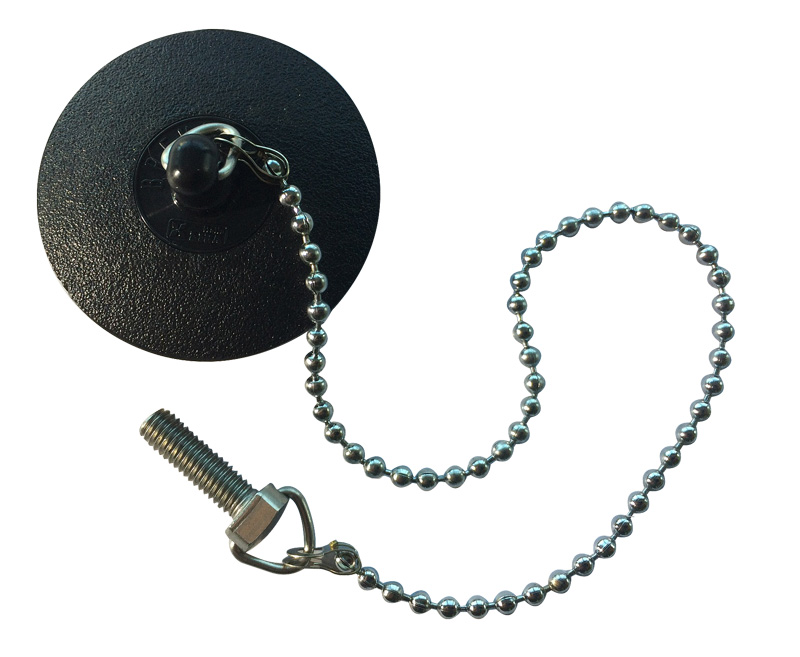
Pro tip: Buy a spare plug and keep it in a kitchen drawer. You’ll always have a backup in case of emergencies.
Credit: www.homecreations.co.uk
Choosing The Best Kitchen Sink Plug For Your Home
With so many options, how do you pick the right sink plug? Here’s what to consider:
- Drain size: Measure your drain opening carefully.
- Sink material: Some plugs work better with stainless steel or porcelain sinks.
- Ease of cleaning: Choose plugs that are dishwasher-safe or easy to wash by hand.
- Frequency of use: For daily use, silicone or rubber plugs are the most durable.
- Budget: Most plugs are affordable, but quality matters for long-term use.
Kitchen Sink Plug Alternatives You Can Buy
If you don’t want to make your own, try one of these popular products:
- OXO Good Grips Silicone Sink Strainer & Stopper
- Danco Universal Sink Stopper
- Keeney Plastic Drain Stopper
- TubShroom or SinkShroom Universal Plug
You can find these at most home improvement stores or online retailers. For more information, check out resources like the Wikipedia article on kitchen sinks for background on different types.
Common Questions About Plugging Kitchen Sinks
People often have similar doubts and concerns about plugging kitchen sinks, especially when trying new DIY methods or dealing with unusual sink shapes.
- Will a universal stopper fit my sink?
- Can I use a towel or rag in every situation?
- How do I stop leaks for longer soaks?
- What if my drain is larger than standard size?
- Are silicone plugs safe for all sink materials?
We’ll answer these in detail below.
Frequently Asked Questions
What Should I Do If My Kitchen Sink Plug Keeps Leaking?
First, clean both the drain rim and the plug thoroughly. If the plug is old or cracked, replace it with a new silicone or rubber stopper. For persistent leaks, check if the drain flange is damaged and consider replacing it.
Can I Make A Temporary Kitchen Sink Plug With Household Items?
Yes. You can use a sponge in a plastic bag, a jar lid, or a balloon. Just make sure the item fits snugly and won’t fall into the drain. Avoid anything that could dissolve or break apart in water.
Is It Safe To Use A Diy Plug With A Garbage Disposal?
No. Never push cloths, sponges, or balloons into a garbage disposal drain. Use a stopper made for disposals, and always turn off power before reaching into the drain.
How Do I Measure My Kitchen Sink Drain For A New Plug?
Use a ruler or tape measure to check the diameter of the drain opening (usually 3.5–4 inches for kitchen sinks). Buy a plug that’s the same size or slightly larger for a tight seal.
What Is The Best Way To Clean A Kitchen Sink Plug?
Wash the plug weekly with hot water and dish soap. For deeper cleaning, soak it in vinegar and water (1:3 ratio) for 10 minutes. Dry thoroughly before storing or using.
Credit: www.walmart.com
Final Thoughts
Learning how to plug your kitchen sink is a simple but essential home skill. Whether you have the original stopper or need a quick DIY fix, you now have a range of solutions for every situation. With the right plug and a bit of care, you can save water, make kitchen chores easier, and avoid unnecessary frustration.
Remember, keeping your plug clean and having a backup on hand ensures you’re always ready for whatever your kitchen throws at you.
For more home improvement tips, check out our guide on how to unclog a kitchen sink for practical solutions to another common kitchen problem.