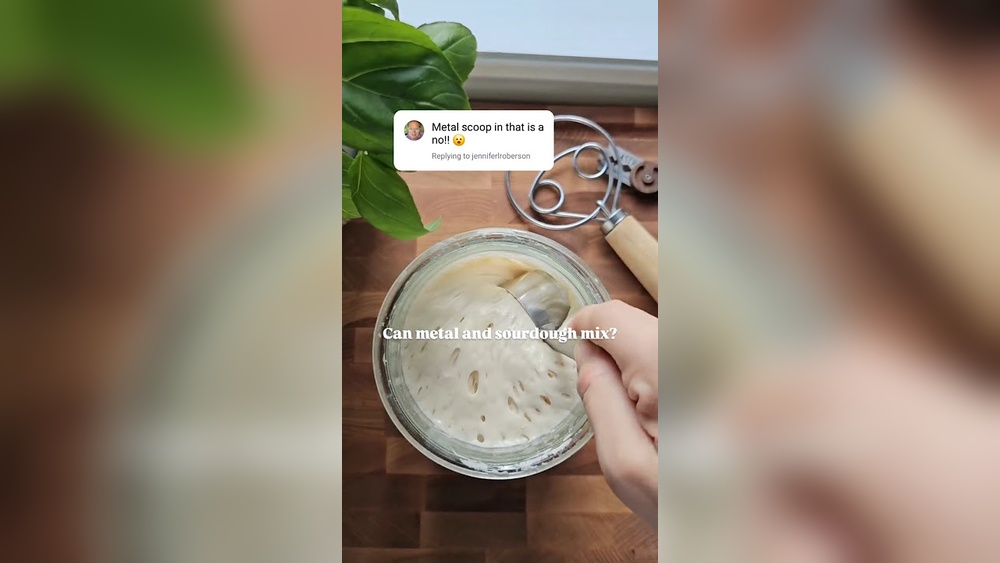
Sourdough has become more than just bread—it’s a movement, a hobby, and even a science project in kitchens around the world. As interest in home baking grows, so do the questions. One question often asked by both beginners and experienced bakers is: Can you mix sourdough in a metal bowl? You may have heard warnings about using metal with sourdough, but is there real science behind this advice? Or is it just a myth passed down over generations?
If you want to create a perfect loaf, every detail matters. The bowl you use can affect your dough, but not always in the way you might expect. Let’s dive deep into the truth about metal bowls, how they react with sourdough, and what actually matters most in your baking process.
Understanding Sourdough: The Basics
Before we talk about bowls, it’s important to understand what makes sourdough unique. Sourdough is not just bread; it’s a living ecosystem. A sourdough starter contains wild yeast and friendly bacteria, mainly lactic acid bacteria. These microbes work together to make the dough rise and develop that classic tangy flavor.
Wild yeast is more sensitive than commercial yeast. It reacts to its environment, including temperature, humidity, and even the materials it touches. The acids produced by the bacteria help develop flavor and texture, but they also affect the chemistry of everything around them—including your mixing bowl.
Why People Worry About Metal Bowls
The idea that metal bowls are bad for sourdough is common in baking communities. Many people believe that the acids in sourdough will react with metal, harming the yeast or ruining the flavor. This concern comes from the fact that some metals can react with acids.
But does this apply to every kind of metal? And is it a real risk for your dough?
The truth is more complicated. Some types of metal can react with sourdough, but others are safe. It’s important to know the difference, especially if you want to get the best results from your starter and your bread.
Types Of Metal Bowls And Their Reactions
Not all metal bowls are the same. The material makes a big difference. Here’s a closer look at the most common types:
| Type of Metal | Common Use | Reaction with Sourdough | Safe for Sourdough? |
|---|---|---|---|
| Stainless Steel | Mixing, proofing | Non-reactive | Yes |
| Aluminum | Some mixing bowls | Can react with acid | No (not recommended) |
| Copper | Whipping egg whites | Highly reactive | No |
| Cast Iron | Baking pans | Reactive if uncoated | No (unless coated) |
Stainless Steel: The Safe Choice
Stainless steel is the most popular metal for mixing bowls. It’s non-reactive, which means acids in sourdough starter will not interact with the metal. This keeps your dough safe and your bread flavor pure. Stainless steel is also easy to clean and doesn’t hold odors or stains.
Aluminum: A Risky Option
Aluminum is reactive with acid. When sourdough starter sits in an aluminum bowl, tiny amounts of metal can leach into the dough. This can give your bread a metallic taste and might harm the wild yeast and bacteria. Over time, this can even damage the bowl itself.
Copper: A Definite No
Copper bowls are excellent for whipping egg whites, but not for sourdough. The acid in the starter will react with copper, which can be toxic in larger amounts. Avoid using copper for any sourdough mixing or fermentation.
Cast Iron: Only With Coating
Cast iron is not usually used for mixing, but some bakers proof dough in cast iron pans. Uncoated cast iron will react with acid, so only use it if it’s coated with enamel.
The Science: How Acid Reacts With Metal
The key issue is acidity. Sourdough starter has a pH of around 3.5 to 4.5, making it mildly acidic. Acids can react with certain metals, causing ions to leach into the dough. This can affect flavor and even the healthfulness of your bread.
Non-reactive metals like stainless steel and glass don’t interact with acid, so they’re safe. Reactive metals like aluminum, copper, and uncoated cast iron can change the chemistry of your dough. For a short mixing period, this might not matter much, but for longer fermenting or proofing, it can make a difference.
One non-obvious insight: The problem gets worse the longer the dough sits in contact with a reactive metal. Mixing for a few minutes is less risky than proofing for several hours.
Credit: www.reddit.com
Common Myths About Metal And Sourdough
There are a few myths that make bakers worry about metal bowls. Let’s clear them up:
- Myth: Any metal will kill your sourdough starter.
- Fact: Only some metals react with acid. Stainless steel is safe.
- Myth: Even short contact with metal is harmful.
- Fact: Brief mixing in a metal bowl rarely causes problems, unless it’s a highly reactive metal.
- Myth: Metal changes the flavor of all breads.
- Fact: Only if the metal reacts with acid, which does not happen with stainless steel.
These myths often come from older baking traditions, where people used whatever bowls were available. Today, we have better materials and more knowledge about food safety.
Comparing Different Mixing Bowl Materials
Bakers can choose from several types of bowls for mixing and proofing dough. Here’s how the most popular options compare:
| Material | Pros | Cons | Best For |
|---|---|---|---|
| Stainless Steel | Durable, non-reactive, easy to clean | Can get cold, not see-through | Mixing, proofing |
| Glass | Non-reactive, see-through, easy to clean | Heavy, can break | Mixing, proofing, watching dough rise |
| Ceramic | Non-reactive, retains heat | Heavy, can chip or crack | Proofing, serving |
| Plastic | Lightweight, cheap | Can hold odors, scratches easily, not always food-safe | Mixing (short-term) |
| Aluminum | Lightweight, cheap | Reacts with acid, dents easily | Avoid for sourdough |

Credit: culturesforhealth.com
Practical Tips For Using Metal Bowls With Sourdough
If you choose a metal bowl, here are some tips to get the best results:
- Stick with stainless steel. Always choose a bowl made from high-quality stainless steel, not aluminum or copper.
- Check for coatings. Avoid bowls with coatings that can chip or wear away, exposing reactive metal underneath.
- Clean thoroughly. Wash your bowl well after each use. Any leftover dough or moisture can attract bacteria or mold.
- Use for mixing, not long proofing. It’s safe to mix your dough in a stainless steel bowl, but for long fermentation, consider moving to glass or ceramic.
- Watch the temperature. Metal bowls can get cold. If your kitchen is cool, warm the bowl with hot water before mixing to give your dough a better start.
A pro tip many beginners miss: If you have problems with dough sticking to your metal bowl, try lightly oiling the bowl before mixing. It makes cleanup easier and helps when you transfer the dough.
How Mixing Bowl Material Affects Your Sourdough
The bowl you use does more than hold your dough. It can affect the temperature, hydration, and even the rise of your bread.
- Temperature: Metal bowls cool quickly, which can slow yeast activity. This is good in hot climates but can be a problem in cold kitchens.
- Hydration: Some materials, like plastic, can hold on to oils or moisture, slightly changing your dough’s water content.
- Rising: Glass and ceramic bowls let you see how much your dough has risen, which helps when judging proofing times.
One insight often overlooked: Consistency is key. If you always use the same type of bowl, you’ll get to know how your dough behaves. Changing bowl materials can change your results, sometimes in subtle ways.
What Professional Bakers Use
Many professional bakers use stainless steel bowls for mixing and initial kneading. These bowls are durable, easy to clean, and non-reactive. For long fermentation or proofing, some switch to plastic tubs or glass bowls.
Why? Because commercial kitchens wash bowls frequently and need something sturdy. At home, you can choose the bowl that best fits your style and space.
A look at some famous bakeries shows a trend: stainless steel for mixing, glass or ceramic for longer fermentation. This combination gives you the benefits of both materials.
Safety Considerations: Health And Hygiene
Safety isn’t just about the chemical reaction. It’s also about cleanliness and food safety.
- Stainless steel is easy to sanitize. It doesn’t absorb smells or flavors.
- Plastic can scratch, which traps bacteria.
- Glass is easy to clean but can break.
- Aluminum and copper can react with acid and should be avoided for sourdough.
Always dry your bowl fully before storing. Moisture left inside can lead to mold, especially in humid climates.
Does Metal Impact The Sourdough Starter?
Some people worry that using a metal bowl can harm their sourdough starter. It’s important to separate fact from fear.
- Short contact: Stainless steel is fine for feeding and mixing your starter.
- Long contact: Don’t store your starter in metal, especially not in aluminum or copper. Use glass or ceramic for storage.
The main risk is with reactive metals and long-term storage. For daily mixing and feeding, stainless steel is perfectly safe.
Step-by-step: Mixing Sourdough In A Metal Bowl
If you want to use a stainless steel bowl, here’s a safe and effective process:
- Clean your bowl: Wash and dry your stainless steel bowl thoroughly.
- Warm the bowl: If your kitchen is cold, rinse the bowl with hot water and dry it.
- Add ingredients: Place your starter, flour, water, and salt in the bowl.
- Mix: Use a wooden spoon or your hand to mix the ingredients. Stainless steel is strong and won’t dent.
- Rest: Let the dough rest for autolyse (if your recipe calls for it). Stainless steel is fine for short rests.
- Knead: You can knead right in the bowl if space is tight.
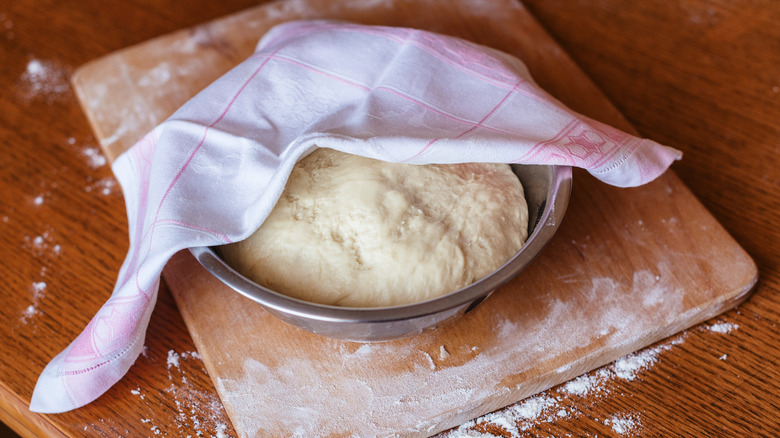
- First proof: For longer fermentation, transfer the dough to a glass or ceramic bowl. If you leave it in stainless steel, it’s still safe, but monitor the dough carefully.
When Not To Use A Metal Bowl
There are a few cases when metal bowls are not the best choice:
- If your bowl is scratched: Deep scratches can hide bacteria and might expose reactive metal underneath.
- If it’s aluminum or copper: These metals can react with the acid in sourdough.
- If proofing for more than 8-12 hours: For very long fermentations, glass or ceramic is more stable.
Remember, the best bowl is the one that fits your process and keeps your dough safe.
Real-world Examples And Experiences
Many home bakers have tested different bowls and shared their results online. Most agree that stainless steel is safe and easy to use. Some note that in colder kitchens, stainless steel can slow fermentation, so they warm their bowls before mixing.
Professional bakeries often use huge stainless steel bowls or tubs, proving that this material works at any scale. Artisan bakers sometimes prefer glass or ceramic for proofing, especially if they want to watch the dough rise.
One advanced tip: If you want to try a new bowl material, do a side-by-side test. Mix two batches of the same dough, one in metal and one in glass. Compare the results and see what works best for your style.
Sourdough And Kitchen Tools: Do Other Metals Matter?
It’s not just about bowls. Other metal tools—like spoons, dough scrapers, or whisks—are also used with sourdough. Do they cause problems?
- Stainless steel utensils: Safe for use with sourdough. Non-reactive and durable.
- Aluminum tools: Can react with acid, but short contact is usually not a problem.
- Copper tools: Avoid using with sourdough.
For all tools, cleanliness is key. Wash and dry thoroughly after each use.
Environmental Impact: Choosing Sustainable Materials
Many bakers today care about the environment. Stainless steel is a good choice because it’s long-lasting and recyclable. Glass and ceramic are also sustainable if handled carefully. Aluminum production is energy-intensive, and plastic creates waste, so they are less eco-friendly.
Choosing a bowl you’ll use for years is better for the planet and your baking.
Credit: www.tastingtable.com
Expert Opinions And Research
Food science experts agree: stainless steel is a safe, effective choice for sourdough mixing and short proofing. There’s no evidence that stainless steel harms your starter or bread.
One study published in the Journal of Food Science found that acidic foods stored in aluminum or copper can absorb metal ions, but stainless steel did not leach metals, even after long exposure. Many reputable sources, like King Arthur Baking, recommend stainless steel or glass for bread making.
Common Mistakes When Using Metal Bowls
- Using aluminum or copper: These can react with acids. Always avoid.
- Ignoring scratches: Deep scratches can expose reactive metal.
- Leaving dough too long: Stainless steel is safe, but for very long proofing, switch to glass or ceramic.
- Not warming the bowl: In cold kitchens, a cold bowl can slow down your dough’s fermentation.
If you avoid these mistakes, you’ll have success with your sourdough, no matter what bowl you use.
How To Choose The Best Bowl For Sourdough
If you’re shopping for a new bowl, here’s what to consider:
- Material: Stainless steel, glass, or ceramic are best.
- Size: Get a bowl big enough for your dough to double in size.
- Weight: Lighter bowls are easier to handle, but heavier ones keep dough warm.
- Shape: Wide, shallow bowls make mixing and kneading easier.
- Durability: Invest in a bowl that will last for years.
For more on baking tools, check our post on essential sourdough equipment (internal link).
Frequently Asked Questions
What Happens If I Accidentally Use An Aluminum Bowl For Sourdough?
If you mix sourdough in an aluminum bowl once, there’s usually no serious harm. However, repeated use can cause a metallic taste and may damage your dough’s natural yeast. Try to switch to stainless steel, glass, or ceramic for future batches.
Can I Store My Sourdough Starter In A Stainless Steel Bowl?
Short-term storage is fine in stainless steel, but for long-term storage, glass or ceramic is better. Stainless steel is non-reactive and safe for mixing and brief holding, but glass jars let you see bubbles and monitor your starter’s health.
Why Do Some Recipes Say To Avoid Metal Bowls For Sourdough?
Older recipes often warned against metal because many homes used aluminum or copper bowls. Today, stainless steel is widely available and safe. The warning is only true for reactive metals, not stainless steel.
Does Using A Metal Bowl Change The Taste Of Sourdough Bread?
With stainless steel, there’s no change in flavor. If you use aluminum or copper, you might taste a metallic note, especially after long fermentation. Always stick with non-reactive metals for the best taste.
Are There Any Benefits To Using Glass Or Ceramic Over Metal?
Glass and ceramic don’t affect temperature as quickly as metal, which can help with even fermentation. They also let you see your dough rise. Some bakers prefer them for long proofing, but stainless steel is still a top choice for mixing.
Mixing sourdough in a metal bowl is safe and effective—if you choose the right type. Stainless steel is non-reactive, easy to clean, and widely used by both professionals and home bakers. Avoid aluminum, copper, and uncoated cast iron, especially for long fermentation. With a little care and the right tools, your sourdough will thrive, and you’ll enjoy every loaf you bake. If you want to learn more about kitchen tools and sourdough tips, explore resources from Serious Eats for expert advice. Happy baking!