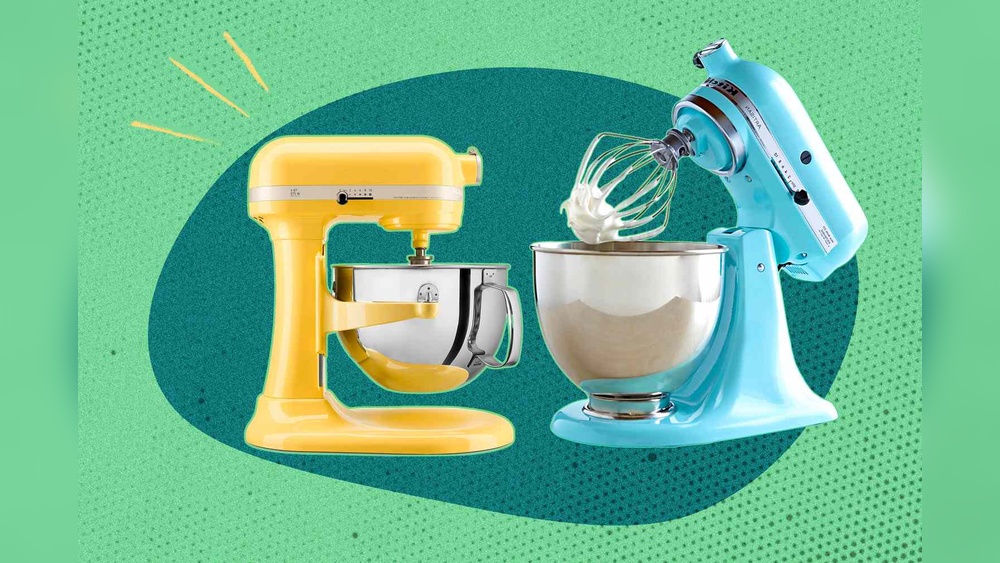
Choosing a stand mixer is a big decision, especially if you love baking or cooking at home. The KitchenAid mixer is famous worldwide, but many buyers get confused by one important question: *Which KitchenAid mixer is better, tilt head or bowl lift?* This simple-sounding choice actually affects how you work in the kitchen, what recipes you can make, and how much you’ll enjoy using your mixer for years to come.
If you walk into any appliance store or look online, you’ll see two main designs: tilt head and bowl lift. Each has its own fans and unique features. Some people swear by the classic tilt-head style, while others love the power and sturdiness of the bowl-lift models. If you’re not sure which one fits your needs, you’re not alone. Many new bakers and even experienced cooks find it hard to pick the right one.
This article will give you a clear, complete comparison of KitchenAid tilt head vs bowl lift mixers. You’ll learn how they work, what makes them different, and which is better for your kitchen. We’ll go deep into the real advantages and drawbacks of both styles. You’ll find expert tips, practical advice, and answers to questions most people don’t think to ask. By the end, you’ll know exactly which KitchenAid mixer is better for you—and why.
Understanding Kitchenaid Stand Mixers
Before comparing the two designs, it helps to know what makes KitchenAid stand mixers so popular. These mixers have a long history of quality and performance. Their main job is to mix dough, batter, and other ingredients quickly and evenly. But they do more than just mix: with the right attachments, they can also knead bread, whip cream, grind meat, make pasta, and even churn ice cream.
KitchenAid mixers are divided into two main types:
- Tilt-Head Mixers: The top part (the “head”) tilts back so you can easily add ingredients or attach the mixing bowl.
- Bowl-Lift Mixers: The bowl sits on two arms and lifts up into place using a lever, while the head stays fixed.
Both types come in different sizes, colors, and power levels. Some are small enough for a small kitchen, while others are heavy-duty machines for serious bakers.
How Tilt-head Kitchenaid Mixers Work
The tilt-head mixer is what many people picture when they think of a stand mixer. The top of the mixer lifts up and away from the bowl, giving you direct access. This design is popular with home bakers because it’s simple, easy to use, and fits well in most kitchens.
Key Features Of Tilt-head Mixers
- Tilting Head: You press a button or lever to unlock the head, then tilt it back to add ingredients or change attachments.
- Bowl Locks at Base: The bowl locks onto the base of the mixer, not the arms.
- Smaller Footprint: Tilt-head mixers are usually shorter and lighter, making them easier to fit under cabinets.
- Popular Models: KitchenAid Artisan Series (5-quart), Classic Series (4.5-quart).
Practical Benefits
- Easy Access: Tilting the head back makes it simple to scrape the bowl or add ingredients, even while mixing.
- Simple Attachment Changes: You can quickly swap out the beater, whisk, or dough hook.
- Fits Small Kitchens: These mixers are compact, so they work well in apartments or homes with little counter space.
- Lighter Weight: Easier to move or store when not in use.
Common Drawbacks
- Limited Bowl Size: Most tilt-head mixers have bowls from 3.5 to 5 quarts. This can be too small for big batches.
- Less Power: While strong for everyday use, tilt-heads usually have less horsepower than bowl-lift models.
- Head May Wobble: When mixing heavy doughs, the head can move slightly, which some find annoying.
Who Should Choose A Tilt-head Mixer?
A tilt-head mixer is great if you:
- Bake in small batches (cakes, cookies, muffins)
- Have limited kitchen space
- Prefer a lighter, easier-to-handle machine
- Don’t plan to make very heavy bread or pizza dough often
How Bowl-lift Kitchenaid Mixers Work
Bowl-lift mixers look and feel more serious from the start. Instead of tilting the head, you use a lever to raise or lower the mixing bowl. The mixer’s head stays locked in place, giving a sturdy, powerful feel.
Key Features Of Bowl-lift Mixers
- Fixed Head: The mixing head does not move. Instead, the bowl moves up or down.
- Lever for Lifting: A lever on the side raises the bowl into mixing position.
- Heavy and Tall: Bowl-lift mixers are bigger, heavier, and taller than tilt-heads.
- Popular Models: KitchenAid Professional 600 Series (6-quart), Pro Line Series (7-quart), Commercial models.
Practical Benefits
- Handles Large Batches: Bowl sizes range from 5 to 8 quarts, so you can mix big amounts of dough or batter at once.
- More Power: Bowl-lift mixers have stronger motors—some models go up to 1.3 horsepower.
- Stays Stable: The fixed head and heavy body keep the mixer steady, even with tough dough.
- Faster Mixing: Powerful motors can mix faster and knead dough better.
Common Drawbacks
- Takes More Space: These mixers need more room on your counter and are harder to move.
- Harder to Add Ingredients: You need to stop the mixer and lower the bowl to add things or scrape the sides.
- Heavier: Some models weigh over 30 pounds, so they’re not ideal if you need to store them away.
Who Should Choose A Bowl-lift Mixer?
A bowl-lift mixer is best if you:
- Bake large amounts (bread, big cakes, pizza dough)
- Want the most power and speed
- Don’t mind a heavy, tall machine
- Leave the mixer on the counter full time
Head-to-head Comparison: Tilt Head Vs Bowl Lift
To help you see the main differences, here’s a direct comparison between the two designs:
| Feature | Tilt-Head Mixer | Bowl-Lift Mixer |
|---|---|---|
| Access to Bowl | Easy—tilt head back | Lower bowl with lever |
| Max Bowl Size | 5 quarts | 8 quarts |
| Motor Power | 250–325 watts | 575–969 watts |
| Stability | Good for light/medium use | Excellent for heavy mixing |
| Height | Shorter (13.9–14 in) | Taller (16.5–17 in) |
| Weight | 20–26 lbs | 25–32 lbs |
| Price Range | Lower ($300–$500) | Higher ($400–$1000+) |
| Best For | Home bakers, small batches | Serious bakers, large batches |
Tilt-head Vs Bowl-lift: Real-world Performance
Many buyers wonder if the difference is just about looks and size, or if the two models truly perform differently in practice. Let’s look at how each handles common kitchen tasks.
Mixing Cake Batter
Tilt-head mixers are perfect for cake batter, cookie dough, and whipped cream. The bowl is easy to reach, so you can add eggs, flour, and flavorings without stopping for long. Most recipes for cakes and cookies fit well in a 4.5- or 5-quart bowl.
Bowl-lift mixers can do all these tasks too, but sometimes the taller bowl makes it harder to scrape the sides or add ingredients, especially if you’re working with a small amount.
Kneading Bread Dough
Bread dough is thick and heavy. Here, bowl-lift mixers shine. Their motors are made to handle tough, sticky doughs without slowing down or overheating. You can make enough dough for several loaves at once.
Tilt-head mixers can knead dough, but not as much at one time. If you try to make a big batch, the motor can strain, and the head may wobble. For occasional bread baking, they’re fine—but not for daily or high-volume use.
Whipping Cream Or Egg Whites
Both designs do well at whipping, but tilt-head mixers have an advantage for small batches. The beater reaches ingredients more easily in a smaller bowl, so you get fluffy whipped cream or stiff egg whites faster.
With bowl-lift mixers, you may need to use a larger amount to cover the whisk properly, especially in the big 7- or 8-quart bowls.
Using Attachments
KitchenAid mixers are famous for their powered attachments: pasta rollers, meat grinders, spiralizers, and more. Both mixer types use the same attachment hub, so you can use all the accessories no matter which you choose.
However, bowl-lift mixers are generally better for attachments that need more power (like meat grinding), thanks to their stronger motors.
How Size And Space Affect Your Choice
One thing many new buyers forget is how much room a stand mixer needs. Both types are heavier and larger than most small appliances, but bowl-lift mixers are especially big.
Height And Cabinet Clearance
Tilt-head mixers are shorter, so they fit under standard kitchen cabinets (about 17-18 inches above the counter). You can push them back when not in use. Bowl-lift mixers are taller; some are too high to fit under cabinets when the bowl is attached.
Weight And Moving
If you need to move your mixer to another counter or store it away, tilt-head models are easier to lift. Bowl-lift mixers can be very heavy, and some people keep them in one place all the time.
Countertop Space
Bowl-lift mixers take up more space. If you have a small kitchen, measure your counter before buying.
Which Is Better For Heavy Doughs And Big Batches?
If you bake bread often or make big batches of cookies for parties or events, you need a mixer that won’t slow down or overheat. In this case, the bowl-lift mixer is almost always the better choice.
Why Bowl-lift Mixers Are Stronger
- Bigger Motors: Most have at least 575 watts, compared to 250–325 watts in tilt-heads.
- All-Metal Gears: Designed for tough jobs.
- Stronger Bowl Locks: Keeps the bowl from moving, even with stiff dough.
- Larger Bowls: Up to 8 quarts, so you can make 13 dozen cookies or 8 loaves of bread at once.
When A Tilt-head Is Enough
If you make bread just once in a while, or only small batches, a tilt-head will work. But don’t try to push it too hard—overloading can shorten the mixer’s life.
Ease Of Cleaning And Maintenance
KitchenAid mixers are built to last, but some are easier to clean than others.
Tilt-head mixers are simpler to wipe down, since you can tilt the head back to reach the bowl and attachments. The bowl and beaters are dishwasher safe. The body is smooth, with few places for flour or dough to hide.
Bowl-lift mixers have more nooks and crannies, especially around the bowl arms and lever. Cleaning takes a little longer. The bowl is deeper, which can be harder to wash by hand. However, most parts are still dishwasher safe.
Non-obvious insight: Many users don’t realize that if you often bake sticky doughs (like cinnamon rolls), bowl-lift models are less likely to get gunk under the head, since the head never tilts back. This makes long-term cleaning easier in some cases.

Credit: www.youtube.com
Price And Value: Which Is The Better Investment?
Price is a big factor for most buyers. The main reason tilt-head mixers sell so well is their lower cost, but is that always the smartest value?
Average Prices
- Tilt-Head Mixers: $300–$500 for most models
- Bowl-Lift Mixers: $400–$1000+ for high-end or commercial models
What Are You Paying For?
With bowl-lift mixers, you’re paying for more motor power, a bigger bowl, and a design built for heavy use. With tilt-head mixers, you get convenience, simplicity, and a lower entry cost.
Non-obvious insight: If you plan to bake often for a home business or large family, the bowl-lift’s higher price may save you money in the long run—less wear and tear, fewer repairs, and the ability to handle any recipe without burnout.
Noise Levels And Kitchen Comfort
Many people forget about noise until they use their mixer for the first time. Generally, bowl-lift mixers are louder, especially when kneading bread dough or using high power. The heavy motor and all-metal gears make more noise.
Tilt-head mixers are quieter with soft batters and small batches. However, with any stand mixer, expect some sound—it’s the price of power.

Credit: kitchenaid.com.au
Durability And Lifespan
KitchenAid mixers are famous for lasting decades. Both tilt-head and bowl-lift models are built with strong parts, but bowl-lift mixers are made for commercial or heavy-duty home use.
Bowl-lift mixers have all-metal gears, thicker frames, and more robust motors. They’re less likely to overheat or break down, even with daily use.
Tilt-head mixers can last many years with normal use. But if you regularly push them with heavy doughs or overload the bowl, you may wear out the motor faster.
Style, Colors, And Customization
One reason people love KitchenAid is the wide range of colors and styles. This is especially true for tilt-head mixers. You can find almost any color to match your kitchen, from classic red to ice blue or matte black.
Bowl-lift mixers come in fewer colors, and most are stainless steel or basic shades. If style matters to you, and you want a mixer that fits your decor, a tilt-head gives you more choices.

Credit: www.kitchenaid.com
Which Mixer Is Easier To Use For Beginners?
If you’re new to stand mixers, the tilt-head model is easier to learn. The controls are simple, and you can see and touch your ingredients more easily. It’s also less intimidating—many people find the bowl-lift’s lever and heavy body overwhelming at first.
If you want a mixer you can grow into, and you don’t mind a steeper learning curve, the bowl-lift will serve you well for years.
Mixing Bowl Types And Compatibility
Both mixer types come with stainless steel bowls, but there are some differences.
- Tilt-head bowls often have handles and are easier to lift out. You can buy glass or ceramic bowls that fit most models.
- Bowl-lift bowls are larger and heavier. They lock into arms on the sides, so not all bowl types fit every model. Check compatibility before buying extra bowls.
A tip for all users: always use the bowl size the recipe suggests. Overfilling can make a mess or strain the motor.
Attachments And Accessories
KitchenAid’s power hub lets you use dozens of attachments, from pasta makers to food grinders. Both mixer types accept the same accessories.
However, bowl-lift mixers can handle heavy-duty attachments better, thanks to more power. If you want to grind lots of meat or roll thick pasta, a bowl-lift is best. For light jobs, a tilt-head is fine.
Kitchenaid Mixer Model Examples
Here are some top models from each type:
Popular Tilt-head Models
- Artisan Series 5-Quart: Most popular, great for all-around baking
- Classic Series 4.5-Quart: Affordable, simple, perfect for beginners
- Mini Series 3.5-Quart: Small kitchens, light use
Popular Bowl-lift Models
- Professional 600 Series 6-Quart: Powerful, handles bread and large batches
- Pro Line Series 7-Quart: Most powerful home mixer, for serious bakers
- Commercial Series 8-Quart: For catering, bakeries, or large families
Common Mistakes When Choosing
- Buying Too Small: Many people buy a tilt-head, then wish they had more power for bread or pizza dough.
- Ignoring Kitchen Size: A bowl-lift may not fit under your cabinets or on your counter.
- Forgetting Attachments: Not all accessories fit every model. Check before buying.
- Overloading the Bowl: Using a small mixer for big batches can burn out the motor.
- Choosing by Color Alone: Style is nice, but function matters more in the long run.
Expert Tips For Getting The Most From Your Mixer
- Start Slow: Always begin mixing at the lowest speed to avoid flour clouds or splashes.
- Use the Right Beater: Dough hook for bread, paddle for cookies, whisk for cream and eggs.
- Lock the Bowl Properly: Make sure the bowl is secured before starting.
- Check Clearance: For bowl-lift mixers, adjust the bowl height so the beater just clears the bottom.
- Clean After Each Use: Wipe the mixer and wash attachments to keep everything running smoothly.
For more tips on stand mixer usage, check out our post on [How to Clean a Stand Mixer](your-internal-link-here).
Which Kitchenaid Mixer Is Better: Final Thoughts
There is no single answer for everyone. The best KitchenAid mixer depends on your kitchen, your style of baking, and your budget.
- If you want convenience, style, and ease of use for cakes, cookies, and small batches, the tilt-head mixer is better.
- If you need power, capacity, and strength for breads, big batches, or frequent baking, the bowl-lift mixer is better.
Many experts agree: if you’re new to baking or have a small kitchen, start with a tilt-head. If you bake for a business, large family, or love making bread, invest in a bowl-lift.
No matter which you choose, both will give you years of reliable service and open up new possibilities in your kitchen.
For more detailed KitchenAid specs, see the official KitchenAid comparison page.
Frequently Asked Questions
What Are The Main Differences Between Tilt-head And Bowl-lift Mixers?
The biggest differences are in how you access the bowl (tilt the head vs. lift the bowl), the motor power (bowl-lift is stronger), and the size (bowl-lift is bigger and heavier). Tilt-heads are easier to use for small batches; bowl-lifts handle large recipes and heavy doughs better.
Can I Use The Same Attachments With Both Mixer Types?
Yes, most KitchenAid attachments fit both types because they share the same power hub. However, some bowls and beaters are model-specific, so always check compatibility before buying extras.
Which Mixer Is Better For Making Bread?
The bowl-lift mixer is better for frequent bread making because it has a stronger motor, bigger bowl, and more stability. Tilt-head mixers can handle bread, but only in small amounts.
Will A Bowl-lift Mixer Fit Under My Kitchen Cabinets?
Maybe not. Bowl-lift mixers are taller (usually 16. 5–17 inches), so measure your space first. Tilt-head mixers are shorter and fit more easily under standard cabinets.
Are Tilt-head Mixers Less Durable Than Bowl-lift Models?
Both are durable, but bowl-lift mixers are built for heavier, more frequent use. If you plan to use your mixer every day for tough recipes, a bowl-lift will likely last longer without problems.
When you know what you want to bake and how much space you have, it’s easy to pick the KitchenAid mixer that’s right for you. Enjoy your baking journey!