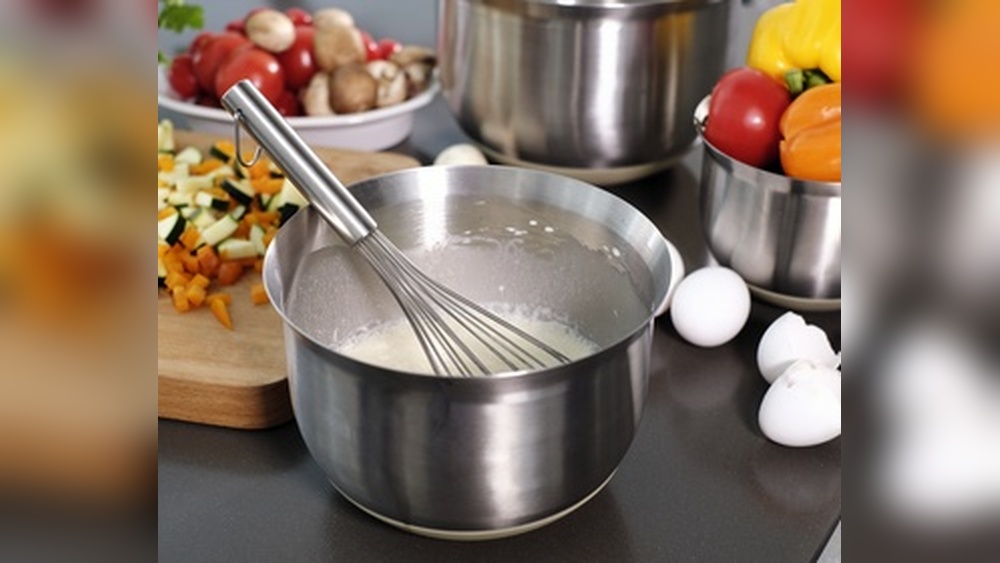
If you love spending time in the kitchen, you have likely used a mixing bowl more times than you can count. But have you ever stopped to think about what a mixing bowl is truly used for? This simple tool is found in nearly every kitchen, from small apartments to professional bakeries. Many people see it as just a container for combining ingredients, but a mixing bowl does much more. Its design, size, and material can influence your cooking and baking results. Understanding the full potential of the mixing bowl can help you make better recipes and even keep your kitchen more organized. In this article, we’ll explore every aspect of what a mixing bowl is used for, why it matters, how to pick the right one, and clever tips that even experienced cooks sometimes miss.
What Is A Mixing Bowl?
A mixing bowl is a round, deep container used for blending, holding, or preparing food ingredients. Mixing bowls come in many sizes, shapes, and materials. While their main purpose is to help mix food, they are also used for serving, marinating, and even storing foods. Their basic design—a wide opening and curved sides—makes it easy to mix, whisk, toss, or fold ingredients together.
The history of mixing bowls stretches back centuries, with evidence that ancient civilizations used pottery bowls for food preparation. Today, they are made with modern materials such as stainless steel, glass, ceramic, and plastic, each with its unique benefits.
The Essential Uses Of A Mixing Bowl
Mixing bowls are not just for mixing. Here are the most common and important uses you’ll find in kitchens worldwide:
- Mixing Ingredients: The most obvious use. Bowls are perfect for combining flour, eggs, sugar, and other ingredients for recipes.
- Marinating Food: The curved sides keep liquids and spices close to your meats or vegetables.
- Proofing Dough: Bread dough rises best in a bowl, which gives it room to expand and keeps it covered.
- Tossing Salads: The shape makes it easy to toss greens and dressings without spilling.
- Beating Eggs and Batter: Bowls provide enough space for hand-mixers or whisks to work without splashing.
- Serving Food: Many people use mixing bowls to serve snacks, salads, or popcorn.
- Storing Leftovers: Some mixing bowls come with lids, making them perfect for storing food in the fridge.
- Preparing Ingredients: Bowls are handy for holding chopped vegetables or measured spices before you start cooking.
- Melting Ingredients: Glass or metal bowls can be placed over simmering water to melt chocolate or butter.
- Washing Produce: Their depth lets you soak and rinse fruits or vegetables.
- Organizing Mise en Place: Professional chefs use several bowls to organize prepped ingredients before cooking.
Each of these uses plays a different role in food preparation and makes cooking more efficient.
Types Of Mixing Bowls By Material
Not all mixing bowls are created equal. The material of the bowl can make a big difference in how you use it, how long it lasts, and how easy it is to clean. Let’s look at the most popular types:
Stainless Steel
Stainless steel mixing bowls are popular in both home and professional kitchens. They are lightweight, durable, and don’t break when dropped. Stainless steel does not react with acidic foods, which makes it safe for almost any recipe. These bowls are often dishwasher safe and resist stains and odors.
Advantages:
- Extremely durable
- Lightweight
- Usually inexpensive
- Non-reactive with most foods
Disadvantages:
- Can get hot or cold easily, which is not always ideal for all recipes
- Not microwave safe
Glass
Glass mixing bowls are heavy and sturdy. They are microwave safe and can double as serving bowls. You can see through them, which helps you check for unmixed ingredients at the bottom.
Advantages:
- Microwave and dishwasher safe
- Non-reactive with all food types
- Great for melting chocolate or butter over simmering water
Disadvantages:
- Can break or chip if dropped
- Often heavier and more expensive
Plastic
Plastic mixing bowls are lightweight and affordable. They often come in colorful sets and are easy to handle. Some have non-slip bottoms, making them stable for mixing.
Advantages:
- Lightweight and usually inexpensive
- Won’t break if dropped
- Good for kids or outdoor use
Disadvantages:
- Can stain or absorb odors
- Some plastics are not microwave safe
- Not as long-lasting as glass or steel
Ceramic
Ceramic mixing bowls are beautiful and often used for serving as well. They hold temperature well, which can help with doughs that need to stay cool or warm.
Advantages:
- Attractive designs, good for serving
- Holds temperature well
- Non-reactive
Disadvantages:
- Heavy and can break easily
- Usually more expensive
Silicone
Silicone mixing bowls are flexible and sometimes collapsible for easy storage. They are heat-resistant and safe for microwaves and dishwashers.
Advantages:
- Can be used in microwave or oven
- Easy to store, especially collapsible types
- Non-slip, even on wet surfaces
Disadvantages:
- Not as sturdy for heavy-duty mixing
- Can retain oily residues
Comparing Mixing Bowl Materials
To help you see the differences more clearly, here’s a quick comparison:
| Material | Durability | Microwave Safe | Weight | Cost |
|---|---|---|---|---|
| Stainless Steel | Very High | No | Light | Low to Medium |
| Glass | Medium | Yes | Heavy | Medium |
| Plastic | Medium | Depends on Type | Light | Low |
| Ceramic | Medium | Usually Yes | Heavy | High |
| Silicone | Low to Medium | Yes | Very Light | Medium |
Choosing The Right Mixing Bowl For Your Kitchen
Not sure which mixing bowl to buy? Here are some points to consider:
- Purpose: Think about what you cook most often. Stainless steel is great for baking. Glass is good for microwaving. Plastic is handy for casual use.
- Size: Small bowls (1-2 quarts) are good for sauces or salad dressings. Medium (3-4 quarts) are best for beating eggs or making cake batter. Large (5+ quarts) are perfect for bread dough or tossing salads.
- Durability: If you have kids or drop things often, plastic or stainless steel is safer.
- Weight: Heavy bowls can be hard to handle, especially for people with weak wrists.
- Storage: If you have little space, look for nesting or collapsible bowls.
- Lids: Some bowls come with lids, which are very useful for storing leftovers or marinating foods.
Example
If you bake bread every week, a large glass or stainless steel bowl is best for proofing dough. For mixing cookie batter with kids, a plastic bowl is safer and lighter.
Mixing Bowl Sizes And Their Best Uses
Mixing bowls come in a range of sizes. Many sets include small, medium, and large bowls. Each size has its own advantages.
| Bowl Size | Common Capacity | Best Uses |
|---|---|---|
| Small | 1-2 Quarts | Mixing dressings, beating single eggs, holding spices |
| Medium | 3-4 Quarts | Mixing batter, beating eggs, prepping vegetables |
| Large | 5+ Quarts | Tossing salads, proofing dough, marinating meats |
It’s useful to have a set of at least three different sizes. Many recipes call for more than one bowl.

Credit: artofglutenfreebaking.com
Specialized Mixing Bowls
Some mixing bowls come with special features that can make your kitchen work easier:
- Non-slip bases: Bowls with rubber bases do not slide around when you whisk or mix.
- Pour spouts: Great for pouring batter or sauces without spills.
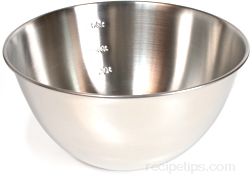
- Measurement marks: Some bowls have lines inside to show volume, which helps with recipes.
- Handles: Make it easier to grip and pour.
- Lids: Useful for storing or marinating food.
You don’t need every feature, but one or two can make a big difference.
Mixing Bowls In Baking
In baking, the right mixing bowl can influence your results. For example, when making meringues or whipped cream, a metal bowl helps the eggs whip up better because it stays cool. For bread, a large glass bowl lets you see the dough rising.
Avoid plastic bowls for recipes that need a very clean surface, like angel food cake—plastic can hold on to grease that stops egg whites from whipping properly.
Non-obvious tip: Many bakers chill their metal mixing bowl before whipping cream or egg whites. The cold bowl helps create more volume and better texture.
Mixing Bowls In Cooking
Cooks use mixing bowls for marinades, coating foods with breadcrumbs, tossing vegetables with oil, and more. Stainless steel is often the first choice because it is tough and easy to clean. Glass or ceramic bowls are great for recipes where you want to see the color and texture of your ingredients.
Non-obvious insight: Some chefs use a mixing bowl over a pot of simmering water to create a double boiler. This is perfect for melting chocolate or making delicate sauces, as the bowl fits snugly and gives more control over the heat.
Mixing Bowls For Cold And Hot Foods
Mixing bowls are also used for keeping food hot or cold. For example, you can chill a glass or metal bowl before making a salad, so your greens stay crisp longer. Or, you can use a ceramic bowl to keep mashed potatoes warm at the table.
If you want to use a bowl for both hot and cold foods, choose glass or ceramic. These materials hold temperature well and are safe for both extremes.
Mixing Bowls For Serving
Many people use mixing bowls to serve food, especially for casual meals or parties. Large, colorful bowls are perfect for salads, popcorn, chips, or pasta. Some ceramic bowls are so beautiful that they double as serving dishes. If you want a bowl that looks good on the table, choose one with a nice design.
Mixing Bowls For Storage
Mixing bowls with lids are very useful for storage. You can prepare a salad, cover it, and put it in the fridge. Some bowls are designed to stack, which saves space. Always check if the bowl and lid are dishwasher and freezer safe.

Credit: www.collinsdictionary.com
Mixing Bowls For Outdoor Use
For picnics or barbecues, plastic or silicone mixing bowls are best. They won’t break if dropped and are light to carry. Some even have snap-on lids, making them perfect for transporting food.
Mixing Bowls For Kids
If you cook with children, mixing bowls are a must. Plastic or silicone bowls are safe and easy for small hands to hold. Kids can use them for mixing batter, holding snacks, or even for play dough.
Cleaning And Caring For Mixing Bowls
How you clean your mixing bowl depends on the material:
- Stainless steel and glass are usually dishwasher safe.
- Plastic can stain if you mix foods with strong colors, like tomato sauce or curry. Wash quickly to avoid stains.
- Ceramic should be handled with care to avoid chips.
- Silicone is dishwasher safe, but sometimes needs an extra wash to remove oils.
Always dry bowls well to avoid water spots or odors.
Common Mixing Bowl Mistakes To Avoid
Many cooks make small mistakes with mixing bowls that affect their recipes:
- Using the wrong size: Too small, and ingredients spill over. Too large, and it’s harder to mix evenly.
- Using the wrong material: Some recipes need non-reactive bowls (glass, ceramic, stainless steel). Acidic foods can react with some metals or plastics.
- Not using a dry, clean bowl: For whipping eggs or cream, even a little grease or water can ruin the texture.
- Ignoring the weight: Heavy bowls can be hard to handle when full.
- Stacking wet bowls: Moisture between bowls can lead to odors or stains, especially with plastic.
Mixing Bowl Safety Tips
Mixing bowls are generally safe, but here are some tips to stay safe:
- Avoid using cracked or chipped bowls—pieces can break off into food.
- Don’t use plastic bowls for hot foods unless they are labeled heat safe.
- Check for BPA-free plastics if you use plastic bowls.
- Lift heavy bowls carefully, especially when full.
Mixing Bowl Hacks And Clever Uses
Experienced cooks have found creative ways to use mixing bowls beyond just mixing:
- Use a bowl as a mold to shape rice or desserts.
- Invert a bowl over food to keep it warm while you finish cooking.
- Fill a large bowl with ice and nest a smaller bowl inside to keep dips or salads cool at a party.
- Flip a bowl upside down as a stand for decorating cakes.
- Use a bowl to catch peelings and scraps when prepping vegetables for easy cleanup.
How To Organize Mixing Bowls In Your Kitchen
Mixing bowls can take up a lot of space. Here are some organization tips:
- Nest bowls inside each other to save space.
- Keep lids with their bowls so you don’t lose them.
- Store bowls in a lower cabinet for easy access.
- Sort by material or size if you have many bowls.
A well-organized set of mixing bowls makes cooking faster and more enjoyable.
How Mixing Bowls Make Cooking And Baking Easier
You might not realize how much a good mixing bowl improves your kitchen work. Here’s how:
- Speeds up preparation: You can quickly mix, toss, or hold ingredients.
- Reduces mess: High sides keep flour or batter from spilling.
- Improves results: The right bowl helps blend ingredients more evenly.
- Saves time: Some bowls double as serving or storage containers.
Environmental Impact Of Mixing Bowl Materials
If you care about the environment, the material of your mixing bowl matters.
- Stainless steel and glass last many years and are recyclable.
- Plastic can break down over time, and not all types are recyclable.
- Ceramic is durable but heavy to ship, which uses more energy.
- Silicone is long-lasting but not always recyclable.
Choose bowls that last longer and have less impact on the planet.
Mixing Bowls And Kitchen Trends
Modern kitchens often include smart features in mixing bowls:
- Integrated graters or slicers that fit on top of the bowl.
- Digital scales built into the base for accurate measuring.
- Eco-friendly materials like recycled plastic or bamboo fiber.
Staying updated with these trends can make your kitchen more efficient and stylish.
When To Replace Your Mixing Bowl
Mixing bowls last a long time, but sometimes you need a new one:
- Cracks, chips, or deep scratches in glass or ceramic
- Warping, stains, or odors that do not wash out of plastic
- Rust spots on stainless steel
- Silicone that has become sticky or torn
A good set of mixing bowls is a small investment that pays off with easier, safer cooking.
Mixing Bowls Around The World
Every culture uses mixing bowls, but they may look different:
- In Japan, the suribachi bowl is used for grinding and mixing.
- In India, thalis are used for mixing doughs and spices.
- In France, copper bowls are often used for whipping egg whites.
This global use shows that mixing bowls are a universal kitchen tool.
Where To Learn More About Mixing Bowls
If you want to dive deeper, you can check cooking websites, kitchenware stores, or trusted sources like the Cook’s Illustrated Mixing Bowl Review for expert advice and reviews.
Frequently Asked Questions
What Is The Main Purpose Of A Mixing Bowl?
The main purpose of a mixing bowl is to provide a space for combining and preparing ingredients for cooking or baking. Its wide shape and smooth sides make it easy to mix, toss, or whisk ingredients without spilling.
Can I Use Any Bowl As A Mixing Bowl?
While you can use almost any bowl for mixing, mixing bowls are designed to be deeper and sturdier than regular bowls. They are also often made from materials that stand up to vigorous mixing and are easy to clean.
Are Glass Or Metal Mixing Bowls Better For Baking?
Both have advantages. Glass bowls are microwave safe and let you see your ingredients. Metal bowls are lighter and often better for whipping eggs or cream because they stay cool. Choose based on your recipe and personal preference.
How Do I Clean A Mixing Bowl With Strong Odors?
To clean odors from a mixing bowl, try washing it with a paste of baking soda and water. Let it sit for a few minutes, then rinse well. For tough smells, leave a mixture of vinegar and water in the bowl for 10–15 minutes.
What Size Mixing Bowl Should I Buy First?
Start with a medium-sized mixing bowl (about 3–4 quarts). It’s the most versatile size and works for most recipes. Later, add a small and a large bowl to handle every kitchen task.
If you want more kitchen tips, check out our post on the [best kitchen gadgets for home cooks](https://yourwebsite.com/best-kitchen-gadgets).
Mixing bowls may look simple, but they are the backbone of any kitchen. Choosing the right one and using it well can make cooking more enjoyable, efficient, and successful. Whether you’re a beginner or a seasoned chef, understanding the humble mixing bowl will help you in every recipe you tackle.
Credit: www.recipetips.com