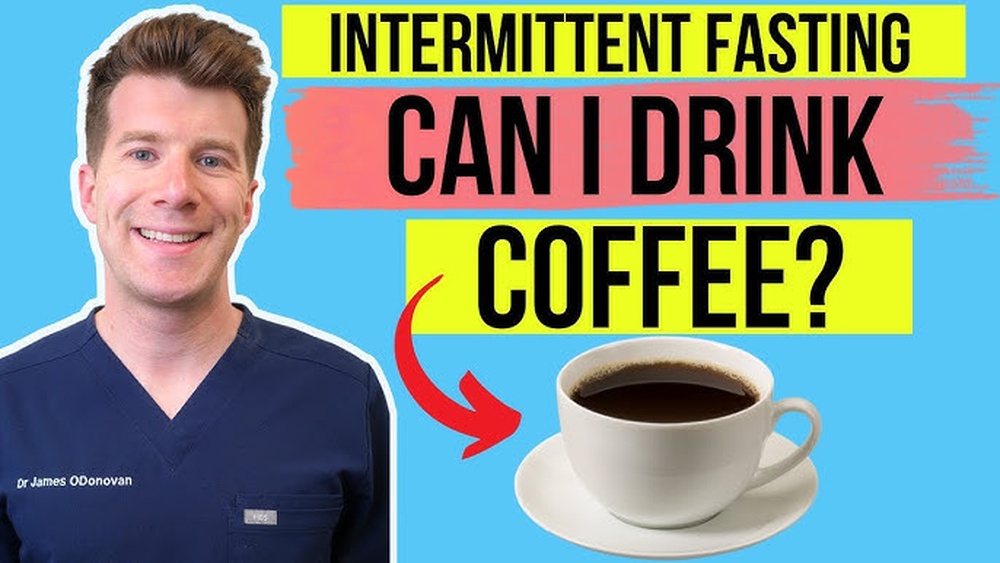
Does Espresso Break A Fast?
Fasting has become more popular in recent years. People use it for weight loss, better health, and even mental clarity. But as fasting grows, so do the questions about what is allowed during a fast. One common question is: Does espresso break a fast? The answer is not as simple as a yes or no. It depends on the reason for your fast, how your body reacts to coffee, and what you add to your espresso.
If you love your morning espresso but want to keep your fast, you are not alone. Many people wonder if a shot of strong coffee will ruin their fasting efforts. Some say black coffee is fine, while others worry about even a drop of calories.
In this article, we will look at what experts, science, and real fasting experiences say about espresso and fasting. You will learn how espresso affects fasting, the role of calories, and what to avoid. By the end, you will know if you can enjoy your espresso without breaking your fast, and how to do it right.
What Is Fasting?
Fasting is simply not eating for a set period. There are many ways to fast, but the most common types are:
- Intermittent fasting: Eat during a set window, fast for the rest (example: 16:8, where you fast for 16 hours and eat during 8).
- Time-restricted eating: Similar to intermittent fasting, but focused on eating only at certain hours.
- Extended fasting: Going without food for 24 hours or longer.
- Religious fasting: Fasting for spiritual reasons, often with specific rules.
People fast for different reasons—weight loss, better blood sugar, longevity, or for religious beliefs. The rules for each type of fast can be different.
What Does “breaking A Fast” Mean?
To answer if espresso breaks a fast, we need to know what “breaking a fast” means. There are two main ways to look at it:
- Metabolic fasting: The focus is on keeping insulin low, burning fat, and letting your digestive system rest.
- Strict fasting: Any calories, even a few, are not allowed.
If you are fasting for autophagy (cell cleaning), weight loss, or blood sugar control, you may be less strict. Some people allow up to 50 calories during a fast and still see benefits. Others believe even a few calories can interrupt fasting, especially for religious or medical fasts.

Credit: organicmerchant.com.au
Espresso: What’s In It?
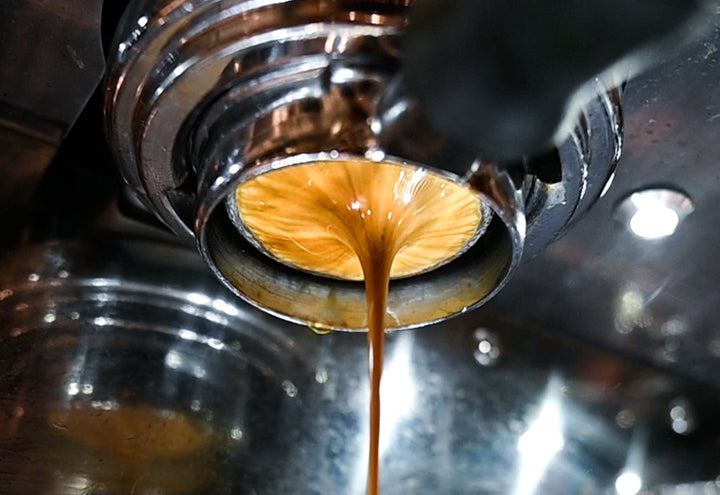
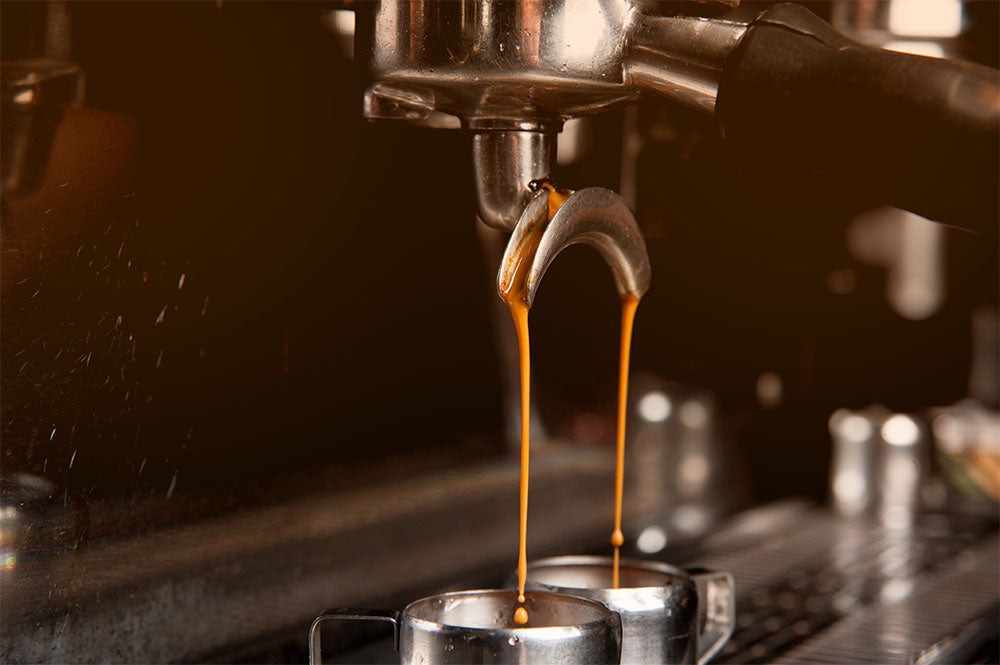
Espresso is a strong coffee made by forcing hot water through finely ground coffee beans. It is different from regular drip coffee. A typical single shot of espresso (about 30–45 ml) contains:
- Calories: 2-5
- Carbohydrates: 0-1 gram
- Fat: 0 grams
- Protein: 0.3 grams
- Caffeine: 60-80 mg
Espresso is very low in calories and contains almost no nutrients except caffeine.
Espresso Vs. Other Coffees (per 30–45 Ml)
| Beverage | Calories | Caffeine | Sugar |
|---|---|---|---|
| Espresso (single shot) | 2-5 | 60-80 mg | 0 |
| Black Coffee (same volume) | 2-3 | 35-50 mg | 0 |
| Latte (with milk) | 30-50 | 30-40 mg | 2-5 g |
| Americano | 2-5 | 60-80 mg | 0 |
As you can see, espresso is very low in calories and sugar if you drink it plain.
How Fasting Works In The Body
When you fast, your body starts using stored energy. First, it burns glucose (sugar). After a few hours, it begins to burn fat for fuel. Insulin levels drop, and growth hormone rises. This process helps with weight loss, cell repair, and may reduce inflammation.
Eating food (especially carbs or protein) raises insulin and stops fat burning. Even a small number of calories can raise insulin, but the effect depends on how much you consume and your body’s sensitivity.
Does Espresso Break A Fast? The Science
Calories And Insulin Response
A fast is usually broken when your body detects calories and starts digesting food. A plain espresso contains 2-5 calories. For most people, this tiny amount does not cause a big insulin spike or stop fat burning. Studies suggest that drinking black coffee or espresso does not significantly raise blood sugar or insulin in healthy people.
- Autophagy: Research shows autophagy (cell cleaning) is not likely to stop with a few calories from coffee.
- Fat burning: Caffeine in espresso may even increase fat burning and boost metabolism slightly.
- Blood sugar: Espresso does not have enough sugar or protein to raise blood sugar much.
Key Insight: Caffeine And Fasting
Caffeine can actually help fasting in small doses. It may reduce hunger, improve alertness, and support fat loss. However, some people are sensitive to caffeine and may feel jittery or anxious. If you react strongly to espresso, it could stress your body and make fasting harder.
Exceptions: Who Should Be Careful?
Some groups should be more careful:
- Diabetics: Even small caffeine amounts can change blood sugar response.
- People with acid reflux: Espresso is strong and can irritate the stomach.
- Religious fasts: Some fasts allow only water; even coffee is not allowed.
Common Additions To Espresso: Do They Break A Fast?
Most people don’t drink espresso plain. What you add matters a lot.
Milk And Cream
Adding milk or cream to espresso increases calories and carbs. Even a small splash can have 10-20 calories. This is enough to break a strict fast and may slow fat burning.
Sugar Or Sweeteners
- Sugar: Even 1 teaspoon (about 16 calories) breaks a fast.
- Artificial sweeteners: Most have zero calories but may cause an insulin response in some people. Some studies suggest sweet taste alone can trigger insulin.
Flavored Syrups
These are high in sugar and calories. They break a fast right away.
Butter Or Oil (bulletproof Coffee)
Some people add butter or coconut oil (MCT oil) to coffee. This is called “bulletproof coffee. ” While these are mostly fat and do not raise insulin much, they still add calories (100-200 or more per serving). This breaks a fast unless you follow a “fat fast,” which is not true fasting.
Comparison: Additions To Espresso
| Addition | Typical Calories | Breaks Fast? |
|---|---|---|
| Plain espresso | 2-5 | No (for most people) |
| 1 tsp sugar | 16 | Yes |
| 30 ml milk | 15-20 | Yes |
| 1 tsp cream | 20-25 | Yes |
| Artificial sweetener | 0 | Maybe |
| Butter/MCT oil | 100+ | Yes |
If you want to keep your fast, drink espresso without any additions.
Different Types Of Fasts And Espresso
Weight Loss Fasting
For most people fasting to lose weight, a plain espresso is fine. The tiny number of calories will not stop fat burning. Espresso may even help reduce appetite.
Autophagy Fasting
If you fast to trigger autophagy, most studies show a few calories from plain coffee or espresso do not stop the process. However, if you want to be 100% sure, stick to water only.
Religious Fasting
Rules vary by religion:
- Islamic fasting (Ramadan): No food or drink during fasting hours. Espresso breaks the fast.
- Christian fasting: Rules differ; some allow black coffee, some do not.
- Other religious fasts: Check specific guidelines.
Medical Fasting
If you fast for medical reasons (before surgery or tests), only water is allowed. Espresso is not safe in these cases.
Non-obvious Insights Beginners Miss
- Espresso’s acidity can upset the empty stomach. Many people only think about calories, but espresso’s acidity may cause stomach pain, nausea, or acid reflux, especially during a fast. If you feel discomfort, try a milder coffee or drink water first.
- Drinking espresso may mask true hunger. Caffeine can lower your sense of hunger, which seems helpful but may make it harder to listen to your body’s real signals. Some people overdo fasting because they feel less hungry with coffee, which can lead to overeating later.
The Role Of Espresso In Appetite And Energy
Drinking espresso during a fast can help in a few ways:
- Reduces hunger: Caffeine blocks adenosine, making you feel less tired and hungry.
- Boosts focus: Many people report better mental clarity with espresso while fasting.
- Increases metabolism: Caffeine can slightly increase calorie burning.
But, these effects are short-lived and differ by person. Some people may feel a “crash” or anxiety after the caffeine wears off.
How Many Espressos Are Safe During A Fast?
There is no strict limit, but most experts suggest no more than 3–4 shots of espresso (200–300 mg caffeine) during a fasting window. Too much caffeine can cause jitters, anxiety, or trouble sleeping.
Tip: Drink water between espressos to stay hydrated. Fasting with coffee can make you urinate more, leading to dehydration.
Credit: www.compasscoffee.com
Gender Differences: Does Espresso Affect Men And Women Differently During Fasting?
Some research shows women may react more strongly to caffeine during a fast. Women’s hormones can change how the body breaks down caffeine, especially before their period. This means women may feel more anxious, get headaches, or have trouble sleeping from espresso on an empty stomach.
If you notice these effects, cut back or try decaf espresso.
What About Decaf Espresso?
Decaf espresso has almost no caffeine but still contains 2–5 calories. It is safe for fasting, but it will not provide the alertness or hunger-blocking effects of regular espresso.
Common Myths About Espresso And Fasting
Myth 1: “any Calories Break A Fast.”
Not true for all types of fasting. A few calories from black coffee or espresso usually do not stop the main fasting benefits (fat burning, autophagy).
Myth 2: “espresso With Sweeteners Is Always Safe.”
Artificial sweeteners can trigger insulin in some people, even without calories. Listen to your own body’s response.
Myth 3: “espresso Always Helps You Fast Longer.”
For some, espresso helps manage hunger. For others, it can cause anxiety, stomach pain, or make fasting harder.
Practical Tips For Drinking Espresso During A Fast
- Drink plain espresso. Skip milk, sugar, cream, or syrups.
- Limit to 2-4 shots per fasting window. Too much caffeine can stress your body.
- Drink water too. Espresso is dehydrating.
- Watch your body. If you feel anxious, shaky, or have stomach pain, cut back.
- Try decaf if sensitive. You can still enjoy the taste.
- Break your fast with gentle foods. Don’t go from fasting to heavy meals, especially if you’ve had a lot of espresso.
Who Should Avoid Espresso While Fasting?
- People with stomach problems: Espresso is acidic and strong.
- Those with high blood pressure: Caffeine can raise blood pressure.
- People who get anxious or jittery: Fasting plus espresso can make this worse.
- Pregnant women: Limit caffeine (less than 200 mg/day).
If in doubt, talk to your doctor before adding espresso to your fasting routine.
Summary Table: Does Espresso Break A Fast? (by Fasting Type)
| Fasting Type | Plain Espresso | With Milk/Sugar | Strict (Water Only) |
|---|---|---|---|
| Weight Loss | No | Yes | Yes |
| Autophagy | No (usually) | Yes | Yes |
| Religious | Yes | Yes | Yes |
| Medical | Yes | Yes | Yes |
Research And Expert Opinions
Leading health experts like Dr. Jason Fung and Dr. Valter Longo agree that black coffee and plain espresso do not break most fasts when used in moderation. Studies have found that coffee drinkers have lower risks of type 2 diabetes and some cancers. But these benefits depend on drinking coffee without lots of sugar or cream.
One study published in *Cell Metabolism* found that coffee (without sugar) does not stop autophagy, a key benefit of fasting. Another research paper from the *American Journal of Clinical Nutrition* found that black coffee does not raise insulin levels much in healthy people.
For more details on how coffee affects fasting, see this Healthline article.
How To Know If Espresso Breaks Your Fast
The best way is to test yourself:
- Try plain espresso during your fast. Notice how you feel.
- Check your blood sugar or ketones (if you have a meter). If they don’t change, your fast is not broken.
- Watch for hunger, energy, or stomach issues.
Remember, everyone is different. What works for one person may not work for you.
Credit: coffeebros.com
Frequently Asked Questions
Does Espresso Raise Insulin During A Fast?
Plain espresso has almost zero calories and sugar, so it does not raise insulin much for most people. However, if you are very sensitive or add sugar/milk, insulin can increase.
Can I Use Artificial Sweeteners In My Espresso While Fasting?
Most artificial sweeteners have zero calories, but some may trigger an insulin response or make you crave sweets. If you want to be strict, avoid them. If you use them and feel no change, they are probably fine for you.
Is Decaf Espresso Better For Fasting Than Regular Espresso?
Decaf espresso is fine for fasting if you are sensitive to caffeine. It has almost no calories, but it also will not give you the hunger-reducing or energy-boosting effects of regular espresso.
Will Drinking Espresso Stop Autophagy During Fasting?
Most studies show that a few calories from plain espresso do not stop autophagy. However, if you want to be very strict, stick to water. Adding milk, cream, or sugar will stop autophagy.
How Long After Drinking Espresso Should I Wait Before Eating To Keep My Fast Effective?
You do not need to wait after drinking plain espresso if you plan to continue fasting. If you add milk or sugar, you have broken your fast, and it is best to eat soon after to avoid blood sugar swings.
The Bottom Line
For most people, plain espresso does not break a fast when you are fasting for weight loss, autophagy, or general health. It is very low in calories, does not raise insulin much, and may even help reduce hunger and boost alertness. But, adding milk, sugar, or cream will break your fast. If you are fasting for religious or medical reasons, espresso is not allowed.
Listen to your body. If you feel good, you can enjoy espresso during your fasting window. If you notice any negative effects, cut back or try decaf. Always check the rules for your specific type of fast. And remember, fasting is a tool to improve health—not a punishment.
Enjoy your espresso, but keep it simple for the best results.
For more science-backed information, visit the National Institutes of Health.
Espresso and fasting can work together—but only if you do it right.