Can You Use A Dry Measuring Cup For Liquids?
Measuring ingredients seems simple, but small mistakes can make a big difference in cooking and baking. If you’ve ever wondered, “Can you use a dry measuring cup for liquids?”, you’re not alone. Many people grab whichever cup is nearby, not realizing the impact on their recipes. At first, it might seem like a cup is just a cup. But in reality, the way you measure liquids and dry ingredients changes the final result of your food.
Understanding measuring tools helps you cook and bake with more confidence. If your cakes sometimes turn out dry or your soups taste off, the problem could be your measuring technique. This article will break down the differences between dry and liquid measuring cups, explain why it matters, and offer practical advice for anyone who wants to improve in the kitchen.
Whether you’re new to cooking or have been baking for years, you’ll discover how small details like proper measuring can make your food taste better and your recipes more reliable. Let’s find out what really happens when you use a dry measuring cup for liquids, and how you can avoid common mistakes that even experienced cooks sometimes make.
What Are Dry And Liquid Measuring Cups?
Understanding the difference between measuring cups is the first step. Dry and liquid measuring cups are designed for different purposes.
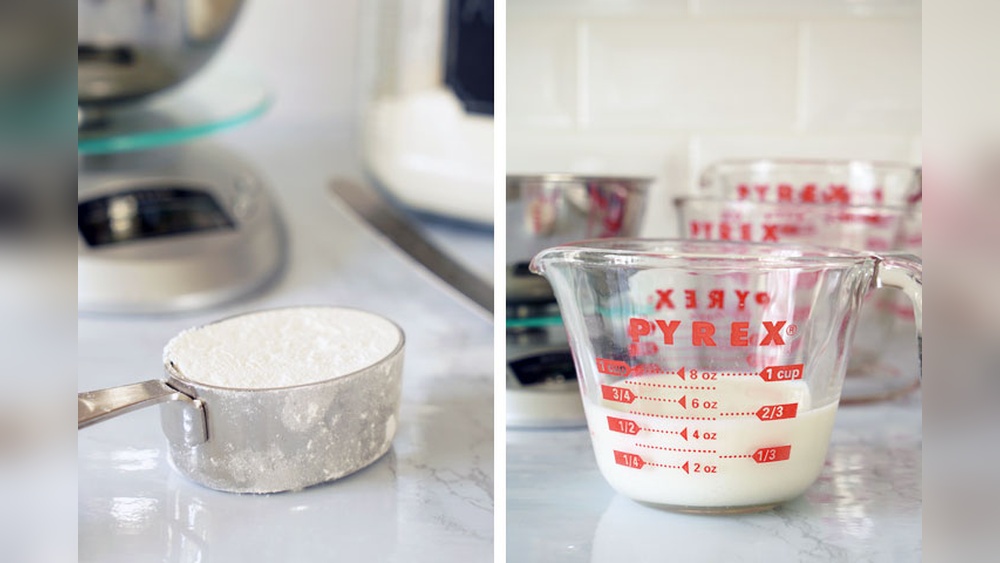
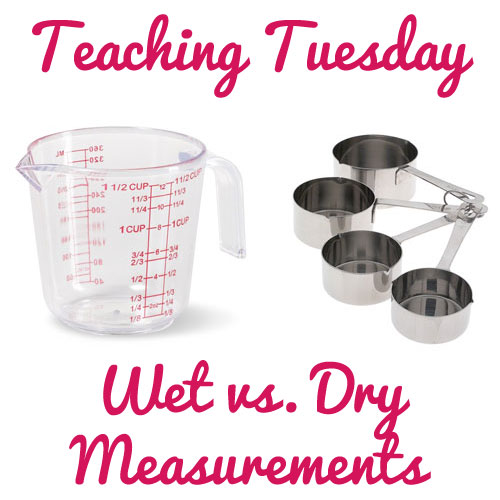
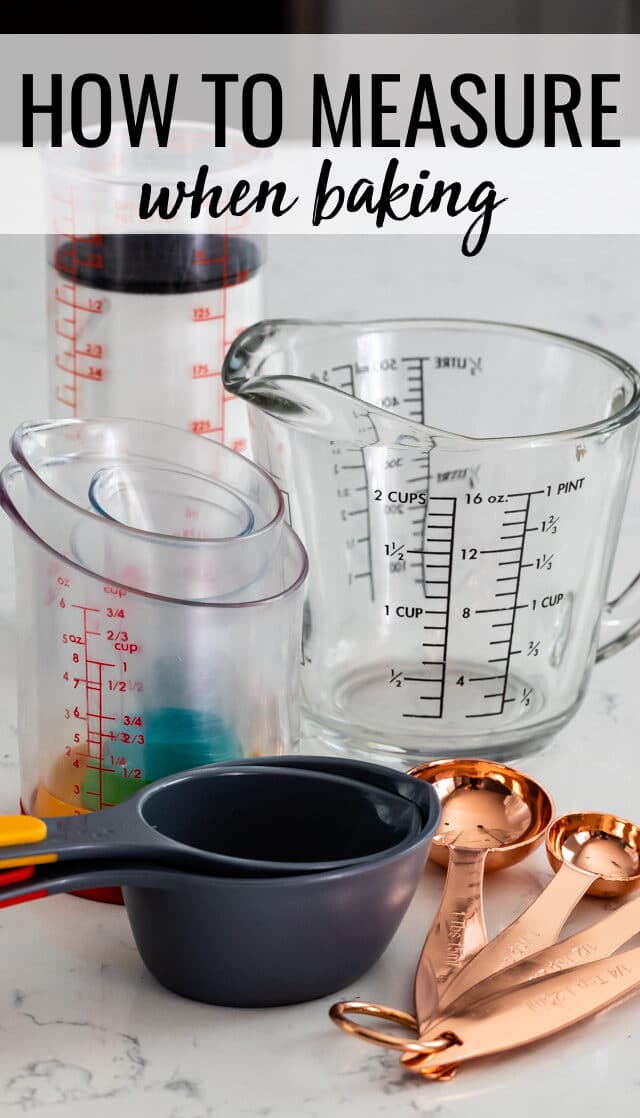
Dry measuring cups are usually made of plastic or metal. They come in sets (1 cup, 1/2 cup, 1/3 cup, 1/4 cup) and are meant to be filled right to the top. You level off the extra with a flat edge, making the measurement exact for ingredients like flour, sugar, or rice.
Liquid measuring cups are usually glass or plastic, with a spout for pouring. They have lines on the side showing different amounts (like 1 cup, 3/4 cup, etc.). You fill them to the line, then pour. They’re made for water, oil, milk, and other liquids.
Here’s a quick look at the differences:
| Feature | Dry Measuring Cup | Liquid Measuring Cup |
|---|---|---|
| Material | Plastic or Metal | Glass or Clear Plastic |
| Design | Flat top, no spout | Spout for pouring |
| Usage | Dry ingredients | Liquids only |
| Measurement Method | Fill to top, level off | Fill to line, check at eye level |
Why Measuring Cups Are Designed Differently
It’s not just about looks. Each type of measuring cup is made to solve a kitchen problem.
How Dry Measuring Cups Work
Dry ingredients like flour or sugar can be packed down or fluffed up. To get a true cup, you need to fill the cup to the very top and then sweep off any extra with a knife or spatula. This gives a flat, level amount.
How Liquid Measuring Cups Work
Liquids move and splash. Liquid cups have space above the measurement line so you can carry them without spilling. You look at the cup at eye level to see when you reach the correct amount.
Why Not Just Use One Type?
If you use a dry cup for liquids, you might spill because there’s no extra space at the top. If you use a liquid cup for dry ingredients, it’s hard to level them properly. This leads to inaccurate measurements, which can ruin recipes.
What Actually Happens When You Use A Dry Measuring Cup For Liquids?
You might think, “If one cup equals one cup, does it really matter? ” The answer is yes, especially if you want consistent results.
Common Problems
- Spilling: Dry measuring cups have no spout and no extra room. When you fill a dry cup with liquid, the liquid can easily spill over.
- Inaccurate Amounts: It’s hard to see exactly when you reach one cup. If you fill past the top, you get too much. If you stop early, you get too little.
- Messy Pouring: Without a spout, pouring milk, oil, or water from a dry cup can be messy and wasteful.
Impact On Recipes
Baking is like chemistry. Even a small change in the amount of liquid can make dough too sticky or too dry. In cooking, too much or too little liquid can change the texture and flavor of sauces, soups, or batters.
A Simple Test
If you pour one cup of water into a dry measuring cup, then try to transfer it into a liquid measuring cup, you may notice a difference. Often, the amount is slightly off because of spills or the way you fill the cup.
This small difference can affect sensitive recipes.
Does The Difference Really Matter?
For some recipes, especially simple soups or stews, a little extra or missing liquid may not hurt. But for baking, desserts, and sauces, accuracy is key.
Where It Matters Most
- Cakes and Breads: Too much liquid makes batter runny and changes baking time.
- Cookies: The wrong amount of liquid can change the texture from chewy to crunchy.
- Sauces and Gravies: Consistency relies on exact measurements.
A study from America’s Test Kitchen found that even a two-tablespoon difference can make baked goods fail. For serious cooks, precision isn’t just a suggestion—it’s a must.
Key Differences Between Measuring Cups
Let’s break down the features that make each type of cup unique.
| Aspect | Dry Cup | Liquid Cup |
|---|---|---|
| Top Surface | Flat, for leveling | Open, space above line |
| Best For | Flour, sugar, grains | Water, oil, milk |
| Accuracy | High for solids | High for liquids |
| Ease of Use | Good for scooping | Good for pouring |
When Can You Get Away With Using A Dry Measuring Cup For Liquids?
There are times when it’s not a disaster to use the “wrong” cup, especially if you’re not baking. Here are some situations:
- Cooking Savory Dishes: If you’re making soup or chili, a small difference in water or broth won’t ruin the meal.
- Mixing Drinks: For a quick lemonade or iced tea, the difference is tiny.
- Camping or Travel: If you only have one measuring tool, it’s better than guessing.
But remember: For baking or recipes that need precision, use the right tool.
Common Mistakes People Make
Even experienced cooks sometimes get measuring wrong. Here are mistakes to watch out for:
- Not Leveling Dry Ingredients: Scooping flour and not leveling it can add up to 25% too much. That makes cakes heavy and dense.
- Measuring Liquids Above Eye Level: If you pour liquid and look down at the cup, you might add more than needed. Always check at eye level.
- Interchanging Cups Out of Convenience: Using what’s handy can lead to inconsistent results.
- Not Cleaning Cups Between Ingredients: Mixing oil and then flour in the same cup without washing can affect taste and texture.
Practical Tips For Accurate Measuring
If you want your recipes to work every time, try these simple tips:
- Use the right cup for the job. Dry for dry, liquid for liquids.
- Level off dry ingredients. Use a knife or spatula for an exact amount.
- Check liquids at eye level. Set the cup on a flat surface, pour slowly, and check the mark.
- Clean cups between uses. Especially important when switching between oil, honey, and flour.
- Don’t pack dry ingredients unless the recipe says to (like brown sugar).
- Spoon flour into the cup if you don’t want to pack it down—never scoop directly from the bag for light ingredients.
Do Measuring Cups Really Give The Same Amount?
This is a question that comes up often. You might think, “If one cup is 240 milliliters, why does it matter which cup I use? ”
The Science
A standard US cup is 240 ml. But the method of measuring changes the outcome. With dry ingredients, air can be trapped, or the cup can be packed. With liquids, the surface (meniscus) curves at the top, and the right amount is at the bottom of the curve.
That’s why liquid cups are clear and have lines.
Global Differences
Not all countries use the same cup size. In the UK, a cup is 250 ml. In Japan, it’s 200 ml. This is important if you use international recipes.
How Professional Chefs Measure
Most professional chefs and bakers use kitchen scales for the best accuracy. Measuring by weight (grams or ounces) removes any guesswork. But at home, most people still use cups and spoons.
If you want to improve your skills, consider investing in a simple digital scale. It makes a big difference for bread, cakes, and even sauces.
Real-life Examples: What Can Go Wrong
Sometimes, a recipe doesn’t work, and you can’t figure out why. Here are some common problems caused by bad measuring:
- Flat Cakes: Using too little liquid makes cakes dense and flat.
- Gooey Cookies: Too much water or oil makes cookies spread and burn.
- Lumpy Pancakes: The wrong balance of dry and wet causes clumps.
- Sauces That Separate: Too much liquid can stop sauces from thickening.
Even experienced bakers make these mistakes when they rush or guess measurements.
Simple Experiments To Try At Home
If you want to see the difference yourself, try these:
- Water Test: Fill a dry measuring cup to the top with water. Pour it into a liquid measuring cup. Is it exactly one cup? Did you spill?
- Flour Weight Test: Scoop flour into a dry cup, then weigh it. Spoon flour into another cup and weigh again. You might get different results (usually 10-20% difference).
- Recipe Test: Make pancakes twice—once measuring perfectly, once with rough estimates. Compare the texture and taste.
These experiments show why accuracy matters.
The Role Of Measuring Spoons
Don’t forget about measuring spoons. Like cups, they come in sets (tablespoon, teaspoon, etc.). Use flat spoons for dry, and fill them carefully for liquids. The wrong spoon can also throw off a recipe.
Cleaning And Maintaining Measuring Cups
Clean cups work better and last longer. Here’s how to keep them in top shape:
- Wash after every use, especially if you measured oil or sticky ingredients.
- Check for cracks or fading lines—replace cups if you can’t read the marks.
- Store dry cups nested together, and keep liquid cups upright to avoid damage.
Credit: happyherbivore.com
When Is It Okay To Substitute?
Sometimes, you don’t have both types of cups. If you need to substitute, here’s what to remember:
- For small amounts (1/4 cup or less), the error is usually small.
- For larger amounts, fill carefully and pour slowly to avoid spills.
- For important recipes (cakes, breads, soufflés), try not to substitute.
Alternatives To Measuring Cups
If you want more accuracy or don’t have the right tool, try these:
- Kitchen Scale: Weigh ingredients for the best results.
- Graduated Cylinder: For very precise liquid measuring (common in labs, sometimes found in advanced kitchens).
- Measuring by Volume: Some recipes use milliliters or liters—use a measuring jug with metric markings.
Non-obvious Insights Most Beginners Miss
Even if you follow all the basic rules, there are a few details that can surprise you:
- Temperature Changes Volume: Hot liquids expand, cold ones shrink. Always measure at room temperature for best accuracy.
- Meniscus Effect: With liquids, always read the measurement at the bottom of the curve, not the top. This small difference adds up, especially in small cups.
- Sticky Ingredients: For honey, syrup, or peanut butter, coat your cup with oil first. The ingredient slides out easily, and you get a full measure.
Why Consistency Is Key
The best chefs use the same tools and methods every time. This creates consistent results. If you switch cups or guess amounts, your food will taste different each time.
Consistency is especially important if you want to improve or share recipes with friends.
:max_bytes(150000):strip_icc()/GettyImages-164780388-0864f35c287d4e809ae8d315dbd64464.jpg)
Credit: www.southernliving.com
Expert Advice: What The Pros Recommend
Cooking experts and food scientists agree: use the right measuring cup for the right job. This isn’t just a “nice to have” detail—it’s a basic kitchen skill.
For more guidance, see the detailed advice from the Culinary Institute of America.
Quick Reference: When To Use Each Cup
Here’s a simple guide:
- Dry Measuring Cups: Flour, sugar, rice, grains, spices, baking powder, cocoa
- Liquid Measuring Cups: Water, milk, oil, juice, melted butter, vinegar
Credit: www.crazyforcrust.com
Essential Measuring Tips For International Cooks
If you cook with recipes from other countries, remember:
- Cup sizes vary: Check if the recipe uses US, UK, or metric cups.
- Convert when needed: Use online tools to change from cups to grams or milliliters.
- Weigh for best results: Especially for baking.
Measuring Cup Care And Replacement
Even the best measuring cups wear out. Replace them when:
- Markings fade and you can’t see the lines
- Cups are chipped, warped, or stained
- Handles break or come loose
Good measuring tools are a small investment that pays off with better food.
How To Shop For Measuring Cups
If you’re buying new cups, look for:
- Clear, easy-to-read markings
- Durable material (stainless steel, glass, or sturdy plastic)
- Multiple sizes in a set for dry cups
- A sturdy handle and spout for liquid cups
Avoid single, odd-sized cups that don’t match others in your kitchen.
The Bottom Line: Should You Use A Dry Measuring Cup For Liquids?
While you can use a dry measuring cup for liquids in a pinch, it’s not the best choice. You’ll get more accurate, less messy results with the right tool. For baking or precise recipes, always use a liquid measuring cup for liquids and a dry cup for dry ingredients.
This small change makes your food taste better and your recipes more reliable.
If you want to cook like a pro, start with the basics. Accurate measuring is one of the easiest ways to improve your kitchen skills—no extra cost or training needed.
Frequently Asked Questions
Can I Use A Liquid Measuring Cup For Dry Ingredients?
Yes, but it’s not ideal. It’s hard to level dry ingredients in a liquid cup, which can give you too much or too little. For best results, use a dry cup for dry items.
Is There A Difference Between Us And Uk Measuring Cups?
Yes. A US cup is 240 milliliters; a UK (imperial) cup is 250 milliliters. Always check the recipe’s origin and adjust if needed.
What If I Only Have One Type Of Measuring Cup?
For casual cooking, use what you have but measure carefully. For baking or important recipes, try to get both types or use a scale for better accuracy.
Can Measuring Errors Really Ruin A Recipe?
Absolutely. Especially in baking, even a small error can change texture, taste, or appearance. Consistent measuring gives the best results.
Where Can I Learn More About Measuring Techniques?
You can find detailed guides and videos from trusted sources like the Food Network, which offer step-by-step lessons and tips for all skill levels.
Cooking is both an art and a science. Using the right measuring cup makes both easier—and your food more delicious every time.