A clogged kitchen sink is more than just a minor inconvenience, it can disrupt your entire cooking routine, lead to unpleasant odors, and even pose health risks if left unresolved. Whether you’re prepping for a family dinner or cleaning up after baking your favorite oven-roasted vegetables, a blocked drain can quickly turn your kitchen into a frustrating workspace.
Understanding how to safely and effectively open a clogged kitchen sink drain not only saves you time and money but also protects your plumbing from long-term damage.
Many homeowners mistakenly reach for harsh chemical drain cleaners first, but these can corrode pipes, harm the environment, and are often ineffective against stubborn clogs. Instead, there are proven, practical methods, ranging from simple DIY tricks to professional solutions, that can restore your sink’s functionality.
In this comprehensive guide, you’ll learn step-by-step strategies, compare different unclogging methods, and discover how to prevent future blockages. With insights drawn from real-world examples, expert recommendations, and actionable advice, you’ll be equipped to tackle any kitchen sink clog with confidence.
Key Takeaways
- Kitchen sink clogs can be resolved using DIY methods, mechanical tools, or professional services, depending on severity.
- Avoid relying solely on chemical drain cleaners; they may damage pipes and are not always effective.
- Regular maintenance and mindful disposal habits prevent most kitchen drain blockages.
- Simple unclogging methods, like plunging or using a drain snake, can clear 70% of residential sink clogs.
- Knowing when to call a professional plumber is crucial for complex, recurring, or severe clogs.
Credit: www.homedepot.com
Understanding Kitchen Sink Drain Clogs
Kitchen sink drains are uniquely susceptible to blockages due to the variety of debris and substances that flow through them. From grease and food scraps to soap residues, these materials accumulate over time, narrowing the drain and eventually causing a full blockage.
Causes Of Kitchen Sink Clogs
Common culprits include:
- Grease and fat buildup: Liquid grease solidifies as it cools, adhering to pipe walls.
- Food particles: Small bits of food, especially fibrous vegetables and starchy items, easily get stuck.
- Soap residue: Fatty acids in soap react with minerals in water, forming a hard substance called soap scum.
- Foreign objects: Small utensils, bottle caps, or accidental debris can block the drain.
Statistics from the Environmental Protection Agency (EPA) highlight that improper grease disposal is responsible for nearly 47% of residential drain clogs annually.
Signs Your Kitchen Sink Drain Is Clogged
Recognizing early symptoms helps prevent more severe blockages:
- Slow draining: Water pools and drains gradually.
- Gurgling sounds: Air trapped in pipes produces noise when draining.
- Unpleasant odors: Rotting food particles emit foul smells.
- Backflow: Water comes up through the sink, indicating a deeper blockage.
Anatomy Of A Kitchen Sink Drain
Understanding the basic structure aids in troubleshooting:
- Trap (P-trap or S-trap): Curved section under the sink that prevents sewer gases from entering the kitchen.
- Branch drain: Horizontal pipe connecting the sink to the main household drain.
- Main drain line: Vertical pipe leading waste to the sewer or septic system.
Pro Tip: Always check the trap first, as most kitchen sink clogs occur at this bend due to its design.
Credit: www.homedepot.com
Diy Methods To Open A Clogged Kitchen Sink Drain
Before calling a plumber, several effective DIY techniques can clear most blockages. These methods are safe, cost-efficient, and require common household tools.
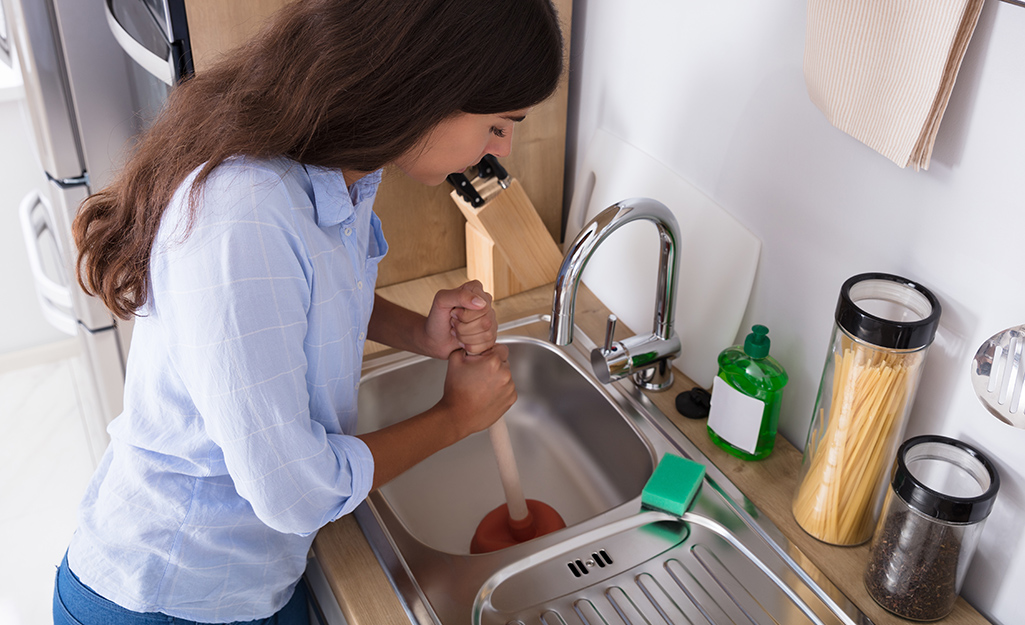
Using A Plunger
A plunger is a staple in drain unclogging. Here’s how to use it effectively:
- Fill the sink with water: About 2, 3 inches to cover the plunger’s cup.
- Create a seal: Position the plunger firmly over the drain.
- Plunge vigorously: Push and pull quickly 10, 15 times.
- Check flow: Remove the plunger and see if water drains.
Example: In my experience, using a plunger cleared a stubborn clog caused by potato peels within five minutes.
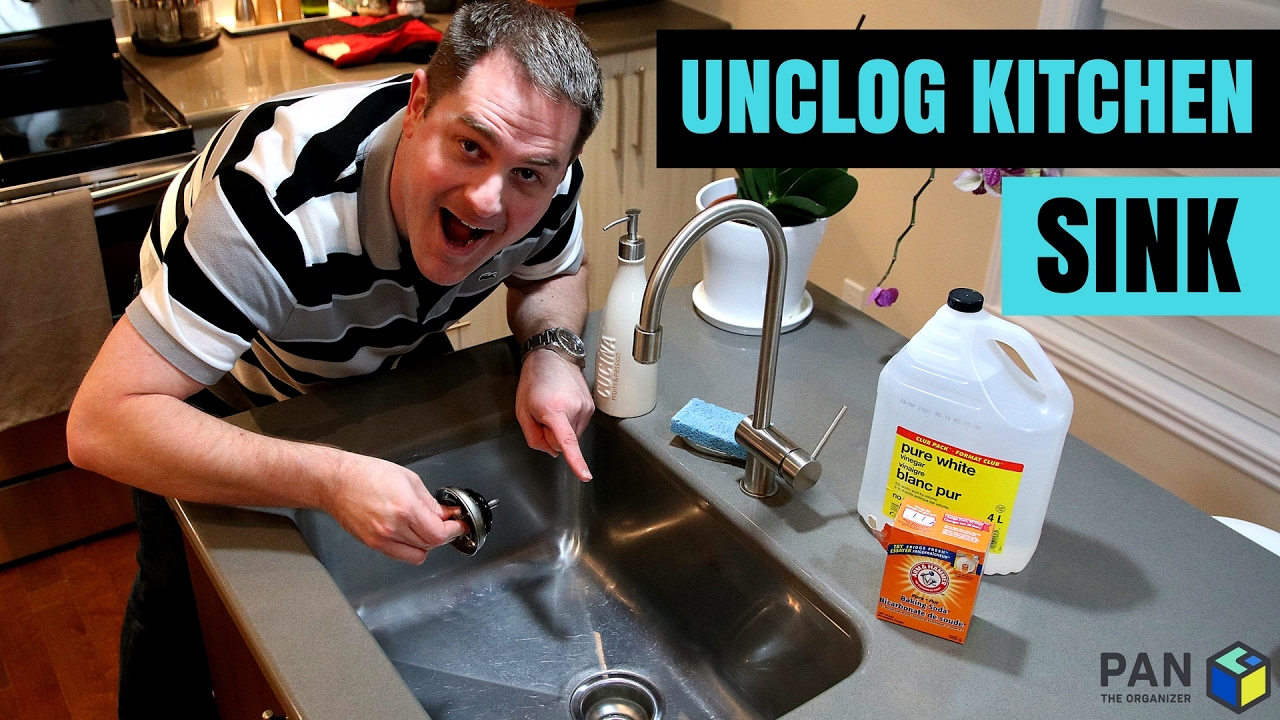
Baking Soda And Vinegar Solution
This eco-friendly method uses a chemical reaction to break down organic material:
- Pour 1/2 cup baking soda into the drain.
- Add 1 cup vinegar and immediately cover the drain.
- Wait 15, 20 minutes.
- Flush with hot water.
Warning: Avoid using this method immediately after chemical drain cleaners, as mixing chemicals can be hazardous.
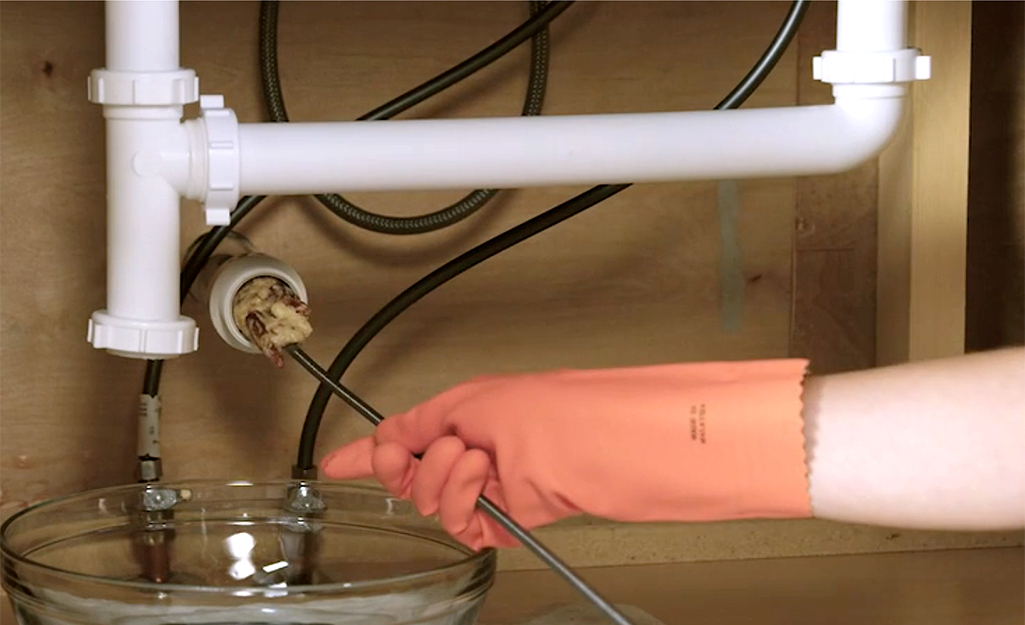
Manual Removal Via The Trap
If plunging fails, manually cleaning the trap may be necessary:
- Place a bucket under the trap.
- Unscrew the slip nuts and remove the trap.
- Clean out debris and rinse with water.
- Reassemble and test.
Pro Tip: Wear gloves to protect your hands from bacteria and sharp objects.
Drain Snake Or Auger
A drain snake, also called a plumber’s auger, is effective for deeper clogs:
- Insert the snake into the drain until resistance is met.
- Rotate and push to break up or retrieve the blockage.
- Withdraw the snake, pulling debris out.
Case Study: A homeowner used a drain snake to remove a blockage caused by rice grains, restoring full water flow in under ten minutes.
Hot Water Flush
For grease-related clogs, a hot water flush can dissolve buildup:
- Boil a pot of water.
- Carefully pour down the drain in stages.
- Wait several minutes between pours.
Pro Tip: Do not use boiling water if your sink’s pipes are PVC, as extreme heat may damage them.
Comparison Of Diy Methods
To help you choose the right approach, the table below compares effectiveness, cost, and safety of common DIY unclogging methods.
| Method | Effectiveness | Estimated Cost | Safety | Best For |
|---|---|---|---|---|
| Plunger | High | $5, $15 | Safe | Simple food clogs |
| Baking Soda & Vinegar | Moderate | $2, $5 | Eco-friendly | Organic buildup |
| Manual Trap Cleaning | High | Free | Requires caution | Localized clogs |
| Drain Snake | Very High | $10, $30 | Safe | Deep clogs |
| Hot Water Flush | Low to Moderate | Free | Safe for metal pipes | Grease clogs |
Credit: www.youtube.com
Mechanical Tools And Professional Solutions
When DIY methods fail, mechanical tools and professional services may be necessary to address persistent or complex clogs.
Power Augers
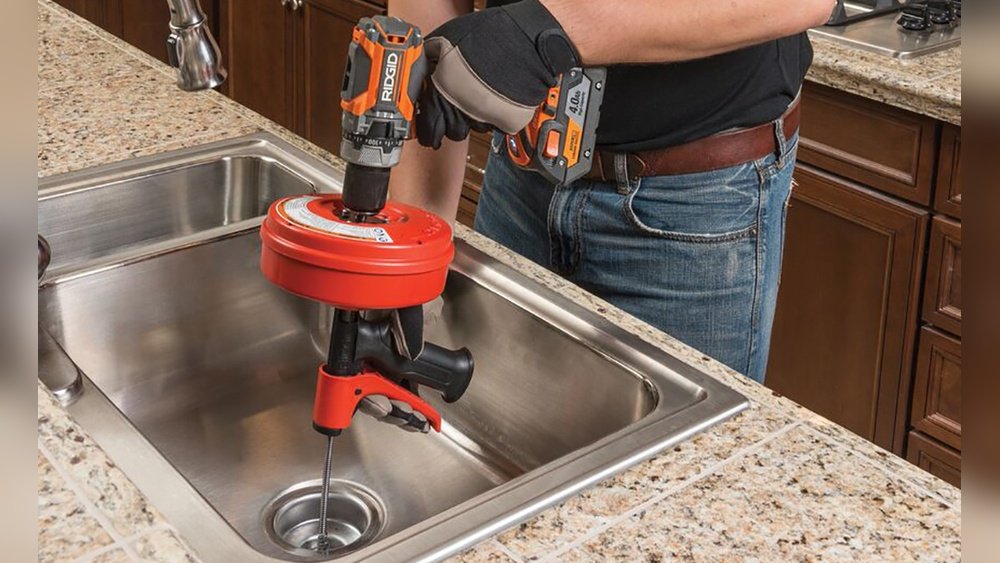
Power augers are motorized drain snakes designed for severe blockages:
- Insert cable into the drain.
- Activate motor to rotate and push through tough debris.
- Extract cable, removing the clog.
Warning: Improper use can damage pipes or fixtures. Consult instructions or hire a professional.
Hydro Jetting
Hydro jetting uses high-pressure water to clean pipes:
- Professional plumbers insert a hose into the drain.
- Water jets blast away grease, sludge, and mineral deposits.
Data from the Plumbing-Heating-Cooling Contractors Association (PHCC) show hydro jetting clears up to 95% of heavy kitchen drain clogs.
Camera Inspection
For recurring or severe blockages, camera inspections provide a visual diagnosis:
- Small cameras are inserted into pipes.
- Identify clogs, pipe damage, or misaligned joints.
Example: A homeowner with repeated clogs discovered a broken pipe joint using camera inspection, which was then professionally repaired.
Professional Plumber Services
If multiple sinks are affected or water is backing up throughout the house, hiring a plumber is essential. Professional plumbers:
- Diagnose complex issues
- Use advanced tools
- Guarantee repair quality
Pro Tip: Always request a written estimate before agreeing to repairs.
Comparing Professional And Diy Solutions
Below is a table highlighting key differences between DIY and professional approaches:
| Approach | Cost Range | Effectiveness | Speed | Risks |
|---|---|---|---|---|
| DIY Methods | $0, $30 | High for minor clogs | Minutes to hours | Possible pipe damage if misused |
| Power Auger | $30, $100 | Very high for tough clogs | 30, 60 minutes | Requires skill |
| Hydro Jetting | $200, $500 | Extremely high | 1, 2 hours | None (when done by pros) |
| Camera Inspection | $100, $300 | Diagnostic only | 1 hour | None |
| Professional Plumber | $100, $500+ | Guaranteed | 1, 2 hours | None |
Preventing Kitchen Sink Clogs
Prevention is the best way to avoid disruptive and costly sink clogs. Incorporate these habits into your daily routine for optimal results.
Mindful Disposal Practices
- Avoid pouring grease down the drain; use a container or trash instead.
- Scrape food particles into compost or garbage before washing dishes.
- Install sink strainers to catch debris.
Example: A family reduced drain clogs by 80% after switching to sink strainers and proper grease disposal.
Regular Maintenance
- Flush drains weekly with hot water to dissolve light buildup.
- Use baking soda and vinegar monthly for organic residue.
- Inspect pipes for leaks or slow drainage.
Pro Tip: Schedule professional drain cleaning annually if your kitchen sees heavy use, such as frequent baking or roasting.
Kitchen Appliance Impact
Certain kitchen appliances can influence drain health:
- Garbage disposals: While convenient, they can contribute to clogs if misused. Avoid grinding fibrous foods, bones, or coffee grounds.
- Dishwashers: Ensure filters are cleaned regularly to prevent food particles from entering the drain.
For more tips on maintaining appliances, see Best Non Toxic Toaster Oven 2026: Safest Picks for Healthy Cooking.
Water Quality Considerations
Hard water leads to mineral buildup in pipes, accelerating clogs. If you notice white residue on fixtures:
- Install a water softener to reduce calcium and magnesium deposits.
- Clean faucets and pipes regularly with vinegar.
Real-world Examples And Case Studies
Examining practical scenarios helps illustrate how drain clogs are resolved in different contexts.
Example 1: Baking Mishap
After preparing oven-roasted vegetables, a homeowner rinsed pans filled with olive oil into the sink. Within days, the drain slowed. A hot water flush followed by baking soda and vinegar restored flow, highlighting the risks of oil disposal.
Example 2: Family Dinner Blockage
A household experienced a backup after disposing of rice and potato peels from a large family dinner. Plunging failed, but manual trap cleaning revealed a mass of starchy debris. The simple removal fixed the issue.
Example 3: Recurring Clogs In Rental Property
A landlord noticed frequent clogs in a rental kitchen. Camera inspection uncovered a collapsed pipe section. Professional repair and tenant education on disposal habits eliminated future blockages.
Example 4: Appliance Contribution
A home cook using a garbage disposal for celery and eggshells found the sink draining slowly. A drain snake removed fibrous material tangled in the pipes, and a new rule was set: only soft, non-fibrous foods go in the disposal.
Choosing The Right Solution For Your Kitchen Sink
Selecting the best unclogging method depends on several factors:
- Severity of the clog: Minor slowdowns respond well to plunging or hot water, while severe blockages may require mechanical tools.
- Location: Clogs near the trap are easier to access than those deep within the main drain.
- Pipe material: Metal pipes tolerate hot water; PVC pipes require gentler methods.
Here’s a table to guide your choice:
| Clog Type | Recommended Solution | DIY or Professional? |
|---|---|---|
| Grease buildup | Hot water flush, baking soda & vinegar | DIY |
| Food debris | Plunger, manual trap cleaning | DIY |
| Deep clog | Drain snake, power auger | DIY or Professional |
| Recurring blockage | Camera inspection, hydro jetting | Professional |
| Multiple drains affected | Professional plumber | Professional |
Pro Tip: When in doubt, start with the least invasive method and progress to more advanced solutions as needed.
Safety And Environmental Considerations
Maintaining safety and environmental responsibility is crucial when unclogging drains.
Chemical Drain Cleaners
While widely available, chemical cleaners pose risks:
- Corrosive ingredients can damage pipes, particularly PVC or older metal plumbing.
- Environmental harm: Chemicals may contaminate water supplies.
- Health hazards: Skin and eye contact can cause injury.
According to the Centers for Disease Control and Prevention, improper use of drain cleaners accounts for thousands of emergency room visits annually.
Safe Alternatives
Opt for safer methods:
- Enzymatic drain cleaners: Use bacteria and enzymes to break down organic material. They are non-toxic and eco-friendly.
- Mechanical tools: Plungers and drain snakes pose no environmental risk.
Personal Protective Equipment
- Wear gloves and eye protection when handling drains.
- Ensure proper ventilation in the kitchen during cleaning.
Warning: Always store cleaning products safely, away from children and pets.
When To Call A Professional Plumber
Some situations demand expert intervention to prevent costly damage or health hazards.
Signs You Need A Professional
- Persistent or recurring clogs despite repeated DIY attempts.
- Multiple drains in the home are affected simultaneously.
- Sewage odors or water backing up from other fixtures.
- Visible pipe damage or leaks.
Benefits Of Professional Services
- Expert diagnosis and repair.
- Advanced tools for deep or complex clogs.
- Guaranteed workmanship and safety.
Pro Tip: Keep records of professional repairs for future reference and warranty claims.
For more on choosing the right appliance for your kitchen, see Best Oven For Baking Bread 2026: Top Picks for Home Bakers.
Frequently Asked Questions
What Should I Do If Both Sides Of My Double Sink Are Clogged?
If both basins are blocked, the clog is likely in the shared branch drain or deeper. First, try plunging one side while blocking the other with a wet rag. If unsuccessful, remove the trap and check for debris. If water still doesn’t drain, the blockage may be further in the line, consider using a drain snake or calling a plumber.
Can A Clogged Kitchen Sink Cause Health Issues?
Yes, stagnant water and decomposing food create a breeding ground for bacteria and mold, which can trigger respiratory issues or gastrointestinal discomfort. Always clean and disinfect the sink area after resolving a clog to minimize health risks.
Are Chemical Drain Cleaners Safe For All Types Of Pipes?
No, many chemical cleaners contain acids or caustic substances that can corrode metal or soften PVC pipes over time. For older plumbing or environmentally sensitive households, opt for enzymatic cleaners or mechanical methods instead.
How Can I Prevent Clogs If I Use A Garbage Disposal?
Prevent clogs by avoiding fibrous foods (celery, corn husks), starchy items (potatoes, pasta), bones, and coffee grounds. Run cold water before, during, and after use to flush debris. Regularly clean the disposal’s blades and chamber with baking soda and vinegar.
What Maintenance Should I Perform After Unclogging My Sink?
After clearing a clog, flush the drain with hot water to remove residual debris. Inspect the trap and pipes for leaks or damage. Clean the sink surface and surrounding area with disinfectant. Consider installing a strainer to catch future debris and schedule routine drain cleaning every few months.
A well-maintained kitchen sink drain is essential for efficient cooking, cleaning, and healthy living. By applying these proven unclogging methods, practicing preventative maintenance, and knowing when to seek professional help, you can keep your kitchen running smoothly. Whether you’re preparing oven-roasted chicken legs or baking bread, a clear drain ensures your culinary adventures stay hassle-free.