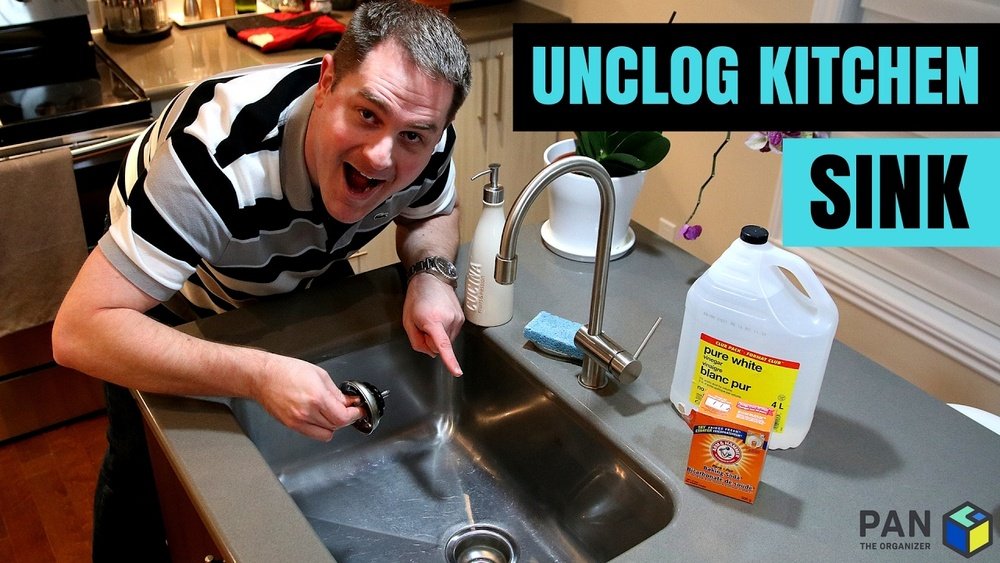
A kitchen sink that won’t drain can bring your cooking, cleaning, and daily life to a grinding halt. Picture the frustration of murky water pooling around your dishes, food particles floating, and the persistent odor that soon follows. A clogged kitchen sink isn’t just inconvenient, it can be a sign of deeper plumbing issues that, if ignored, may lead to water damage, expensive repairs, or even health hazards from bacteria growth.
But before you call a plumber or reach for harsh chemicals, know that most kitchen sink clogs are fixable with a systematic, step-by-step approach. Whether you’re a home chef who just finished preparing a hearty batch of oven roasted vegetables or a busy parent rinsing baby bottles, restoring your sink’s flow is possible with the right methods.
This comprehensive guide walks you through diagnosing, fixing, and preventing kitchen sink drainage problems, backed by expert advice, real-world examples, and a focus on safety and sustainability.
Key Takeaways
- Common causes of kitchen sink clogs include food waste, grease buildup, and foreign objects.
- DIY unclogging methods range from boiling water and plungers to natural solutions like baking soda and vinegar.
- Advanced fixes may require P-trap cleaning or snaking the drain, but not every situation needs a plumber.
- Regular maintenance and smart kitchen habits can drastically reduce future clogs.
- Use this guide to decide when to try a fix yourself and when to seek professional help.

Credit: www.youtube.com
Understanding Why Kitchen Sinks Stop Draining
A kitchen sink’s drainage system is designed for everyday use but is vulnerable to blockages from a variety of sources. Knowing how and why clogs occur is crucial to selecting the right fix and preventing future issues.
Most Common Causes Of Kitchen Sink Clogs
- Grease and Oil Buildup: When hot fats cool, they solidify and cling to pipe walls.
- Food Particles: Rice, pasta, eggshells, coffee grounds, and fibrous vegetables are notorious for causing blockages.
- Soap Scum: Soap can combine with minerals in water, creating sticky residue that traps debris.
- Foreign Objects: Small utensils, jewelry, or even sponges can accidentally drop into the drain.
- Faulty Garbage Disposal: Dull blades or jammed mechanisms can let waste accumulate.
How Kitchen Sink Drains Work
A typical sink setup includes:
- Strainer: Catches large debris before it enters the drain.
- P-Trap: The U-shaped pipe beneath the sink, designed to retain a water seal and block sewer gases.
- Branch Drain Line: Connects to the main home plumbing.
Signs Your Sink Is Not Draining Properly
- Water draining slowly or not at all.
- Gurgling sounds or bubbling in the drain.
- Unpleasant odors from the sink.
- Water backing up into other fixtures.
Example: Grease Clog Case
A family in Boston frequently poured bacon grease down their kitchen sink. Within weeks, water was draining sluggishly. Inspection revealed a thick, waxy plug in the P-trap, the classic result of accumulated fats.
Pro Tip: Always let grease cool and dispose of it in the trash, not the sink.
:max_bytes(150000):strip_icc()/how-to-unclog-a-kitchen-sink-2718799_sketch_FINAL-6d86f43bcb464f8ca5b61f240c2d8bf9.png)
Credit: www.thespruce.com
Initial Steps: Diagnosing The Problem
Before grabbing tools or chemicals, take these preliminary steps to identify the clog’s location and severity.
Step 1: Remove Standing Water
Use a cup or small container to bail out any standing water into a bucket. This allows for easier inspection and prevents spills.
Step 2: Inspect The Sink And Drain
- Remove the drain strainer and check for visible debris.
- Shine a flashlight into the drain to spot blockages near the surface.
Step 3: Test The Garbage Disposal
If equipped, run the disposal with cold water. Sometimes, clogs are caused by jams or dull blades.
- If the disposal hums but doesn’t spin, turn it off and use a hex key to manually rotate the blades.
- Never put your hand inside a disposal.
Step 4: Check For Overflow Issues
If water backs up into a dishwasher or other sink, the clog is likely deeper in the branch line.
Step 5: Assess Drainage In Adjacent Fixtures
Flush nearby toilets or run other sinks. If they’re slow too, the blockage may be further down the main drain.
Diy Solutions: Clearing A Kitchen Sink Clog
Many kitchen sink clogs can be resolved with simple household tools and non-toxic solutions. Here are the most effective DIY methods, listed from easiest to most advanced.
Boiling Water Method
Pouring boiling water down the drain can dissolve minor grease or soap clogs.
Steps:
- Heat a kettle of water to boiling.
- Slowly pour the water directly into the drain in two to three stages, allowing it to work for several seconds between pours.
- Test drainage after each attempt.
Best for: Grease, soap, or light organic buildup.
Warning: Do not use boiling water on PVC pipes, as excessive heat may cause damage.
Plunger Technique
A standard cup plunger (not a flange toilet plunger) creates suction to dislodge stubborn clogs.
Steps:
- Block the overflow hole with a wet rag.
- Fill the sink with enough water to cover the plunger cup.
- Plunge vigorously 8, 10 times, then lift to check flow.
Best for: Food particle clogs or minor obstructions.
Baking Soda And Vinegar Solution
This eco-friendly method uses a chemical reaction to loosen buildup.
Steps:
- Pour ½ cup baking soda into the drain.
- Add 1 cup white vinegar.
- Cover the drain with a stopper for 15, 20 minutes.
- Flush with hot water.
Best for: Organic waste, mild grease, or odor problems.
Example: In my experience, using baking soda and vinegar on a mildly clogged sink after preparing oven baked salmon loosened the fatty residue and eliminated odors within an hour.
Manual Removal With A Zip-it Tool
Plastic drain snakes (Zip-It or similar) are inexpensive and effective for hair or debris near the surface.
Steps:
- Insert the tool as far as it will go.
- Jiggle and pull out, removing trapped gunk.
- Repeat as needed.
Best for: Visible blockages or hair buildup.
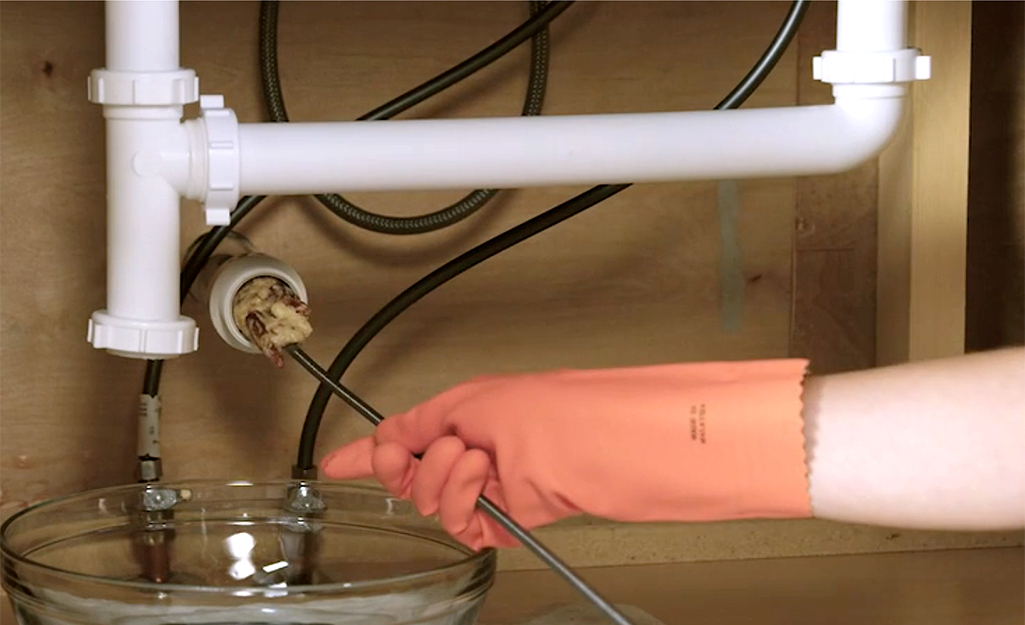
Cleaning The P-trap
If surface methods fail, the clog may be in the U-shaped pipe beneath the sink.
Steps:
- Place a bucket under the P-trap.
- Unscrew the slip nuts and remove the trap.
- Clear out debris with a bottle brush or wire.
- Reassemble and test for leaks.
Best for: Dense clogs, grease plugs, or objects lodged in the trap.
Drain Snake (hand Auger)
A drain snake can reach deeper blockages beyond the P-trap.
Steps:
- Insert the snake into the drain or pipe opening.
- Rotate handle to break up the clog.
- Retrieve debris and flush with water.
Best for: Stubborn blockages beyond the trap.
Comparison: Diy Methods Vs. Chemical Drain Cleaners
| Method | Effectiveness | Safety | Cost | Environmental Impact |
|---|---|---|---|---|
| Boiling Water | Moderate (grease/soap) | Very Safe | Low | None |
| Baking Soda & Vinegar | Moderate (organic) | Very Safe | Low | None |
| Plunger | High (surface clogs) | Safe | Low | None |
| Manual Snake | High (deep clogs) | Safe if used properly | Low-Medium | None |
| Chemical Cleaners | High (dissolves many clogs) | Potentially Hazardous | Medium | Negative |
Pro Tip: Avoid chemical drain cleaners unless absolutely necessary. They can damage pipes, harm the environment, and pose risks to children and pets. If you must use one, follow the manufacturer’s instructions carefully.
Credit: www.homedepot.com
When To Call A Professional Plumber
Some sink clogs are beyond the reach of DIY solutions. Recognizing when to seek expert help can save time, money, and prevent further damage.
Signs You Need Professional Assistance
- Multiple clogged drains: Indicates a main line blockage.
- Recurring backups: Suggests a persistent or deep-seated issue.
- Slow drainage after all fixes: Points to hidden pipe damage or collapsed lines.
- Foul odors that don’t dissipate: May indicate a sewer line problem.
- Water leaking from under the sink: Signals a broken pipe or faulty connection.
What To Expect From A Plumber
A licensed plumber will:
- Inspect the drainage system using cameras or sensors.
- Use professional-grade augers or hydro-jetting for stubborn clogs.
- Repair or replace damaged pipes as necessary.
- Offer advice on preventing future problems.
Example: Real-world Plumbing Intervention
A homeowner in Seattle experienced recurring sink backups. After multiple DIY attempts failed, a plumber used a camera to find tree roots in the main line, well beyond the reach of household tools. The issue required hydro-jetting and partial pipe replacement.
Cost Comparison: Diy Vs. Professional Plumbing
| Solution | Average Cost | Time Required | Success Rate |
|---|---|---|---|
| Boiling Water/Baking Soda | $0-$5 | 15-30 min | 60-70% |
| Plunger/Zip-It Tool | $5-$15 | 10-30 min | 70-80% |
| Manual Snake | $15-$40 | 30-60 min | 80-90% |
| Professional Plumber | $150-$350+ | 1-2 hrs | 99% |
Pro Tip: Most kitchen sink clogs can be fixed for under $20. Call a plumber only if you’ve exhausted the safe DIY options or suspect a major plumbing issue.
Preventing Future Kitchen Sink Clogs
Prevention is the best cure for kitchen sink drainage problems. By adopting smart habits and regular maintenance, you can keep your drains running smoothly for years.
Proper Disposal Of Waste
- Scrape food scraps into the trash or compost before rinsing dishes.
- Pour cooled grease into a container, not the sink.
- Avoid washing down fibrous foods (celery, potato peels), eggshells, or coffee grounds.
Use Of Sink Strainers
Install a mesh or silicone strainer to catch debris before it enters the drain. Clean it daily.
Regular Flushing
Once a week, pour a kettle of hot water down the drain to melt away minor grease buildup.
Monthly Baking Soda Rinse
Pour ½ cup baking soda followed by hot water down the drain each month to neutralize odors and prevent residue.
Garbage Disposal Best Practices
- Run cold water before, during, and after use.
- Feed small amounts of waste at a time.
- Avoid grinding hard materials (bones, fruit pits).
Example: Preventive Maintenance Success
A couple who frequently baked at home (see: best oven for bakery) developed a routine of flushing their sink with hot water after every baking session. They haven’t needed a plumber in over five years.
Sustainable And Non-toxic Drain Care
Environmental safety and health should be top priorities when caring for kitchen drains. Many traditional cleaners contain harsh chemicals that can corrode pipes and pollute water systems.
Natural Alternatives
- Baking Soda and Vinegar: Safe, effective, and eco-friendly.
- Enzyme Drain Cleaners: Use naturally occurring bacteria to digest organic waste; available at most hardware stores.
Avoiding Harmful Chemicals
Steer clear of products containing lye or sulfuric acid unless recommended by a professional. These can damage older pipes and are dangerous if splashed.
Responsible Grease Disposal
Let fats solidify in a can or container, then dispose of them with regular trash or at a recycling center.
Pro Tip: Some municipalities offer free grease recycling programs. Check your local waste management website for details.
Case Study: Community Grease Recycling
The city of San Francisco reduced sewer blockages by 60% after launching a residential grease recycling initiative (see San Francisco Public Utilities Commission).
When To Upgrade Or Replace Kitchen Plumbing
Sometimes, repeated drainage problems are a sign your kitchen plumbing needs an upgrade.
Signs Your Pipes Need Replacement
- Frequent leaks or corrosion.
- Persistent foul odors despite cleaning.
- Visible rust or mineral buildup.
- Pipes older than 50 years (common in homes built before the 1970s).
Choosing The Right Materials
Modern plumbing uses materials like PVC, PEX, or copper, each with different lifespans and costs.
| Material | Average Lifespan | Cost | Pros | Cons |
|---|---|---|---|---|
| PVC | 50-70 years | Low | Corrosion resistant, inexpensive | Not heat-resistant |
| PEX | 40-50 years | Medium | Flexible, easy to install | UV sensitive |
| Copper | 70-100+ years | High | Durable, bacteria resistant | Expensive, can corrode |
Upgrading Kitchen Fixtures
Consider replacing old or inefficient fixtures:
- Modern sink strainers and garbage disposals reduce clog risk.
- Touchless faucets can minimize food and grease transfer.
Example: After installing a new PEX drain line and high-efficiency disposal, a family who loves making oven baked chicken drumsticks (best oven baked chicken drumsticks) reported zero clogs for three years.
Consult A Professional For Large-scale Upgrades
Major plumbing projects are best left to licensed plumbers who can ensure code compliance and long-term reliability.
Real-world Examples And Short Case Studies
Example 1: The Holiday Dinner Clog
During a family gathering, a host washed large amounts of mashed potatoes and vegetable peels down the kitchen sink. Within minutes, water backed up. A plunger cleared the surface clog, but a deeper blockage remained. Removing the P-trap revealed a dense mass of starch and peelings, which was manually cleaned out, restoring normal drainage.
Example 2: The Soap Scum Surprise
A couple noticed their sink draining slowly after switching to a new hand soap. A baking soda and vinegar flush helped, but the real solution was switching to a low-residue liquid soap and cleaning the drain weekly.
Example 3: The Forgotten Spoon
A small spoon slipped unnoticed into the drain. The sink backed up repeatedly, resisting all plunging and chemical cleaners. Disassembling the P-trap revealed the spoon lodged horizontally, easily removed by hand.
Pro Tip: Always check for foreign objects in the drain before attempting chemical or mechanical fixes.
Frequently Asked Questions
What Should I Do If My Kitchen Sink Is Backing Up Into My Dishwasher?
This often means the clog is downstream of both your sink and dishwasher connections. Turn off both appliances, avoid running water, and try snaking the branch drain line. If the problem persists, call a licensed plumber to check for main line obstructions.
Can I Use A Wet/dry Vacuum To Clear A Kitchen Sink Clog?
Yes, with caution. Set the vacuum to liquid mode, create a tight seal at the drain, and try to suck the clog out. This works best for shallow, loose obstructions but not for deep or greasy clogs.
How Can I Tell If My Kitchen Sink Pipes Are Leaking After Unclogging?
After reassembling your P-trap or drain, run water for several minutes and inspect all joints. Place a dry paper towel under connections, if it stays dry, you’re leak-free. If you spot drips, tighten fittings or replace worn washers.
Are Enzyme-based Drain Cleaners Safe For All Types Of Pipes?
Most enzyme cleaners are safe for PVC, copper, and older metal pipes. However, always read the product label and consult your plumber if your home has unique or vintage plumbing materials.
How Often Should I Professionally Clean My Kitchen Drain Lines?
For heavily used kitchens, an annual professional cleaning can help prevent major clogs. Households with minimal use can often go 2-3 years between professional services unless problems arise.
A functional kitchen sink is essential for healthy, efficient home cooking, whether you’re prepping for a feast or cleaning up after a quick oven baked wings night (best oven baked wings). By understanding the causes of clogs, using proven DIY methods, and knowing when to call in a professional, you can keep your kitchen running smoothly. Preventive care and responsible disposal habits will save you time, money, and frustration in the long run. For more kitchen maintenance tips or to upgrade your cooking tools, explore resources like Wikipedia Plumbing and your local hardware store’s plumbing section.