
Can You Cut Frozen Meat With A Meat Slicer
Have you ever stood in your kitchen with a block of frozen meat, wondering if your trusty meat slicer can handle the job? It’s a common question for home cooks and food business owners. Slicing frozen meat seems like a time-saver, but is it safe, practical, or even possible?
Understanding the capabilities and limits of your meat slicer is essential for both safety and great results. This guide breaks down everything you need to know—before you risk your equipment or your fingers.
How Meat Slicers Work
A meat slicer (also called a deli slicer or food slicer) uses a sharp, rotating blade to cut meat into thin, even slices. The user pushes the meat toward the blade, and the slicer does the rest. Slicers come in different sizes and strengths, from small home models to heavy-duty commercial machines.
Key Parts Of A Meat Slicer
- Blade: The round, rotating knife that does the cutting.
- Carriage: Holds the meat and moves it safely across the blade.
- Thickness Adjustment: Lets you choose how thin or thick you want your slices.
- Motor: Powers the blade. More power means tougher jobs are possible.
Understanding these parts helps you see why some slicers struggle with frozen meat. The blade and motor must be strong enough to cut through tough, icy texture.
The Challenges Of Cutting Frozen Meat
Before you try slicing frozen meat, it helps to know why it’s tricky. Frozen meat is much harder than chilled or thawed meat. Ice crystals inside the meat make it dense and brittle. Here’s what that means for your slicer:
- Blade Dulling: Frozen meat can quickly wear down a regular slicer blade. A dull blade means rough, unsafe cuts and more strain on the motor.
- Motor Stress: The motor might overheat or even fail if it’s not designed for hard materials.
- Safety Risks: Frozen meat can slip or bounce, leading to dangerous accidents.
- Uneven Slices: It’s hard to get neat, even slices from rock-hard meat.
Many home slicers are not built for frozen foods. Forcing them to slice frozen meat can break the machine or hurt you.
Can You Actually Slice Frozen Meat With A Meat Slicer?
The short answer: sometimes, but with big limitations.
Home Meat Slicers
Most home slicers are designed for chilled or partially thawed meat, not fully frozen blocks. Their blades are usually not strong enough, and their motors can overheat. Using a home slicer on frozen meat can void your warranty and break your machine.
Commercial-grade Slicers
Some commercial meat slicers have stronger blades and motors. Even then, only certain models are meant for frozen foods. These machines can sometimes handle lightly frozen or partially thawed meat—but rarely solid, rock-hard blocks.
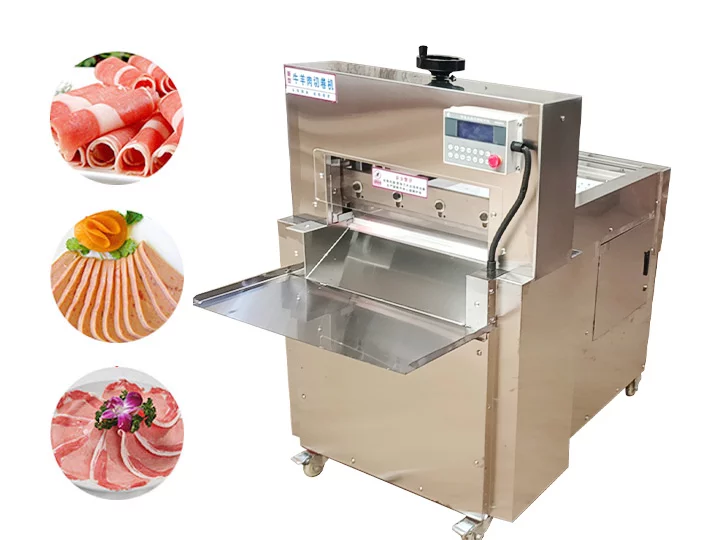
Specialized Frozen Meat Slicers
There are slicers made just for frozen foods. They have:
- Hardened stainless steel blades
- High-torque motors
- Safety features for tough jobs
These machines are expensive and usually found in butcher shops or large kitchens.
Bottom line: Most people should not use a regular meat slicer for fully frozen meat. There are better ways to get safe, clean slices.
What Happens If You Try It Anyway?
You might wonder, “What’s the worst that can happen?” Here’s what to expect if you try slicing frozen meat with a standard slicer:
- The blade might jam or get stuck.
- The motor could overheat or burn out.
- You might get uneven, ragged slices.
- The meat could slip, causing a safety hazard.
- You could void your warranty.
Many users have learned this lesson the hard way—damaged machines, wasted meat, or even injuries. Most slicer manuals warn against using them for frozen foods.
Slicing Frozen Meat Safely: The Best Practices
If you need thin slices from frozen meat, there are safer ways to do it. Here’s how the pros recommend you handle the situation:
1. Partially Thaw The Meat
Let the meat sit in the refrigerator until it’s no longer rock-solid but still firm. This makes slicing easier and safer. Most slicers can handle partially frozen meat (think: cold and firm, not icy).
2. Use A Heavy-duty Or Specialty Slicer
If you must slice frozen meat often, invest in a specialty frozen meat slicer. These are designed for the job, with strong blades and powerful motors.
3. Use The Right Blade
Some slicers offer serrated blades or stronger stainless steel options. These handle tough foods better but still have limits.
4. Cut Meat Into Smaller Pieces First
If you have a very large block, use a butcher’s saw or heavy-duty knife to cut it into smaller chunks. Let those chunks partially thaw before slicing.
5. Safety First
Always wear cut-resistant gloves when handling frozen meat and sharp blades. Never force the meat or try to remove jams with your hands.
The Right Way To Slice Frozen Meat At Home
If you want to slice frozen meat at home, here’s a step-by-step guide:
- Plan Ahead: Move the frozen meat from your freezer to the fridge 2-4 hours before slicing. Let it partially thaw.
- Check the Slicer Manual: See what your model allows. Most will say not to use it on fully frozen meat.
- Set the Blade Thickness: Thicker slices are easier. Start with a thicker setting, then adjust as needed.
- Slice Carefully: Hold the meat firmly. Go slow and don’t force it. If the blade struggles, stop.
- Clean the Slicer: Frozen meat can leave bits and moisture. Clean and dry the machine after use.
Comparing Slicer Types For Frozen Meat
Here’s a simple comparison to help you see which slicers are best for frozen meat:
| Type of Slicer | Can Slice Frozen Meat? | Best For | Cost |
|---|---|---|---|
| Home Meat Slicer | No (not recommended) | Chilled meats, cheese, veggies | Low |
| Commercial Meat Slicer | Partially frozen only | High-volume slicing | Medium to High |
| Specialty Frozen Meat Slicer | Yes | Frozen meat, fish blocks | High |
| Butcher’s Saw/Knife | Yes (manual) | Breaking down large frozen pieces | Low to Medium |
What Makes A Slicer Good For Frozen Meat?
Not all slicers are created equal. If you’re shopping for a slicer that can handle frozen meat, focus on these factors:
Blade Quality
Look for a blade made from hardened stainless steel. Serrated or special “frozen food” blades are best.
Motor Power
A strong motor (over 200 watts for home models; much higher for commercial) is essential. Low-power motors may burn out.
Build Quality
Sturdy, all-metal construction helps absorb the stress of cutting hard foods. Lightweight plastic slicers are not suitable.
Safety Features
A good frozen meat slicer will have non-slip feet, safety guards, and sometimes a special “frozen” mode.
Warranty And Support
Check if the manufacturer covers use on frozen foods. Many do not, and using your slicer on frozen meat can void the warranty.
Credit: www.amazon.com
Alternatives To A Meat Slicer For Frozen Meat
If your slicer isn’t up to the task, here are other ways to cut frozen meat:
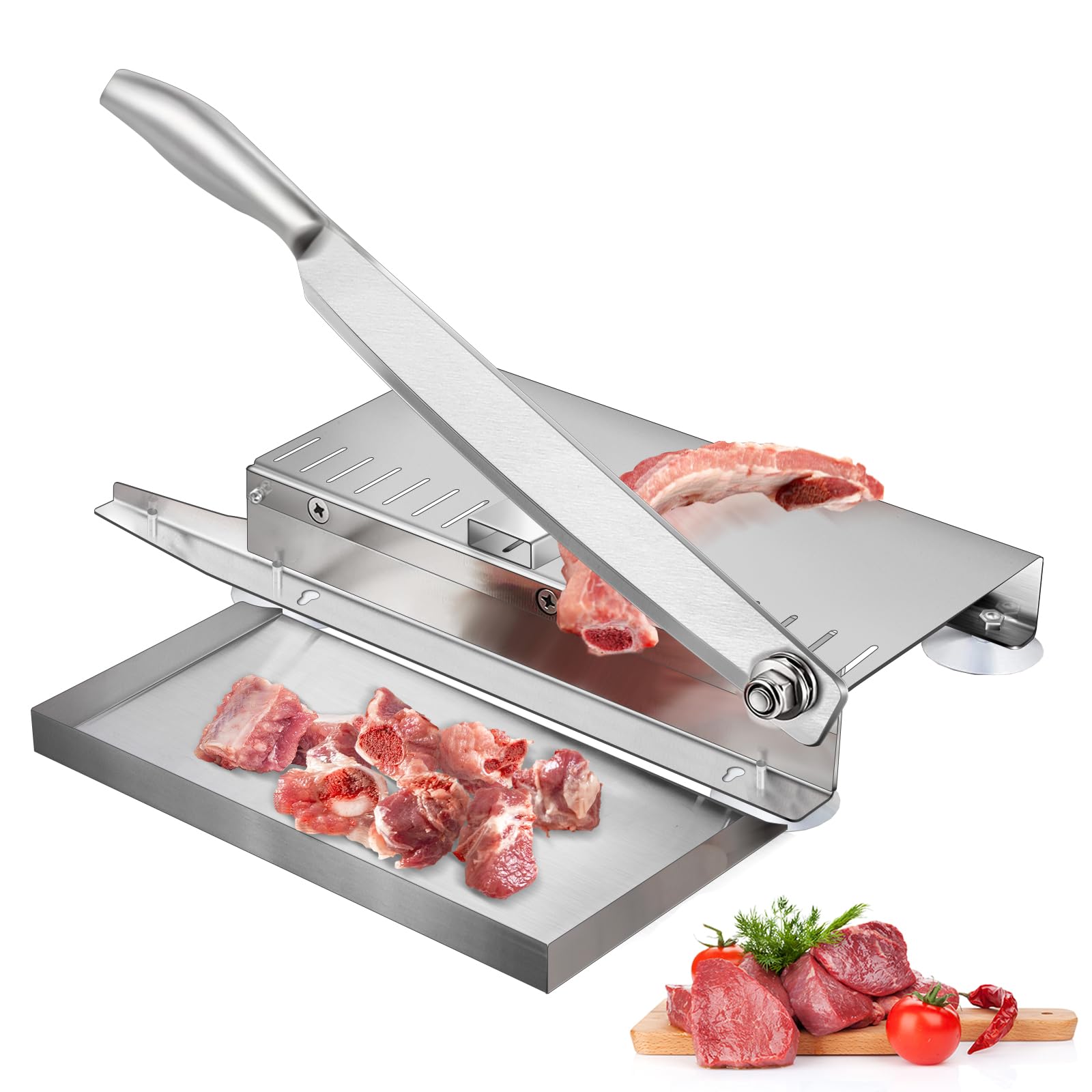
- Butcher’s Saw: Designed for bones and frozen blocks. Manual but effective.
- Heavy-Duty Chef’s Knife: A large, sharp knife can sometimes cut through smaller frozen pieces.
- Electric Carving Knife: These can handle partially frozen meat, but not solid blocks.
- Request Slices When You Buy: Ask your butcher to slice meat before freezing it.
Tips For Better Slicing Results
Here are some practical tips to make your experience smoother:
- Slice when meat is firm but not icy. This makes even slices possible without damaging the slicer.
- Sharpen your blade regularly. A sharp blade handles cold, dense meat much better.
- Freeze meat in slabs, not blocks. Flat, thin pieces are easier to thaw and slice.
- Keep the slicer clean. Moisture from thawing meat can rust the blade.
Common Mistakes People Make
Many new users damage their machines or waste food by making these mistakes:
- Trying to cut meat straight from the deep freezer.
- Using a dull or wrong type of blade.
- Forcing the meat through the slicer, which causes jams or accidents.
- Not reading the slicer’s manual.
Real-world Example: Restaurant Use
In many restaurants, meats are sliced when partially frozen. This keeps the slices neat and reduces mess from juices. High-volume kitchens often use specialty frozen meat slicers or band saws for tougher jobs. For example, a steakhouse may freeze beef, slice it thin for carpaccio, then let it thaw before serving. The right equipment keeps the process fast and safe.
Data: Slicer Performance By Meat Temperature
Here’s a look at how meat temperature affects slicer performance:
| Meat Temperature | Ease of Slicing | Slice Quality | Machine Safety |
|---|---|---|---|
| Fully Frozen (-18°C/0°F) | Very Hard | Ragged, uneven | Risk of damage |
| Partially Frozen (-5°C/23°F) | Medium | Good, even slices | Generally safe |
| Chilled (2°C/35°F) | Easy | Perfect slices | Safe |
| Room Temp (20°C/68°F) | Very Easy | Clean but may be messy | Safe |
How To Maintain Your Meat Slicer
A well-maintained slicer lasts longer and stays safer. Here’s how to keep yours in top shape:
- Clean after every use. Frozen meat can leave residue and moisture.
- Dry the blade and parts completely. This prevents rust.
- Sharpen the blade often. Some slicers have built-in sharpeners; use them.
- Check for wear and tear. Watch for cracks, loose parts, or blade damage.
- Lubricate moving parts. This keeps the carriage and blade working smoothly.
When To Replace Or Upgrade Your Slicer
If you find yourself needing to slice frozen meat often, it may be time to upgrade. Here’s when to consider a new machine:
- You slice frozen meat weekly. Invest in a specialty slicer.
- Your current slicer struggles or overheats. Don’t risk a breakdown.
- You see blade damage or poor slices. A better blade or machine is needed.
- You want to save time. A strong slicer makes prep faster.
Non-obvious Insights For Beginners
- Letting meat thaw just enough (not fully) helps you slice it thinly, which is ideal for stir-fries or sandwiches. If it’s too soft, you’ll crush the meat instead of slicing it cleanly.
- Freeze meat in single layers (not thick blocks) before slicing. This gives you more control and reduces thaw time, making slicing much easier and safer.

Credit: www.amazon.com
The Legal And Health Side: Food Safety
Cutting and handling frozen meat must be done safely to avoid foodborne illness. Always thaw meat in the fridge, not at room temperature, to reduce bacterial growth. Clean the slicer immediately to prevent cross-contamination. For more on safe meat handling, visit the USDA Food Safety and Inspection Service.
Frequently Asked Questions
Can I Use Any Meat Slicer For Frozen Meat?
No, most standard slicers are not designed for frozen meat. Only specialty or heavy-duty commercial slicers should be used, and even then, with caution.
What Is The Best Way To Slice Frozen Meat Thinly?
Partially thaw the meat until firm but not solid. Then use a sharp blade and set your slicer to your desired thickness. Never force a fully frozen block into a standard slicer.
Will Slicing Frozen Meat Damage My Slicer?
Yes, it can. Frozen meat is hard and dense, which can dull the blade, strain the motor, or break parts. Always check your slicer’s manual before trying.
How Do Butchers Slice Frozen Meat?
Butchers often use specialty machines or band saws. They may also cut meat into smaller pieces before freezing, making it easier to slice later. Most butchers do not use regular home slicers for this task.
Is It Safe To Eat Meat Sliced While Still Partially Frozen?
Yes, as long as the meat was handled and stored properly. Slicing while partially frozen can actually reduce mess and help get even slices. Just be sure to finish thawing and cook the meat properly.
Cutting frozen meat with a meat slicer is possible in some cases, but not with most home equipment. Always check your machine’s limits and follow safety guidelines. If you need to slice frozen meat often, consider investing in a specialty slicer or ask your butcher for help.
Your equipment—and your fingers—will thank you.
Credit: meat-machine.com