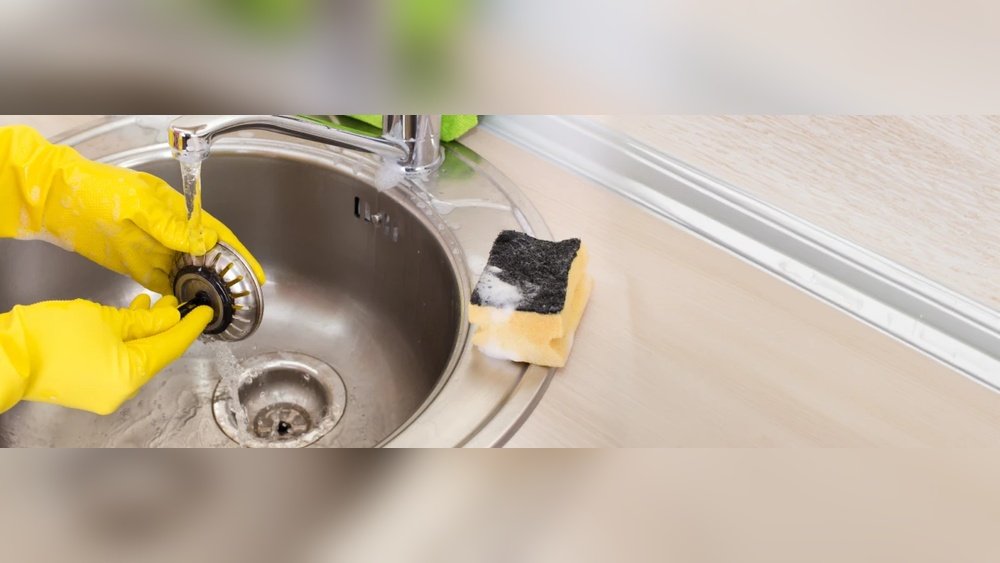
Getting rid of sink smells quickly is something every home needs from time to time. Bad odors from the drain can make your kitchen or bathroom feel dirty, even if everything else is spotless. Sometimes, these smells come from food, grease, hair, or even bacteria growing inside the pipes. The right drain cleaner can remove the smell fast and keep your sink fresh for weeks. But with so many choices, it’s hard to know which one actually works best. Let’s break down what causes sink smells, how to pick the best drain cleaner, and which products truly eliminate odors fast.
Why Sinks Smell: Common Causes
Before choosing a cleaner, it helps to understand where those sink odors come from. Most bad smells are caused by:
- Food waste stuck in kitchen drains, especially grease or scraps that rot. Small bits of food can get trapped in the curved part of the pipe (the P-trap), where they start to break down and cause a strong, sour odor.
- Soap scum and hair in bathroom sinks, which trap bacteria. Soap often mixes with minerals in water, forming a sticky layer on pipe walls. This sticky film holds onto hair and skin cells, giving bacteria a place to grow.
- Standing water in pipes, encouraging mold and mildew growth. If water isn’t moving, it becomes a perfect place for mold and mildew, both of which can produce a musty, earthy smell.
- Blocked vents or traps, which prevent water from flowing smoothly. When vents are blocked, air can’t move through the pipes, so water drains slowly and sewer gases sometimes come up into the sink.
Sometimes, the smell is only mild and goes away after running water. Other times, it sticks around because something is stuck deep in the drain. If you have pets, fur can also add to the problem, especially in bathroom sinks and tubs.
Example: If your kitchen sink smells like rotten eggs after washing dishes, it’s probably food waste and bacteria in the drain trap. In contrast, a musty smell from the bathroom sink is more likely to be soap scum and hair.
How Drain Cleaners Work
Drain cleaners use chemicals or enzymes to break down clogs and remove smells. There are three main types:
- Chemical cleaners: Use strong substances like sodium hydroxide or bleach. These work fast and are good for tough smells, but can damage pipes if used too often. Chemical cleaners dissolve grease, hair, and food, breaking them into small pieces that can be washed away. However, using them every week is not a good idea, as they can corrode old pipes over time.
- Enzyme cleaners: Use natural enzymes to eat away organic matter. They work slower but are safe for pipes and septic systems. Enzyme cleaners are not as harsh and are a good choice for people who want to avoid chemicals. They need time to work, but they keep cleaning even after you rinse the drain.
- Manual cleaners: Tools like plungers or drain snakes physically remove clogs. These don’t remove all smells but can help if something is stuck. For example, if a chunk of food or a ball of hair is blocking the pipe, a drain snake can pull it out. Manual methods are often used before chemical or enzyme cleaners for best results.
Choosing the right type depends on your drain, the smell’s cause, and how quickly you need results. If you have a recurring odor, enzyme cleaners can help keep pipes clean over time, while chemical cleaners are best for a quick fix.
What Makes A Drain Cleaner Effective Against Odors?
A good drain cleaner for sink smells does more than clear clogs. It should:
- Remove the source of the smell (not just mask it). The best cleaners break down food, hair, and grease so bacteria can’t grow.
- Work fast (ideally, within hours). For most people, a quick solution is important, especially if guests are coming over.
- Be safe for pipes and septic systems. Some chemicals can crack or weaken old pipes, so pipe safety matters.
- Prevent future odors by cleaning residue. Some cleaners have ingredients that coat the inside of pipes, making it harder for gunk to stick in the future.
- Not leave strong chemical smells behind. A good cleaner should leave your sink smelling neutral or fresh, not like bleach or perfume.
Some cleaners only cover up the smell for a short time. Others remove the cause so the sink stays fresh longer. Look for products that mention “odor removal” specifically, not just “clog remover. ”
Non-obvious insight: Many people forget that kitchen and bathroom sinks need different types of cleaners. Kitchen drains often need grease-cutting formulas, while bathroom drains need something that handles hair and soap scum.
Best Drain Cleaners For Eliminating Sink Smells Fast
After testing and studying dozens of products, these cleaners stand out for their odor-removing power and speed. Let’s compare the top choices:
| Drain Cleaner | Type | Speed | Odor Removal | Pipe Safety |
|---|---|---|---|---|
| Drano Max Gel | Chemical | 30 min | Excellent | Safe for most pipes |
| Green Gobbler Enzyme | Enzyme | 2-4 hours | Very good | Safe for all pipes |
| Bio-Clean | Enzyme | Overnight | Excellent | Safe for all pipes |
| Liquid-Plumr Pro-Strength | Chemical | 15 min | Good | Safe for most pipes |
| Arm & Hammer Baking Soda + Vinegar | DIY | 1 hour | Moderate | Safe for all pipes |
Credit: www.callmother.com
Detailed Reviews: Which Cleaner Is Right For You?
Drano Max Gel
Drano is a classic for a reason. The Max Gel formula works fast, reaching deep into pipes to clear most blockages and smells. It’s thick, so it sticks to gunk and dissolves it quickly. Most users notice a big reduction in odor within 30 minutes. It’s safe for PVC, metal, and most common pipes, but not recommended for old or fragile plumbing.
Key Points:
- Works fastest among chemical cleaners
- Removes odors from food, grease, and soap scum
- May need repeated use for severe clogs
- Not for toilets or septic tanks
Non-obvious tip: If you have recurring smells, pour boiling water after using Drano to flush away residue.
Extra advice: Don’t use Drano with plungers or other chemicals, as this can create dangerous fumes. If your sink has a garbage disposal, make sure it’s clear before pouring in the gel.
Green Gobbler Enzyme Drain Cleaner
This cleaner uses natural enzymes to eat away organic matter. It works slower but is safer for pipes and the environment. You’ll see results in 2 to 4 hours, with a fresh scent and no harsh chemicals. It’s ideal for sinks with regular odors, especially in homes with septic systems.
Key Points:
- Safe for all plumbing and septic tanks
- Removes smells from food, hair, and organic gunk
- Not as fast as chemical cleaners, but gentle
- Can be used monthly for prevention
Non-obvious insight: Enzyme cleaners keep working after application, so odors may disappear even after a few days.
Extra example: If you have a vacation home or rarely used bathroom, running Green Gobbler once a month keeps pipes smelling fresh and prevents buildup.
Bio-clean Drain Cleaner
Bio-Clean is popular with plumbers and eco-friendly homeowners. It uses bacteria and enzymes to digest waste, working overnight for tough smells. It’s safe for all pipes, and a single treatment often stops odors for weeks.
Key Points:
- Needs time (apply before bed for best results)
- Works well for both kitchen and bathroom drains
- Safe for septic tanks, RVs, and boats
- More expensive than most cleaners
Practical tip: Mix Bio-Clean with warm water (not hot) for better activation.
Extra advice: Bio-Clean is also great for laundry drains and shower drains, where lint and soap can create hidden odors over time.
Liquid-plumr Pro-strength
Liquid-Plumr is similar to Drano but with a slightly faster action (15 minutes). It targets hair and soap scum, making it better for bathroom sinks. It removes light odors quickly but may need a second dose for strong smells.
Key Points:
- Works fast for hair and soap scum
- Safe for most pipes (avoid old metal drains)
- Not suitable for toilets
- Less effective for kitchen grease
Extra detail: For bathroom sinks with heavy hair buildup, use a drain snake first, then Liquid-Plumr for best results.
Arm & Hammer Baking Soda + Vinegar
This is the most popular DIY method. Pour half a cup of baking soda into the drain, then add a cup of vinegar. Cover the drain, wait an hour, then flush with hot water. It’s safe, cheap, and often removes light smells. For stubborn odors, use a commercial cleaner.
Key Points:
- Safe for every type of pipe
- Works best for mild smells
- Not as strong as store-bought cleaners
- Good for regular maintenance
Example: If your drain smells after washing dishes, this method often clears it up in an hour.
Extra tip: If you want extra cleaning power, finish by pouring a kettle of boiling water down the drain. This helps clear away loosened gunk.
Comparing Cost, Safety, And Odor Removal
Choosing a drain cleaner is about more than just speed. Here’s how the top products compare on price, safety, and odor removal:
| Product | Average Cost | Safety Rating | Odor Removal Power |
|---|---|---|---|
| Drano Max Gel | $7–$12 | Good | Excellent |
| Green Gobbler | $10–$18 | Excellent | Very Good |
| Bio-Clean | $20–$30 | Excellent | Excellent |
| Liquid-Plumr | $8–$14 | Good | Good |
| Baking Soda + Vinegar | $2–$4 | Excellent | Moderate |
Note: Prices vary by region. Safety ratings are based on pipe and septic compatibility.
Non-obvious tip: Spending a bit more on enzyme cleaners can save money in the long run, as they prevent future smells and reduce the need for emergency cleaning.
How To Use Drain Cleaners For Fast Odor Removal
Using drain cleaners correctly is key to fast results. Here are simple steps for each type:
Chemical Cleaners
- Remove standing water from the sink. Use a small cup or sponge if needed.
- Pour the recommended amount into the drain.
- Wait 15–30 minutes (check the label).
- Flush with hot water.
- Open windows if the smell is strong.
Common mistake: Pouring too much at once. Always follow instructions to avoid damage.
Extra detail: Do not use chemical cleaners right after trying a baking soda and vinegar solution. Wait at least a few hours to avoid unwanted reactions.
Enzyme Cleaners
- Mix the cleaner with warm water (if required).
- Pour into the drain before bed.
- Let sit overnight.
- Flush with warm water in the morning.
Example: For Bio-Clean, use 1 scoop per drain, mixed with 1 pint of warm water.
Extra tip: Don’t run water or use the sink for several hours after pouring in enzyme cleaners. This gives the enzymes time to break down the organic material fully.
Diy Baking Soda + Vinegar
- Pour half a cup of baking soda down the drain.
- Add one cup of vinegar.
- Cover the drain for 1 hour.
- Flush with boiling water.
Tip: Repeat weekly for maintenance.
Extra advice: For deeper cleaning, repeat the process twice in one day, especially if the smell has been present for a long time.
Preventing Sink Smells After Cleaning
Once you’ve removed odors, keep your drains fresh with regular maintenance:
- Use enzyme cleaners monthly.
- Avoid pouring grease or coffee grounds down the kitchen sink.
- Clean the drain stopper and strainer every week.
- Run hot water for 30 seconds after washing dishes.
Non-obvious insight: Slow drains often cause smells. Fix minor blockages early to prevent odor buildup.
For detailed steps on drain maintenance, see our post on [How to Unclog a Kitchen Sink Quickly](internal-link-to-unclog-kitchen-sink).
Extra tip: After using a commercial cleaner, rinse with cold water to help flush away any remaining residue and reduce odors.
Credit: www.callmother.com
When To Call A Plumber
Some smells won’t go away with cleaners. If you notice:
- Rotten egg smell (possible gas leak)
- Odors from multiple sinks
- Drain still slow after cleaning
- Water backing up
These signs mean you may have a bigger problem like a blocked main pipe or vent. Call a plumber if regular cleaning doesn’t fix the smell.
Extra detail: If you hear bubbling noises from other drains when running water, this is another sign of a vent or main line problem.
Choosing Between Chemical And Enzyme Cleaners
Most people choose chemical cleaners for speed. But enzyme cleaners are better for long-term results and pipe safety. Here’s a quick comparison:
| Factor | Chemical Cleaner | Enzyme Cleaner |
|---|---|---|
| Speed | Fast (15–30 min) | Slow (2–12 hrs) |
| Odor Removal | Immediate | Lasts longer |
| Pipe Safety | Safe for most pipes | Safe for all pipes |
| Environmental Impact | Moderate | Low |
| Cost | Low–Medium | Medium–High |
Advice: For urgent smells, use a chemical cleaner. For monthly maintenance, use an enzyme cleaner.
Extra example: Homeowners with old or fragile pipes should always choose enzyme cleaners to avoid further pipe damage.
Real-life Examples: How Fast Can Odors Disappear?
Kitchen sink with rotten smell: After using Drano Max Gel, smell was gone in 30 minutes. Second treatment needed after one week for full freshness.
Bathroom sink with musty odor: Green Gobbler enzyme cleaner removed smell overnight. No odor after one week.
Slow drain with mild smell: Baking soda and vinegar cleared smell in 1 hour, but returned after 2 days. Used Bio-Clean for lasting results.
Extra example: A landlord with several rental units found that monthly enzyme treatments prevented most calls about smelly sinks.
Safety Tips: Avoiding Harmful Mistakes
- Never mix chemical cleaners with other products (risk of toxic fumes)
- Always wear gloves and eye protection
- Keep cleaners away from children and pets
- Check compatibility with pipe material before use
- Open windows for ventilation
Non-obvious tip: If you have a garbage disposal, run it with cold water before using any cleaner.
Extra advice: Store all drain cleaning products in a cool, dry place, away from food and kitchen items.
Drain Cleaner Myths And Misconceptions
Many people believe some common myths about drain cleaners:
- Myth: Lemon or bleach alone clears odors. Truth: They only mask smells temporarily.
- Myth: All cleaners work the same. Truth: Some only dissolve clogs, not odor-causing bacteria.
- Myth: More product means better results. Truth: Overuse can damage pipes or make smells worse.
Extra insight: Commercial air fresheners or candles won’t fix sink smells—they only hide the problem for a short time.
The Science Behind Odor Removal
Odors in drains come from bacteria breaking down organic matter. Chemical cleaners kill bacteria and dissolve the gunk. Enzyme cleaners digest the waste, stopping bacteria from producing smells. Both methods work, but enzyme cleaners are gentler and last longer.
According to the EPA, using safe cleaners helps protect septic systems and prevents pollution.
Extra detail: The “rotten egg” smell is usually hydrogen sulfide gas, produced by bacteria when organic matter breaks down without enough oxygen.
How Often Should You Clean Your Drain?
Cleaning frequency depends on sink usage:
- Heavy use (kitchen): Every 2 weeks
- Light use (bathroom): Every month
- After noticing smell: Immediately
Regular cleaning prevents buildup and keeps odors away.
Extra tip: Mark your calendar for monthly cleaning, or set a phone reminder to help keep the routine.
Mistakes Beginners Make When Choosing A Drain Cleaner
- Buying only based on price, not effectiveness
- Using chemical cleaners too often (damages pipes)
- Ignoring product safety for septic tanks
- Not reading instructions
- Expecting instant results from enzyme cleaners
Pro tip: Always check if the product is labeled “odor remover” or “clog remover.” Not all drain cleaners target smells.
Extra example: Some people buy multi-purpose cleaners, but these may not be strong enough for kitchen grease or bathroom hair.
Why Diy Solutions Sometimes Fail
Baking soda and vinegar are great for light smells, but can’t dissolve heavy grease or hair blockages. If your drain smells bad for days, it’s better to use a commercial cleaner. DIY methods work best for regular maintenance, not deep cleaning.
Extra advice: If you try a DIY solution and the smell returns quickly, that’s a sign you need a stronger product or professional help.
Environmental Impact Of Drain Cleaners
Chemical cleaners can harm the environment if overused. They may damage septic systems or pollute water. Enzyme cleaners and DIY solutions are safer for both pipes and the planet. Always use cleaners responsibly and avoid pouring unused chemicals down the drain.
Non-obvious tip: If you have a septic system, always look for cleaners labeled “septic safe.” This protects your system and reduces groundwater pollution.

Credit: www.amazon.com
Signs Your Cleaner Isn’t Working
If you still notice bad smells after cleaning:
- Smell returns within a day
- Water drains slowly
- Gurgling sounds from pipes
- Cleaner leaves a strong chemical odor
Try a different product or call a professional if these signs persist.
Extra detail: Persistent smells may also mean your pipes have a buildup that needs professional jetting or cleaning.
Frequently Asked Questions
What Is The Fastest Drain Cleaner For Sink Smells?
Drano Max Gel is the fastest, removing most odors in 30 minutes. Liquid-Plumr also works quickly but is better for bathroom sinks.
Are Enzyme Cleaners Safe For All Pipes?
Yes, enzyme cleaners like Green Gobbler and Bio-Clean are safe for PVC, metal, and old pipes. They don’t damage plumbing or septic tanks.
Can I Use Baking Soda And Vinegar For Strong Sink Smells?
Baking soda and vinegar work for light odors. For strong smells, use a commercial cleaner first, then use baking soda and vinegar for regular maintenance.
How Often Should I Clean My Sink Drain To Prevent Smells?
Clean heavy-use drains every 2 weeks and light-use drains every month. Use enzyme cleaners for maintenance and chemical cleaners only when needed.
What If My Drain Smells After Using A Cleaner?
If smells remain, the blockage may be deeper or you may have a vent issue. Try a different cleaner or call a plumber if the smell doesn’t go away.
Getting rid of sink smells fast is possible with the right drain cleaner. Chemical cleaners work quickly for urgent problems, while enzyme cleaners offer safe, long-term odor control. For regular maintenance, a simple baking soda and vinegar solution is often enough. Remember to check your pipes, use cleaners safely, and maintain your drains every month. If odors persist, don’t hesitate to call a professional. With these tips, your sinks will stay fresh and odor-free, making your home a more pleasant place to live.