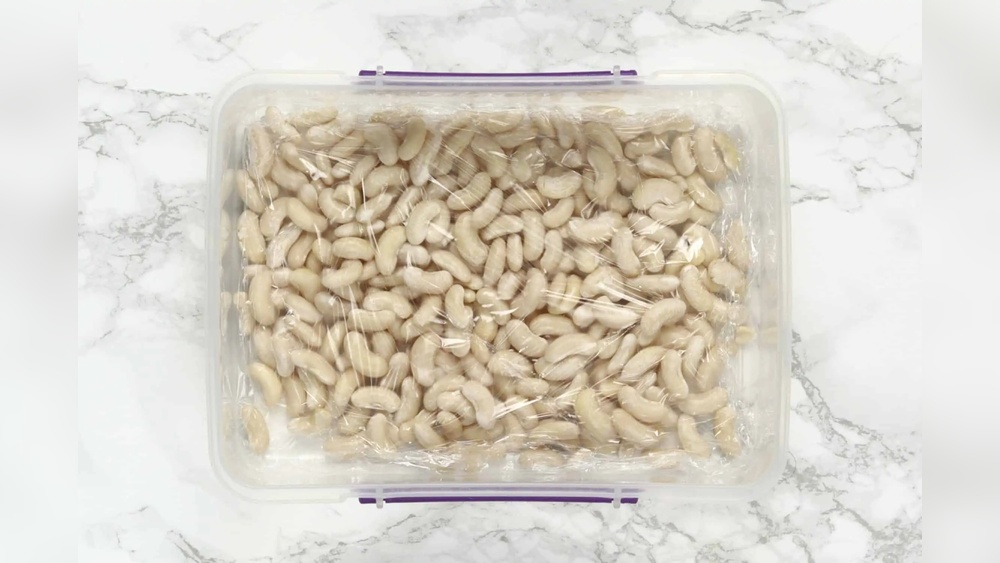
Soaking beans is a simple step that can make a big difference in your kitchen. When you soak beans, they cook faster, taste better, and are easier to digest. But after soaking, many people wonder what to do next. If you store soaked beans the wrong way, they can spoil, smell bad, or even become unsafe to eat.
Knowing how to store soaked beans properly saves you time, reduces food waste, and helps you enjoy healthy meals without stress.
In this guide, you will learn the best methods for storing soaked beans, whether you plan to use them soon or save them for later. You’ll discover how to keep beans fresh in the fridge, freeze them for months, and avoid common mistakes that lead to waste.
Along the way, you’ll find helpful tips that even experienced cooks sometimes miss. By the end, you’ll feel confident handling soaked beans in any situation.
Why Soak Beans?
Beans are packed with nutrients like protein, fiber, and vitamins. However, most dried beans contain substances that make them hard to digest. Soaking helps remove some of these, making beans softer, easier on the stomach, and faster to cook. In some cultures, soaking is essential for traditional recipes. There are two main soaking methods:
- Overnight soak: Beans are covered with water and left for 8–12 hours.
- Quick soak: Beans are boiled for a few minutes, then left to sit for one hour.
Both methods are effective, but overnight soaking is more common. Once beans are soaked, it’s important to store them correctly if you’re not cooking them right away.
The Science Behind Bean Spoilage
Soaked beans can spoil quickly if not handled properly. When beans sit in water at room temperature, bacteria and mold can grow. This can happen in as little as 12 hours, especially in warm weather. Spoiled beans can smell sour, feel slimy, or develop bubbles in the soaking water.
Key factors in spoilage:
- Temperature: Warm temperatures speed up bacteria growth.
- Time: The longer beans sit, the higher the risk.
- Moisture: Beans must be drained and stored properly.
Understanding these points helps you avoid foodborne illness and wasted ingredients.
How Long Can You Store Soaked Beans?
The shelf life of soaked beans depends on storage method and temperature. Here’s a quick comparison:
| Storage Method | Temperature | Safe Storage Time |
|---|---|---|
| Room Temperature | 20–25°C (68–77°F) | Up to 12 hours |
| Refrigerator | 4°C (40°F) or below | 3–5 days |
| Freezer | −18°C (0°F) or below | Up to 6 months |
For safety, always use your senses: If beans smell off or feel slimy, throw them away.
Step-by-step: How To Store Soaked Beans In The Refrigerator
If you plan to cook your beans within a few days, the refrigerator is the best choice. Here’s how to do it right:
- Drain the beans: After soaking, pour out the soaking water. Beans left in water spoil faster and can develop off-flavors.
- Rinse well: Rinse the beans under cold running water. This removes any leftover sugars that can cause gas.
- Dry slightly: Shake off excess water. You don’t need to dry completely, but less moisture means longer storage.
- Choose a container: Use a clean, airtight container. Glass jars, plastic containers, or resealable bags all work.
- Label and date: Write the date on the container. Soaked beans look similar to cooked beans, so labeling prevents confusion.
- Store in the fridge: Place beans in the coldest part, usually the back. Keep them away from raw meat or strong-smelling foods.
Practical Example
Let’s say you soaked two cups of black beans for tomorrow’s chili. Drain, rinse, and store them in a glass jar with a lid. Write “Black beans, soaked, June 12” on a piece of tape. Place the jar in the fridge. Use within 3 days for best quality.
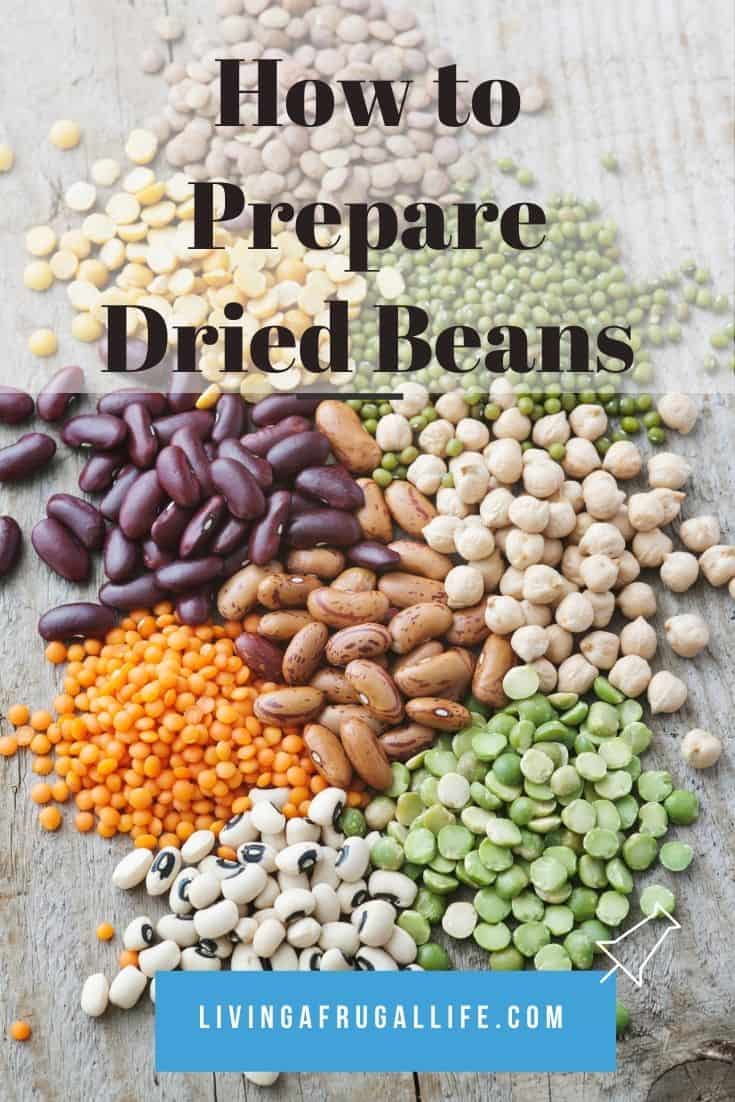
Credit: www.livingafrugallife.com
Freezing Soaked Beans For Longer Storage
If you soaked more beans than you need, freezing is a smart option. Freezing stops bacteria growth and keeps beans fresh for months. Here’s how:
- Drain and rinse: As with the fridge method, start by draining and rinsing the beans.
- Pat dry: Use a clean kitchen towel or paper towel to blot away extra moisture. This prevents ice crystals.
- Portion the beans: Measure beans into portions you’ll use later (e.g., 1 or 2 cups).
- Use freezer-safe containers: Choose heavy-duty freezer bags or containers with tight lids. Squeeze out as much air as possible to prevent freezer burn.
- Label clearly: Write the bean type and date. For example, “Kidney beans, soaked, June 12.”
- Freeze quickly: Place beans flat in the freezer so they freeze evenly.
Thawing And Using Frozen Beans
To use frozen soaked beans, move them to the fridge the night before. Or, place the bag in a bowl of cold water for a faster thaw. Once thawed, cook as usual. Do not refreeze thawed beans, as this reduces quality.
Should You Store Beans In Soaking Water?
A common mistake is storing beans in the same water used for soaking. While it’s convenient, it’s not the best practice. The soaking water contains substances removed from the beans, like oligosaccharides (which can cause gas) and some dirt or debris. If you store beans in this water, they can develop an unpleasant taste and spoil faster.
Best practice: Always drain and rinse soaked beans before storage. If you need to keep them wet, cover them with fresh, clean water and store in the fridge, changing the water daily. But for most people, draining and storing beans without water works better.
What Containers Are Best For Storing Soaked Beans?
Choosing the right container helps keep beans fresh and safe. Here’s a comparison of popular options:
| Container Type | Pros | Cons |
|---|---|---|
| Glass Jar with Lid | Non-reactive, keeps odors out, eco-friendly | Heavy, can break |
| Plastic Container (BPA-free) | Lightweight, stackable, affordable | Can stain, may absorb odors |
| Freezer Bag | Space-saving, good for freezing, easy to label | Single-use plastic, can puncture |
| Stainless Steel Box | Durable, non-toxic, no odor | More expensive, not see-through |
Tip: For best results, use a container that seals well and is easy to clean.
Signs Your Soaked Beans Have Gone Bad
Even with good storage, beans sometimes spoil. Watch for these signs:
- Sour smell: Beans should smell neutral. Any sour, rotten, or musty smell means spoilage.
- Slimy texture: Fresh beans are firm and smooth. If they feel slimy or sticky, throw them out.
- Mold: White, blue, or green spots are a clear sign to discard the beans.
- Bubbles in water: If stored with water, bubbles mean fermentation or bacteria growth.
Never taste beans if you suspect spoilage. Eating spoiled beans can make you sick.
How To Use Soaked Beans For Cooking
Storing soaked beans correctly makes cooking faster and easier. When ready to cook, rinse beans again and use them as you would in any recipe. Soaked beans cook in about half the time of dried beans. For example, black beans take 45–60 minutes from dry, but only 20–30 minutes when soaked.
Popular uses: Chili, soups, stews, salads, dips, and rice dishes.
Chef’s tip: Salt beans during the last part of cooking. Adding salt too early can make the skins tough.
Mistakes To Avoid When Storing Soaked Beans
Many home cooks make small errors that cause beans to spoil or lose quality. Here are mistakes to watch out for:
- Leaving beans in soaking water too long: Beyond 12 hours at room temperature, bacteria grow rapidly.
- Forgetting to rinse: Skipping the rinse step leaves behind unwanted substances.
- Using the wrong container: Open bowls or loose lids let in air and bacteria.
- Storing with strong-smelling foods: Beans can absorb odors from onions, garlic, or raw meat.
- Ignoring the date: It’s easy to lose track of how long beans have been stored. Always label containers.
Can You Store Soaked Beans At Room Temperature?
Room temperature is not safe for storing soaked beans for more than a few hours. Even in cool kitchens, bacteria multiply quickly. If you must leave beans out, limit it to 8–12 hours, and always check for signs of spoilage before use.
In hot climates or summer months, always refrigerate soaked beans.
Batch Soaking: Saving Time And Reducing Waste
Many people like to soak large amounts of beans at once. This saves time and energy, but it’s important to plan for storage.
- Portion soaked beans: Divide into meal-sized portions before storing.
- Freeze extras: Only refrigerate what you’ll use in 3–5 days; freeze the rest.
- Label everything: Different beans can look similar when soaked.
Batch soaking is especially useful for meal prep, busy families, or anyone who cooks from scratch often.
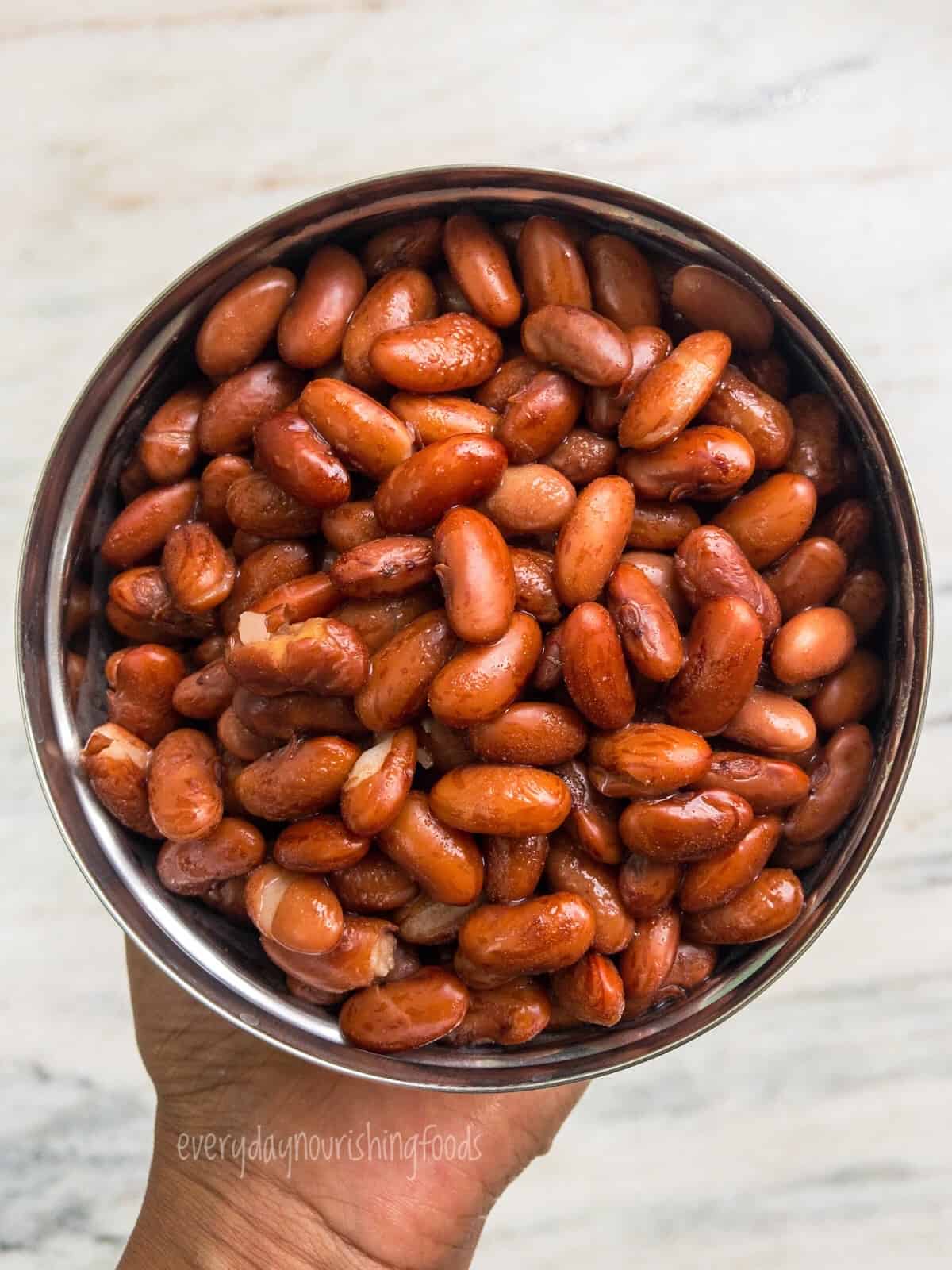
Credit: everydaynourishingfoods.com
How To Store Cooked Beans Vs. Soaked Beans
It’s easy to confuse the two, but cooked beans and soaked beans need different storage.
- Soaked beans: Still raw, softer than dry beans, should be cooked soon.
- Cooked beans: Fully cooked, ready to eat or use in recipes.
Storage times:
- Soaked beans: 3–5 days in fridge, up to 6 months frozen.
- Cooked beans: 4–7 days in fridge, up to 6 months frozen.
Always label containers to avoid mixing them up.
How To Store Different Types Of Beans
Most beans, like black, kidney, pinto, and navy, can all be stored using the same methods. However, some beans—such as fava beans or mung beans—may soften faster or have a stronger smell after soaking. Always check for signs of spoilage with these varieties.
Tip: Lentils and split peas don’t need soaking, but if you do soak them, store the same way as beans.

Credit: www.youtube.com
Advanced Tips For Storing Soaked Beans
Here are tips that can make storage even more effective:
- Add a little vinegar: A splash of vinegar in soaking water (if storing for 1–2 days) can slow bacteria growth.
- Vacuum sealing: For long freezer storage, vacuum-sealed bags prevent freezer burn best.
- Double-bag for freezing: This prevents leaks and extra air.
- Keep a bean log: Write down what beans you have and when you soaked them, to avoid waste.
- Use boiled water for soaking: This can reduce bacteria in the initial soak.
Nutritional Benefits Of Proper Storage
Storing soaked beans well means you keep more protein, fiber, and minerals. Spoiled beans lose nutrients, while fresh beans keep all their health benefits. If you eat beans often, good storage is a simple way to support a healthy diet.
Environmental Impact Of Proper Storage
Wasting beans means wasting water, land, and energy. Each cup of dried beans takes about 300 liters of water to grow. By learning how to store soaked beans, you reduce food waste and help protect the environment. Freezing extra beans is especially efficient, as it saves both food and your time.
The Role Of Beans In Meal Prep
Many busy people soak beans on weekends for use throughout the week. Proper storage makes it easy to add beans to salads, tacos, or soups at a moment’s notice. If you plan meals in advance, soaking and storing beans is a smart kitchen habit.
Common Questions About Soaked Beans
Many people have similar worries about storing beans. Here are answers to the most frequent ones:
Frequently Asked Questions
How Can I Tell If Soaked Beans Have Spoiled?
Look for sour smells, slimy surfaces, or any mold. If beans look, smell, or feel strange, throw them away. Never taste beans that might be spoiled.
Can I Soak Beans For More Than 24 Hours?
It’s not recommended. Soaking longer than 24 hours, even in the fridge, can cause beans to ferment or sprout. For best results, keep soaking time under 12 hours at room temperature, or up to 24 hours in the fridge.
Is It Safe To Freeze Soaked Beans Without Cooking Them First?
Yes. Freezing soaked, uncooked beans is safe and keeps them fresh for months. Drain and dry beans before freezing. Thaw before cooking, and cook as you normally would.
Can I Store Soaked Beans In A Metal Container?
Stainless steel containers are safe and non-reactive. Avoid storing beans in containers made of aluminum or other metals that can react with moisture or acids.
Do I Need To Change The Soaking Water Before Storing Beans?
Yes, always drain and rinse beans after soaking. This removes substances that can cause gas or off-flavors. For longer fridge storage (more than 1 day), if you keep beans in water, change the water daily.
For more detailed information about food safety and beans, you can visit the USDA Food Safety and Inspection Service.
Storing soaked beans the right way is a simple skill that delivers big benefits: fresher meals, less waste, and more confidence in your kitchen. With these tips, you’ll never let a batch of beans go bad again.